

























































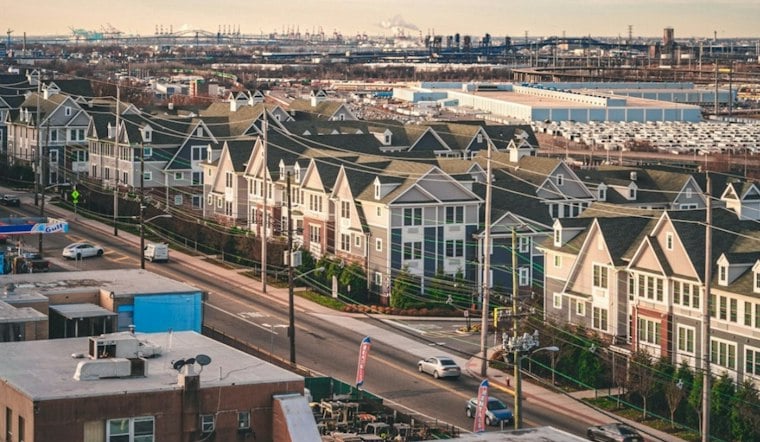
Woodland Park's Planning Board voted unanimously to approve a 400-townhouse development called The Canopy on the former Bank of New York corporate campus, clearing the way for 80 affordable homes alongside 320 market-rate units at 385 Rifle Camp Road near Tower Drive. The vote capped a review that stretched across three public meetings this year, and board members and residents alike weighed in before the final gavel came down.
The project, proposed by Pulte Homes of New Jersey in partnership with property owner Prism, would rise on roughly 33 acres where two vacant corporate office buildings once stood, according to TAPinto. Those office buildings have already been demolished to make way for construction. Prism had acquired the 33-acre former corporate campus with zoning already in place allowing up to 400 residential units, according to a 2024 report from Real Estate NJ, which also reported that the terms of that sale were not disclosed. At the time, Prism principal partner Edwin Cohen said the redevelopment would provide Passaic County with a significant number of new residences, including what he called a generous affordable-housing component.
The site's zoning called for a 20 percent affordable-housing set-aside, the outlet's reporting noted, a figure that lines up with the 80 affordable homes now built into the approved plan alongside 320 market-rate townhouses. Those affordable units will be available for purchase rather than rent, and they'll remain subject to affordability restrictions even after they're sold, with short-term rentals barred entirely at The Canopy. Frank Vitolo, representing the applicant, told the board the project is the most important one in Woodland Park for meeting its affordable-housing compliance obligations.
Why the Numbers Matter for Woodland Park's Housing Mandate
The affordable units at The Canopy are expected to contribute 31 prior-round credits, 19 third-round realistic development credits, 21 fourth-round realistic development credits and 9 fourth-round unmet-need credits toward Woodland Park's state housing obligations. The borough's fourth-round obligation has been reported as 240 units, with a vacant-land adjustment analysis putting realistic development potential at 27, though those particular figures come from a weaker search-result snippet and warrant confirmation against the borough's adopted Housing Element and Fair Share Plan. Woodland Park's own municipal code, under Chapter 34 on affordable housing, applies to units created under the borough's most recently adopted Housing Element and Fair Share Plan and requires that projects financed with federal low-income housing tax credits keep affordability controls in place for at least 45 years total, covering a 30-year compliance period and a 15-year extended-use period.
Jim Mullen, testifying for Pulte, told the board that affordable and market-rate townhouses would be constructed at the same time rather than in separate phases, and that all residents would have access to the same shared amenities. Those amenities include a clubhouse, swimming pool and playground, along with internal roads, sidewalks, crosswalks, landscaping, lighting, EV charging infrastructure and stormwater drainage systems built into the site. The Canopy will use a stacked-townhouse design the applicant said is intended to appeal to a range of buyers, and affordable units will have their own dedicated surface parking near the homes.
Parking, Variances and Infrastructure Conditions
The development will include 840 total parking spaces, among them 200 guest spots, 30 electric-vehicle spaces and 9 ADA-compliant spaces. The Canopy's buildings are set to cover approximately 15 percent of the property, well under the 40 percent building coverage Woodland Park zoning permits. The developer originally sought 21 variances, but the board pushed back on one involving proposed landscaping height and had it removed; board professional Sam Yodice confirmed that none of the remaining variances would increase the number of residential units the zoning allows.
Approval came with a long list of conditions tied to infrastructure, drainage, landscaping and ongoing maintenance. Pulte must pay for required sanitary sewer upgrades serving the McBride pump station, clean out an existing 36-inch drainage pipe, and install two water booster pumps along with a generator for the clubhouse. The developer is also required to address stormwater management and flood control, including drainage that affects a nearby tributary, and to install passive radon systems in the homes. A homeowners' association will take over maintenance of the booster pumps, stormwater detention basins and tributary areas, while a condominium association and property management company will oversee the broader community and its shared amenities going forward.
The board also required revised landscaping along the eastern edge of the property, replacement of any landscaping damaged by snow removal, and earth-toned retaining walls. Homeowners will be required to use garages for vehicle storage rather than converting them into living space, and they won't be allowed to store snow in designated parking spots. Vitolo testified that some of the approved variances were aimed at preserving existing wooded areas on the site rather than requiring new plantings elsewhere.
Residents Pressed on Traffic, Flooding and Tax Impact
The Planning Board reviewed the proposal across meetings on August 3, September 14 and the final vote on September 30, giving residents multiple chances to weigh in. Concerns raised during that process touched on traffic, road safety, flooding, stormwater, local schools, bus transportation and the project's rental restrictions. Resident Maryanne Hellrigel pressed for details on construction's environmental impacts and phasing, though developer representatives did not directly address her questions about blasting.
Marcos Sanchez, who lives on Rifle Camp Road, asked whether the development could drive up property taxes in the area. The developer is required to provide the borough with a projected number of school-age children expected to live in the development as part of its application conditions. Vitolo told the board the developer met with nearby property owners at the American Legion earlier this year and participated in two technical review committee meetings with planning board staff, revising the plans along the way to address comments from borough professionals.
Construction is expected to begin in the second quarter of 2027 if the remaining approvals come through, according to Mullen's testimony, though the actual schedule will depend partly on how townhouse sales go. Completed homes will be added to Woodland Park's tax rolls as they're built out rather than all at once. Pulte still needs to secure additional local, county and state permits before breaking ground. Before the board's vote, Mayor Tracy Kallert thanked residents, board members and professionals for their work on the application, calling the review process thorough.




