

























































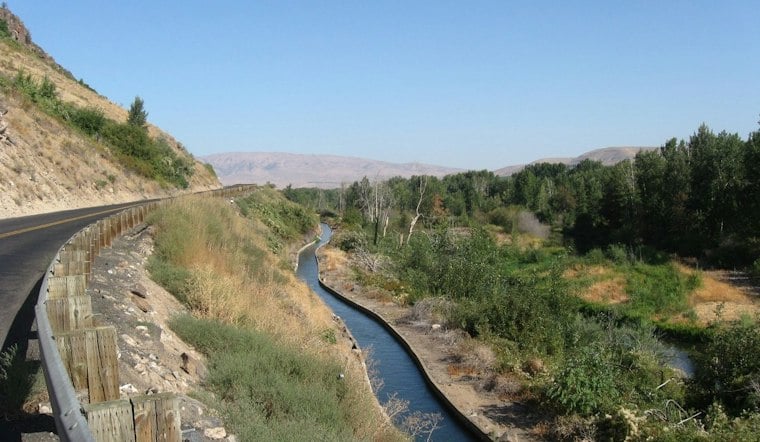
A 2.5-mile stretch of the Roza Irrigation District's main canal southeast of Moxee is getting a $5 million overhaul, aimed at stopping a water leak that traces back to storm-tossed boulders that cracked the concrete in the early 1970s. The district estimates the rebuild will conserve 4,400 acre-feet of water once finished, water that has for decades been seeping into the ground instead of reaching farms.
Workers are tearing out the original 4-inch layer of concrete lining the canal before installing a rock drain, a high-density polyethylene liner, and a fresh 6-inch layer of concrete, according to Capital Press. The Washington Department of Ecology funded the project with a $5 million grant, and Interwest Construction Inc. is the contractor carrying out the work.
Roza is part of the federal Yakima Project, built to deliver Yakima River water to farms; the district’s first lands received irrigation water in 1941. The Bureau of Reclamation operated the system for the district until 1960, then transferred most operations to Roza in 1961 while retaining control of Roza Dam, its power plant and the canal’s upper 11 miles, the district’s history records.
A Leak Decades in the Making
The damaged concrete has been a problem since storm-tossed boulders battered the canal in the early 1970s, and the district has spent years chasing the source of the leak. Roza's own project materials note that sections of the concrete-lined main canal have been losing large flows of water through the lining-drain system, and that portions of the canal floor have not lasted as long as the district expected, prompting an effort to pin down why, per the district's website.
Roza Irrigation District general manager Scott Revell said the segment will be the canal's best once the work wraps up. “It's the biggest construction we have ever done on the main canal,” he said, according to the same report.
Serving Thousands of Acres of Orchards and Hop Fields
The Sunnyside-based district serves 72,500 acres across the Yakima Valley, irrigating high-value crops including apples, cherries, grapes and hops. That water comes from the Bureau of Reclamation, which has rationed water to the district for the past four summers because of drought, the report notes.
The basin’s water shortages are managed through a system shaped by both water rights and river needs. Washington follows a “first in time, first in right” rule, and the Yakima Basin’s 40-year adjudication established the priority of surface-water rights. The Bureau of Reclamation prorates supplies when its seasonal forecast shows water will not meet both irrigation entitlements and instream-flow requirements, the state Department of Ecology explains.
Revell said the canal repairs will help the district stretch its water supplies and, in some years, leave more water for fish. The current project covers just a fraction of the canal's full length, which the report describes as 98 miles, though an earlier 2016 Capital Press report put the canal's length at 95 miles running from Roza Dam, north of Selah, to Benton City.
Roza’s repair is part of a broader effort to conserve water in the Yakima Project. For a separate project serving Sunnyside Valley Irrigation District, the Bureau of Reclamation selected a plan to pipe about 51 miles of canals serving 11,297 irrigated acres. The project’s stated aims include reducing diversions from the Yakima River and leaving more water in the river for fish, Reclamation’s project description says.
More Repairs Planned, No Timeline Yet
The district eventually plans to repair another 7.5 miles of canal beyond the current 2.5-mile segment, but Revell said the district doesn't yet know when that work will happen or how it will be funded. The current project reflects a long-running rehabilitation push: Roza adopted a long-term program for repairing its conveyance facilities back in 1984, targeting completion within 20 years and planning for district crews to tackle pieces of it annually, according to the district's project page.
Earlier phases of that effort have taken different forms. In 2016, crews cleaned and sealed cracks along more than a mile of canal near Moxee in a $375,000 job handled by Matheson Painting Contractors of Pasco, with Revell saying at the time that the district was pursuing additional grants worth $5 million to $6 million for further sealant work, per Capital Press's earlier coverage. By that point, cracks in six of the canal's 25 concrete-lined miles had already been repaired since 2006.





