

























































Zipline’s latest funding gives it more capital to expand, but a larger network will also depend on where drone operations can win local acceptance. The company announced Thursday that it raised $1.5 billion at a $21.5 billion post-money valuation, saying it would use the money to expand U.S. manufacturing facilities and hiring as it builds a nationwide delivery network.
Paradigm, WCM Investment Management, and Layer Global led the round, according to the funding announcement. Zipline had raised just over $600 million at a $7.6 billion valuation in January, according to Dronelife.
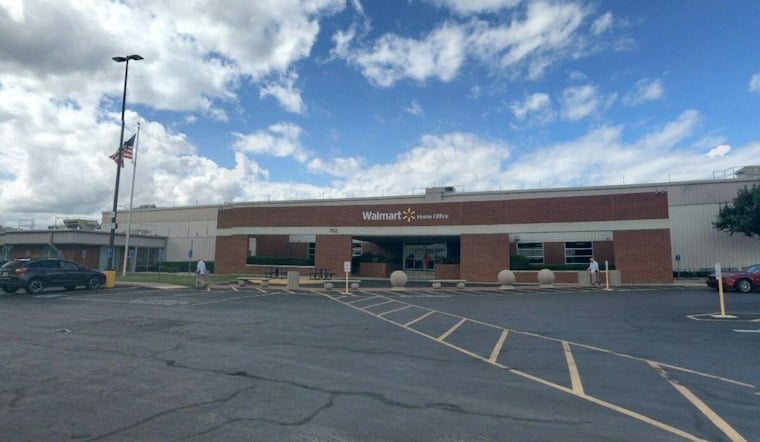
Walmart used the same day to announce its own piece of the puzzle: a new multiyear agreement with Zipline to add 300 drone delivery sites nationwide, with room to expand further, according to Walmart. The retail giant said its drone program has already completed more than 2 million deliveries to date. Zipline, for its part, reported more than one million deliveries within the Dallas-Fort Worth metroplex alone so far this year, per the same globenewswire.com release.
Uber's Million-a-Day Ambition
Uber has also invested in Zipline, joining a roster of backers that includes Fidelity, Valor Equity Partners, Tiger Global, J.P. Morgan, Ark Invest, and Salesforce Ventures, per the release. Zipline and Uber have set a joint target of one million drone deliveries a day by the end of 2029, according to Dronelife, with Uber Eats set to integrate Zipline's service starting in existing markets before expanding to new cities.
Anton Levy, an investor quoted in the funding announcement, said Zipline could extend its service to more communities and described the company as positioned to make drone delivery more widely available with partners such as Uber and Walmart.
Restaurants Report Rising Returns
Zipline reports that, among its longest-tenured restaurant partners, its share of delivery revenue rose from 10.8% in March to 34.9% in October. The company also says those restaurants’ delivery gross merchandise value increased 26%, with 80% of that growth coming from Zipline orders; Zipline characterizes the orders as new business rather than sales diverted from other delivery platforms.
The company says the median Zipline order took 19 minutes from checkout to delivery in October, compared with more than 30 minutes for traditional delivery; bakery orders had a 10-minute median. Zipline also reports that dozens of businesses join its platform each week and that hundreds now earn revenue through the service.
Noise, Safety, and the Westborough Fight
Not every proposed drone site has drawn support. In Westborough, Massachusetts, residents and local officials opposed an Amazon proposal to use a parking lot near its existing fulfillment facility as a launch site for 83-pound drones capable of up to 1,000 deliveries a day, according to The Boston Globe. The objections included noise, safety, zoning, and environmental concerns; federal lawmakers called for a site-specific environmental assessment.
Amazon withdrew its application on October 30, the Globe reported. Amazon planned to submit a revised proposal. The Westborough dispute illustrates how local concerns and approvals can shape deployment. In a separate account of the industry’s expansion plans, Finimize said Amazon was aiming to grow from 11 locations to roughly 500.
Zipline says it has introduced technology to adjust aircraft operations and reduce noise, and that its next-generation aircraft is designed to carry heavier orders farther while flying higher and more quietly. The company has also reported flying 150 million commercial autonomous miles without a safety incident. For small drones carrying another party's property for compensation beyond visual line of sight, Part 135 certification remains the relevant path identified by the Federal Aviation Administration.
Expansion plans still face site-by-site review
Walmart’s agreement with Zipline is separate from its arrangement with Wing. Wing said its Walmart network is planned to reach more than 270 drone delivery locations in 2027, stretching from Los Angeles to Miami, according to Wing. A prior FAA review offers context, but not a decision on Westborough: in December 2022, the agency completed an environmental assessment for Amazon Prime Air’s proposed drone delivery operations in College Station, Texas, and found no significant environmental impact. That finding applied to the Texas proposal, not the withdrawn Westborough plan, according to the FAA.
A Crowded Sky Ahead
Zipline is not the only company pursuing a larger U.S. drone network. Walmart and Wing plan to offer drone delivery from more than 270 Walmart stores in 2027, according to Grocery Dive.
Zipline began with medical deliveries in Africa before expanding into consumer delivery in the United States and other markets. The company has established regular operations in several markets, but its next phase will test whether it can extend that model nationwide while controlling costs, maintaining reliable service, and addressing local concerns.




