
























































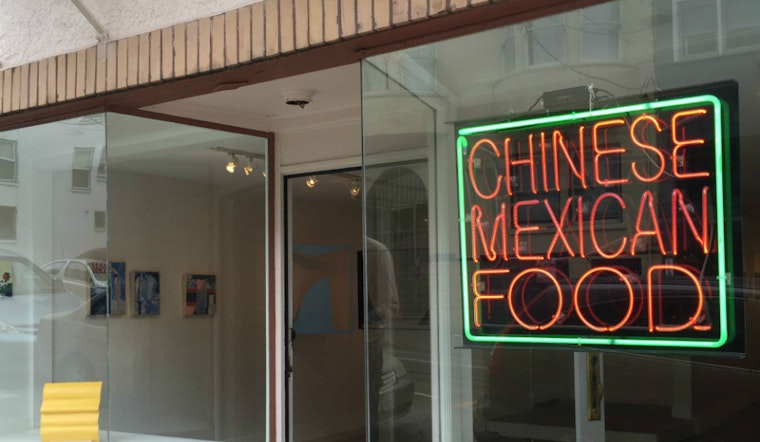
Mojie Gallery (1032 Washington St.) is a study in unlikelihoods.
It's located on the picturesque border of Chinatown and Nob Hill, where even locals might not think to turn down the residential block looking for an exhibit space. But there it is, a charming storefront currently hosting a Chinatown-themed art pop-up from Guerrero Gallery. (Mojie doesn't represent the artists or sell the art; it simply provides the space.)
One of the pieces in the show, housed in the front window, is a red-and-green neon sign that reads "CHINESE MEXICAN FOOD." That's unlikely, too. There's no kitchen—not even a table inside to put out some chips and salsa. But owner Stefan Safko has applied for a conditional use authorization to open a restaurant in the space, in case he wants to add one down the line.
However, in another unexpected move, Safko doesn't plan to actually open a restaurant, at least not anytime soon. Instead, he and roommate/business partner Simon Walker intend to open a cafe with an "advanced coffee culture," hopefully by the end of the year. The only food items they have in mind are pastries. Their focus is on the coffee.
"It's one part passion project, one part good coffee for us," Safko said. "I've walked by here 10,000 times, and it's like, 'Why is this place not a cafe? I just don't get it." Walker chimed in: "And we're going to fix that."
"I travel a tremendous amount for work worldwide," says Safko. "And I make an effort to seek out delicious coffee everywhere I go," whether it's Budapest, Paris or Seoul.
San Francisco is no stranger to third-wave coffee, but Mojie's neighborhood, adjacent to the Powell-Mason cable car line and just down the street from the Cable Car Museum, has none. Safko lamented the long distance to the nearest quality cup.
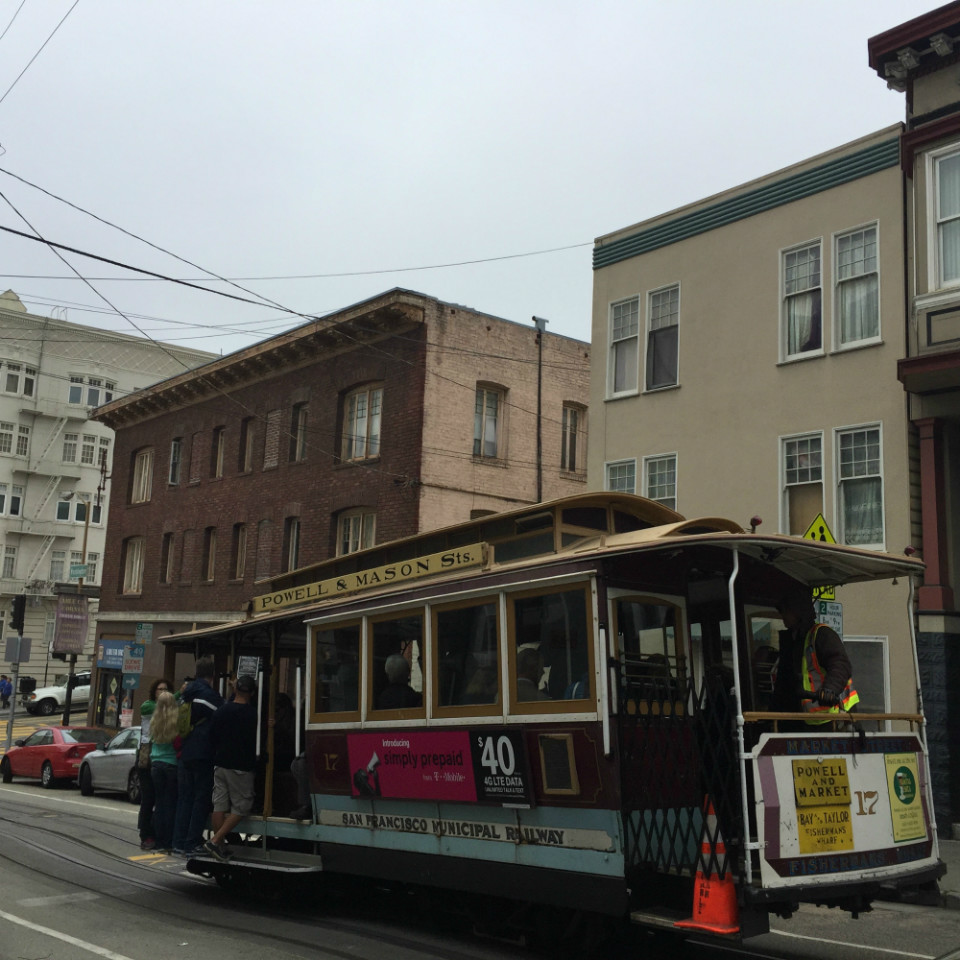
Mojie's space has been a mahjongg studio, a neighborhood market and possibly a doctor's office, according to Safko, but had been vacant for years. (Its name, Mojie, is a play on mahjongg, as a nod to one of the former tenants and the adjacent Chinatown neighborhood.)
Safko bought Mojie's entire building, which is mostly residential, and in another unlikely (but certainly appreciated) turn of events, didn't try to turn it into condos and evict any of the 14 tenants. Instead, he cleaned up the storefront, painted the walls, started using it as an "artistic showplace" in January, and plans to do a seismic upgrade.
He hopes the Planning Department approves the conditional use for the cafe, and said many neighbors have expressed support and written letters on his behalf. "It's a beautiful space," Safko said. "It's a waste for it not to be used as a gathering space for the local community."
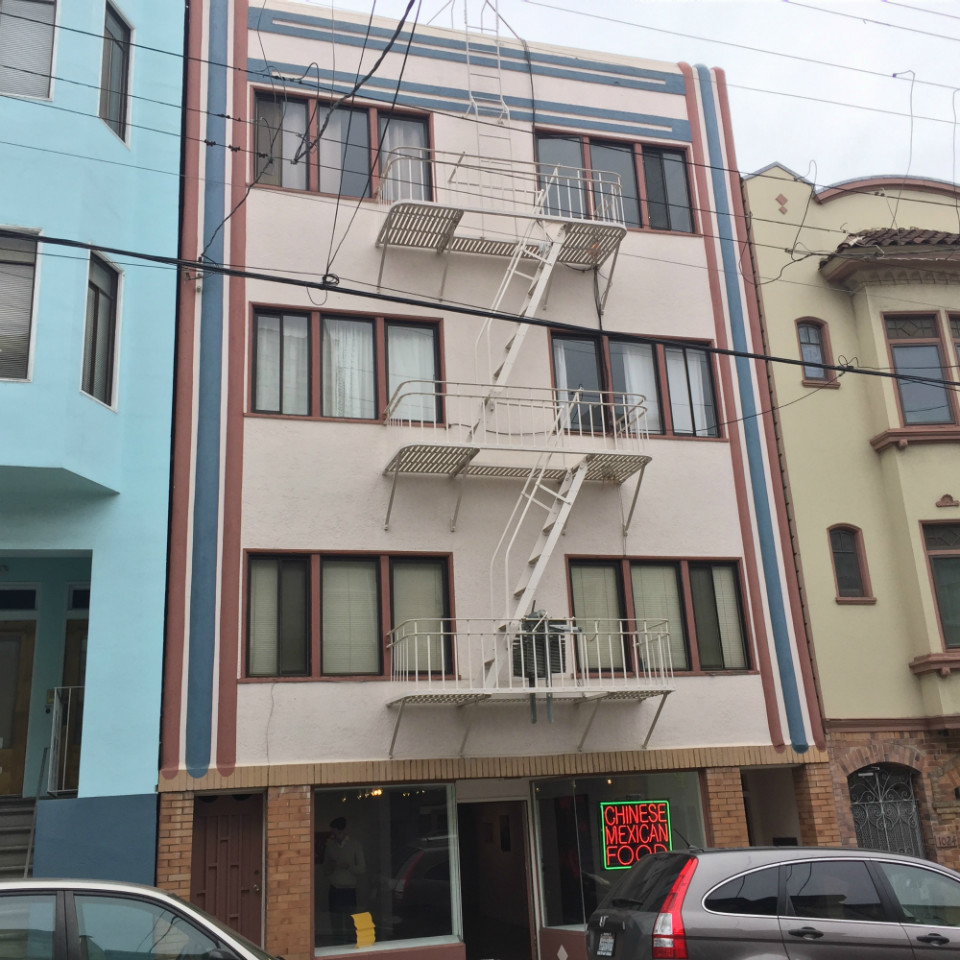
For the moment, however, Mojie remains an art space. Guerrero Gallery's "Chinatown Project," which opened June 13th, will be up through July 15th. Stop by from noon–7pm, Wednesday-Saturday, to check it out, or contact Guerrero Gallery to make an appointment.





