
























































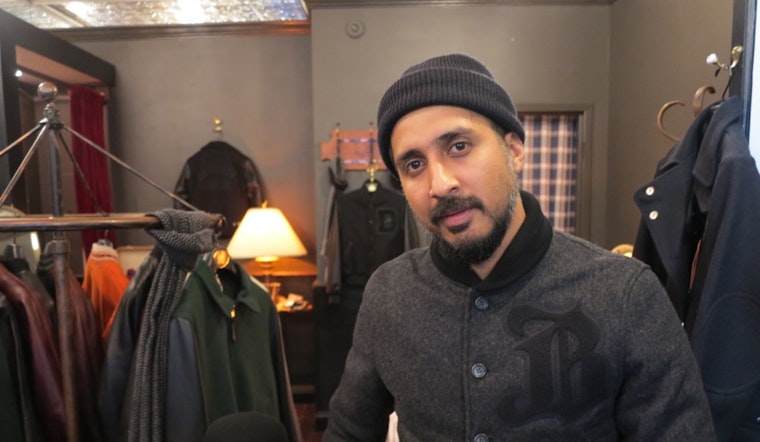
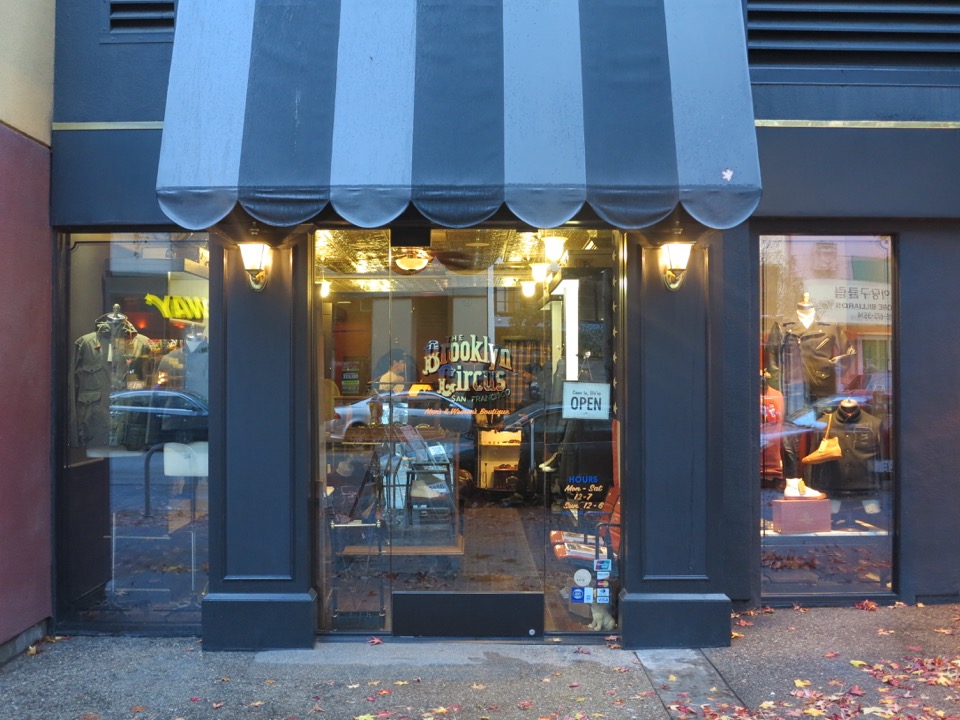
Since 2008, The Brooklyn Circus has been tucked away at 1521 Fillmore St., quietly providing its customers with high-quality clothing that owner Gabe Garcia hopes will stand the test of time.
Inspired by classic American brands like Levi's and Ralph Lauren, Garcia and his business partner Ouigi Theodore, whom he met at F.I.T. in New York, are doing their best to carve out a place for themselves in the fashion world by, in many ways, ignoring the traditional pressures to constant innovate their image.
In addition to their two brick and mortar Brooklyn Circus locations in Brooklyn and San Francisco, Garcia and Theodore have a lucrative online store, and also offer brand development, consulting, and design services. That diversification may be responsible for the low-pressure sales environment in their cozy retail shop.
We caught up with Garcia recently to shoot the breeze about style, the weather, and being in retail for the long haul.
Where are you from and how did you get here?
"I guess I claim Oakland, I was born in a Berkeley hospital but I was raised in Oakland. I went to Cleveland Elementary over there. As far as how I got here, after high school I moved to New York, and that was the first step in the direction towards where I am today.
When did you move back to The Bay?
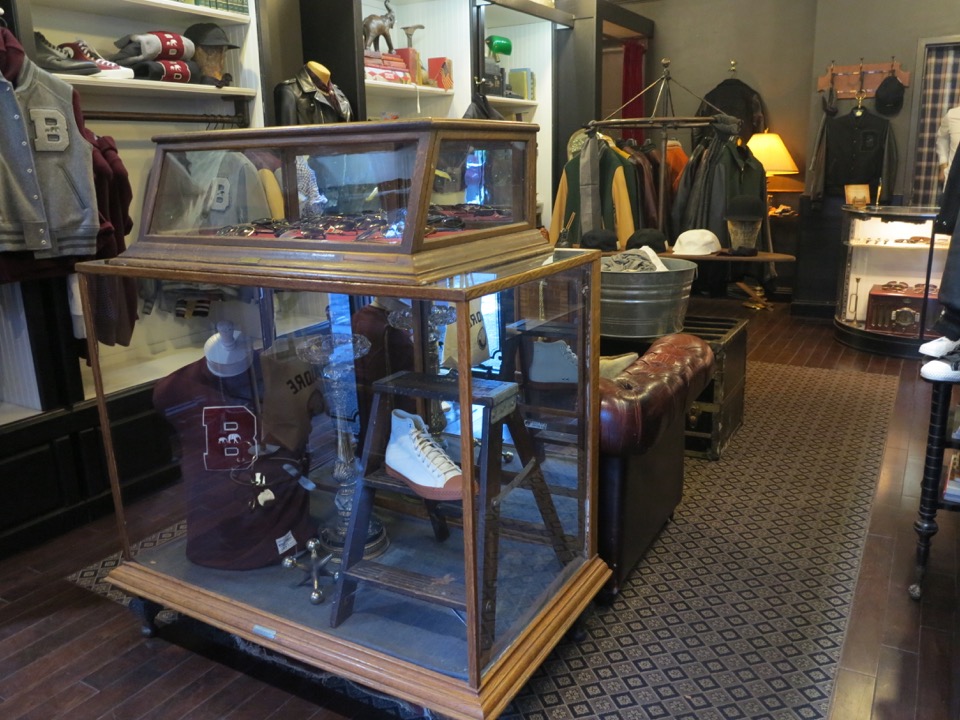
The first time I moved back was 2007. I came back specifically to search and hunt for our retail space. We had opened the first location in Brooklyn in February 2006 and momentum was building. I graduated college out there and I was like 'I'm moving back to The Bay, I'm opening up our San Francisco location.' So I moved back September of '07 and found this location and ended up opening a pop up shop next door, which used to be Harput's, a family-owned business, and ran that while this place was being built out.
How did Brooklyn Circus get started in the first place?
Well, technically it was birthed out of a failed retail business in Brooklyn. My business partner and two of his buddies opened up a shop in Brooklyn in 2003 called Race. It was a concept shop that carried some contemporary stuff and some streetwear stuff, things that were cool in 2003 in New York. They tried that for a few years but it wasn't going anywhere so they dissolved that and my business partner decided to keep the space. They separated and that's when we decided to reopen in the same space as The Brooklyn Circus.
At that point were you only selling your brand there?
No, at that point we were selling entirely other brands and had nothing with Brooklyn Circus or BKC label yet. We introduced our first logo t-shirt six months into it. After we were seeing what kids were buying and what was selling we figured we might be able to do this. My background was in advertising and graphic design and my partner had some graphic design experience as well, so we just started playing around with graphics and logos and printing them on anything we could buy a blank of. We did that for a little while and realized it was selling a little more than we expected, so we invested more time, money, and effort into doing that. We technically introduced our BKC brand as a full collection the following year which was the end of '07.
Why did you call it Brooklyn Circus?
I would have to give credit to my partner, Ouigi. Technically he was born in Haiti but he was raised in Brooklyn. The Brooklyn Circus was a concept that had to do with all the talent in New York City and Brooklyn in particular. There's so many layers of talent, so many layers of culture and history, and we just thought 'circus' kind of tied it all together and we made it our own.
Would you say that Brooklyn Circus is a 'streetwear' brand?
We never neglect the fact that we started as a streetwear brand. What streetwear means to me is fashion that's street-ready. Which is pretty vague, but that's what it means to me. So we started as a streetwear brand in that sense. We were fashion-conscious, style-conscious young individuals, but we wanted stuff that we could wear everyday, stuff that we wouldn't mind sitting on the curb, waiting for the bus wearing. I think since then we've grown up, we've gotten better taste, we've traveled, become cultured, been exposed to better quality things and have a better idea of what fashion is.
Who are your biggest influences?
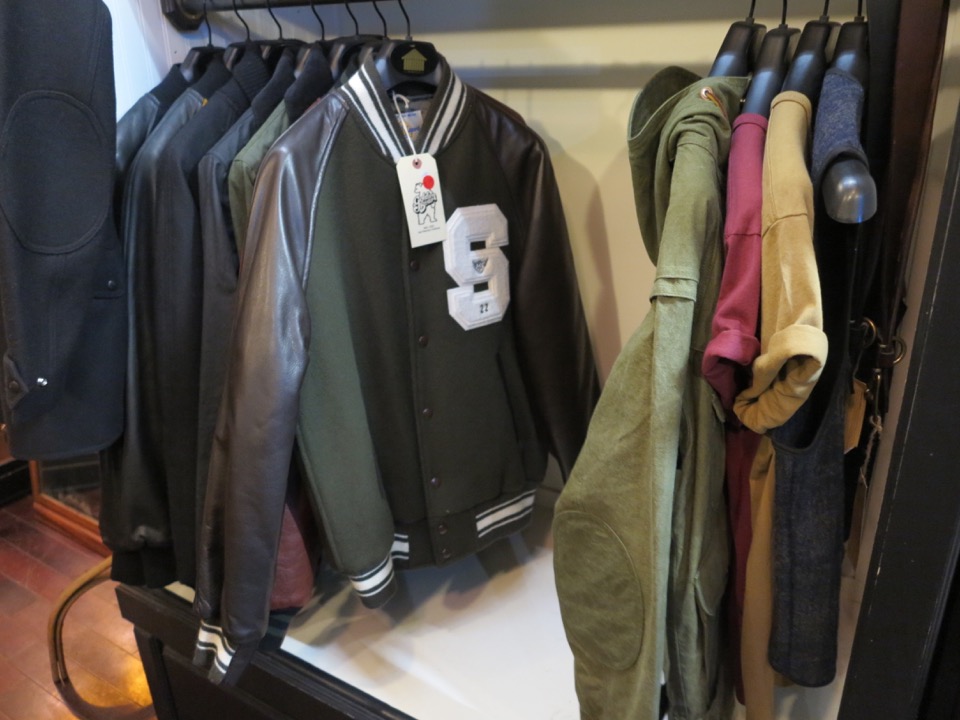
Classics. Levi's, Brooks Brothers, J. Press, brands that have been through the test of time. For us, when we study, we study those that have done it for a period of time. You can see the waves of the good, the bad, and the ugly and we take note of all those things. That's why Ralph Lauren has been able to stay not only relevant but be a force as an American brand through so many years. It's brands like that that inspire us. We want to be classic, we want our brand on shelves in 30 years with people paying premium prices for it and collecting our items.
What are the major differences between East Coast and West Coast style?
I think with the East Coast you get all seasons, so that's the first thing you're going to notice. You're going to see people having to cater to what the weather's going to be like, so that's going to change your style drastically, in my opinion. I think that is a big part of the differences, although I think San Francisco is kind of a loophole when it comes to California or West Coast weather, since we can get almost every season in a day. I think weather has a lot to do with style and function.
What style is emblematic of San Francisco culture?
Layers. I think layers are a big part of it. People that know San Francisco don't leave the house without some sort of outer piece, whether they got it bundled up in their backpack for later, or they wear it and take it off later. So yeah, layers are a big part of it.
Do people dress better in New York than they do here?
Aw man, that's a fueled question! It's hard to say what's better or worse, I think it's different.
Safe answer. What are you trying to accomplish here at Brooklyn Circus?
I want to offer a home for people that are style-conscious and provide something that might be a little more unique than you might find, not just in New York or San Francisco, but anywhere else in the world. We focus on building our own brand, I'd say that 80% of the shop is our own brand that's not offered in a lot of places, so I think we're offering a unique product. I think that I also want to be a resource to people that want to learn more about style. We put this store off the beaten path for multiple reasons, but one of them is that we like to have the kind of conversation we are having now. You wouldn't be able to have that in a more upbeat neighborhood where there's a lot more traffic coming through.
Why did you choose The Fillmore?
Where we are in Brooklyn, we are right in a cross section of the hood and two million dollar brownstones. I felt the same way about The Fillmore, and what we love about it is that we welcome everybody that's going to be interested in our visual conversation or our style conversation is. We welcome everybody that's interested in that. Having that variety is what makes our days interesting and our conversations interesting.
What should we be on the lookout for at Brooklyn Circus next year?
Well, for us we have what we call 'The Hundred Year Plan' and we take that seriously. We are taking our time with this. We are still an independent brand, we're still self-funded, all out of pocket. For us it a longer-term vision and we're taking our time with it. We don't really see ourselves following the fashion rules or the fashion schedule. We look to get inspired and our inspirations are what motivate us to build a collection. We're not in any rush. 2016 for us is just taking another chip away at this Hundred Year Plan. We aren't worried about what's up for next year, we are looking way past that, we're taking our time and not rushing through to deliver products. We want to leave something in the history books.





