
























































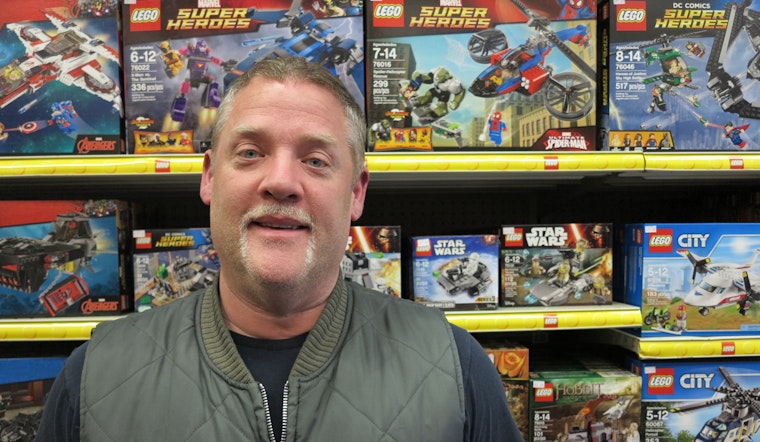
For most collectors, there's usually a single obsession that sets them on their lifelong path of gathering a stockpile of items that make them happy. For Stephen Tarantino of Cow Hollow's The Collectors Cave, it was Batman.
After seeing the 1989 remake of Batman in the theaters, Tarantino was hooked, and began collecting as many figures and related products as he could. These days, he's at the helm of his own small business dedicated to helping others feed similar obsessions: toys, comic books, games, trading cards, Lego, autographed memorabilia, and more.
We stopped by the other day to speak with Tarantino about toys, the timeless appeal of board games, and what it's like running a business on Union Street.
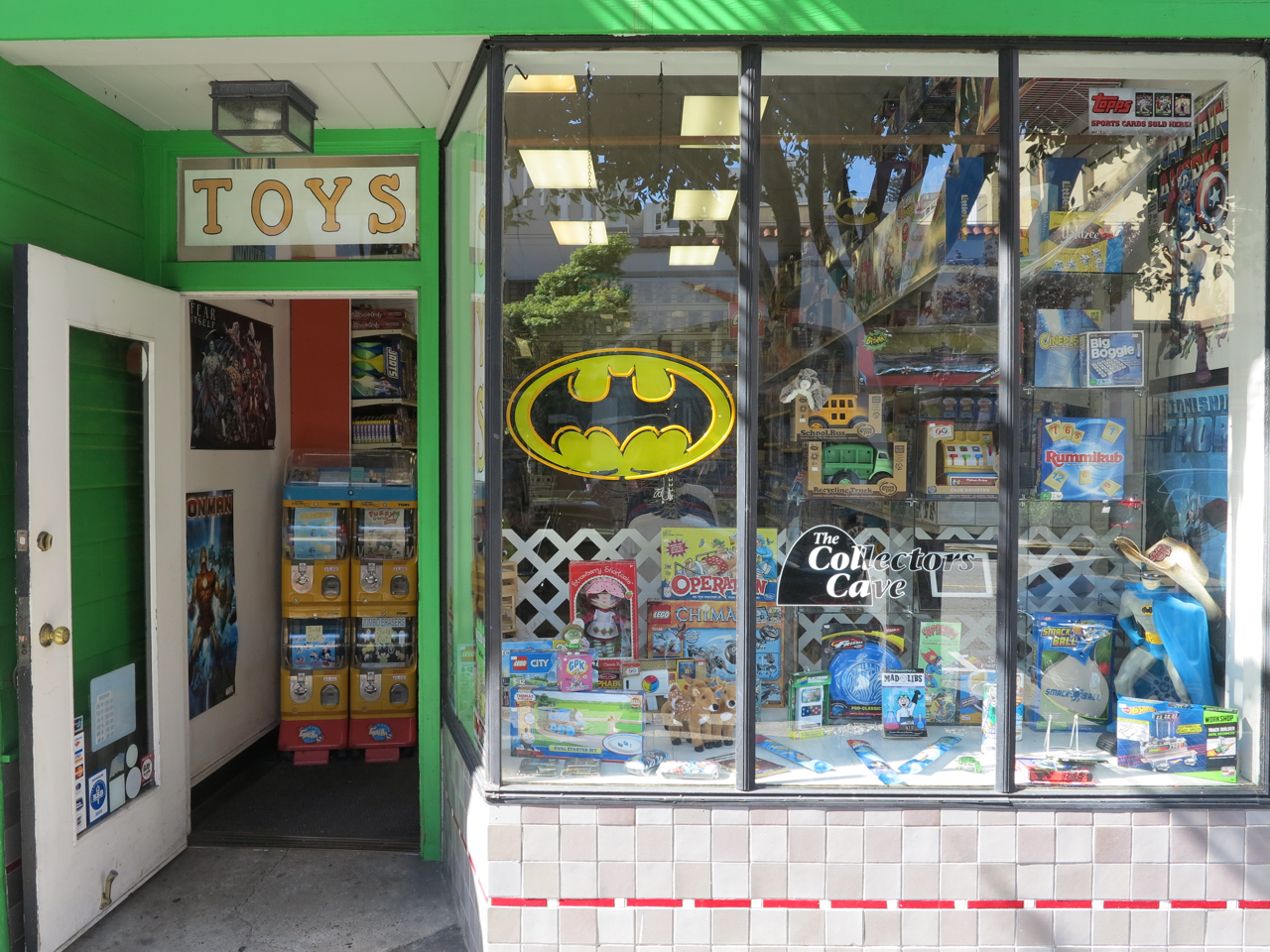
Where are you from and how did you get here?
Well, I'm originally from San Francisco, and then I spent 30 years, give or take, in Connecticut. Then I decided to move back here and open up shop.
When did you open Collector's Cave?
I've been here since December 2002.
Why did you decide to get into this business?
Well, in 1989 the Batman movie came out, and I got heavily into that. I was always a Batman fan, even as a kid, but that movie somehow re-sparked my interest. I ended up going into a toy store one day, and was like, 'Holy cow, there's a lot of cool stuff here.'
Then I just started collecting. Cards, comics, toys—I started with Batman stuff mainly. Just buying one of everything, if I could. Then I started buying multiples of everything, with the intention of re-selling them one day. Then I moved out here and opened up shop. I figured I had to do something with myself for the rest of my life, so I might as well do this.
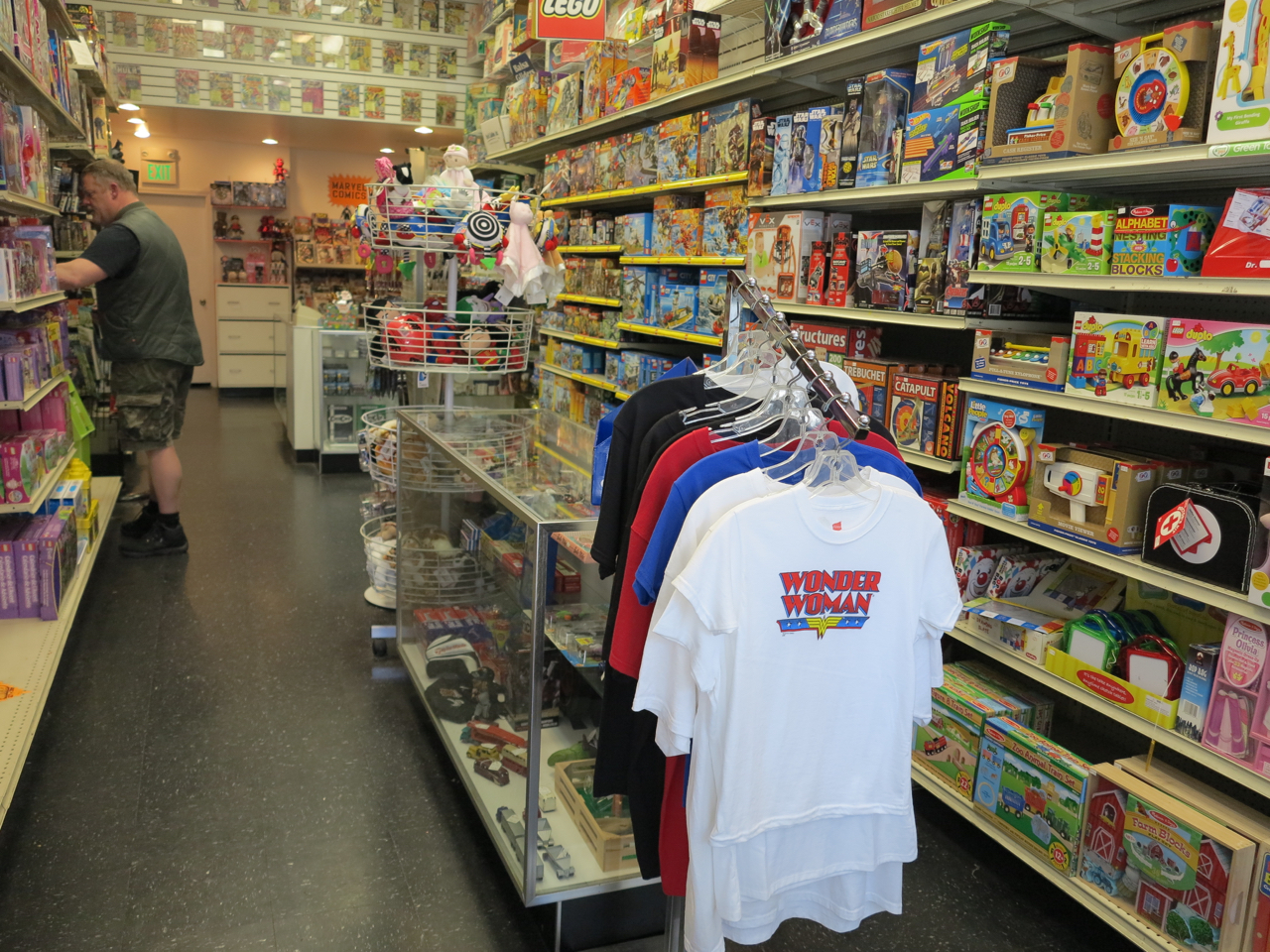
Why do you think people collect things in general?
That's a tough question to answer. I really don't know, but for me, I guess I just collect what I like, what appeals to me, what I find interesting. I would recommend that to anybody. I guess it's mostly just personal or sentimental attachments that bring people to collecting, I suppose.
I also recommend not collecting for speculative value. It's not worth it, and you'll be disappointed. At least if you enjoy what you have, you're never going to feel like it was a waste.
Why do people keep toys in the box? What's the deal with that?
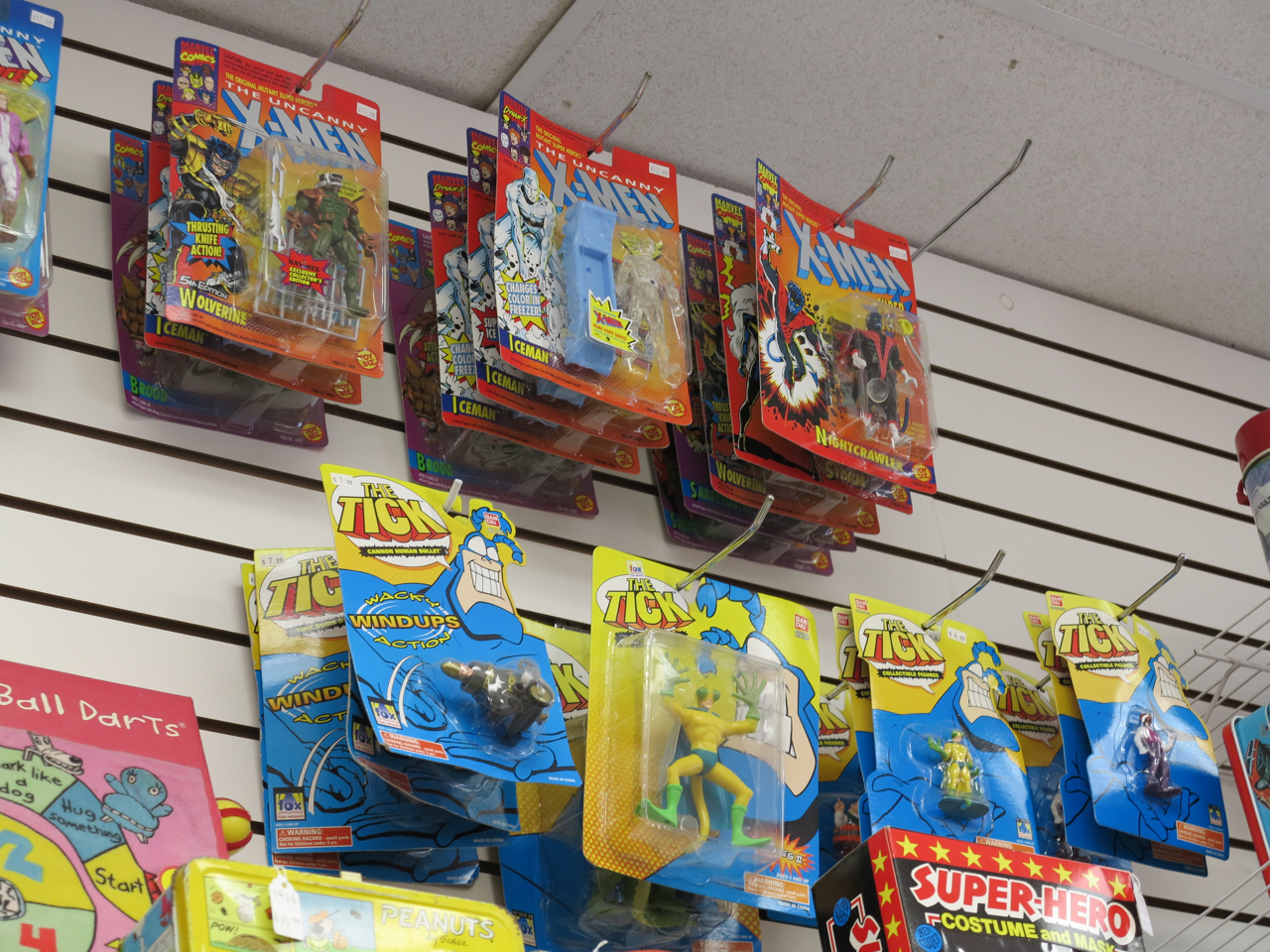
Well, that is the best way to get a high return on your investment. You know, loose items don't command as much money in the future as perfect ones in the package do.
Also, as an adult, you're not necessarily taking them out of the box. I mean some people are, some people will, but to me, the packaging is designed to make it look interesting. But I find that once I do take things out of the box, my adult brain doesn't have the same imagination that my childhood brain did. Once it's out of the box, I'm often like, 'So now what am I going to do with it?'
Tell us about your board game offering.
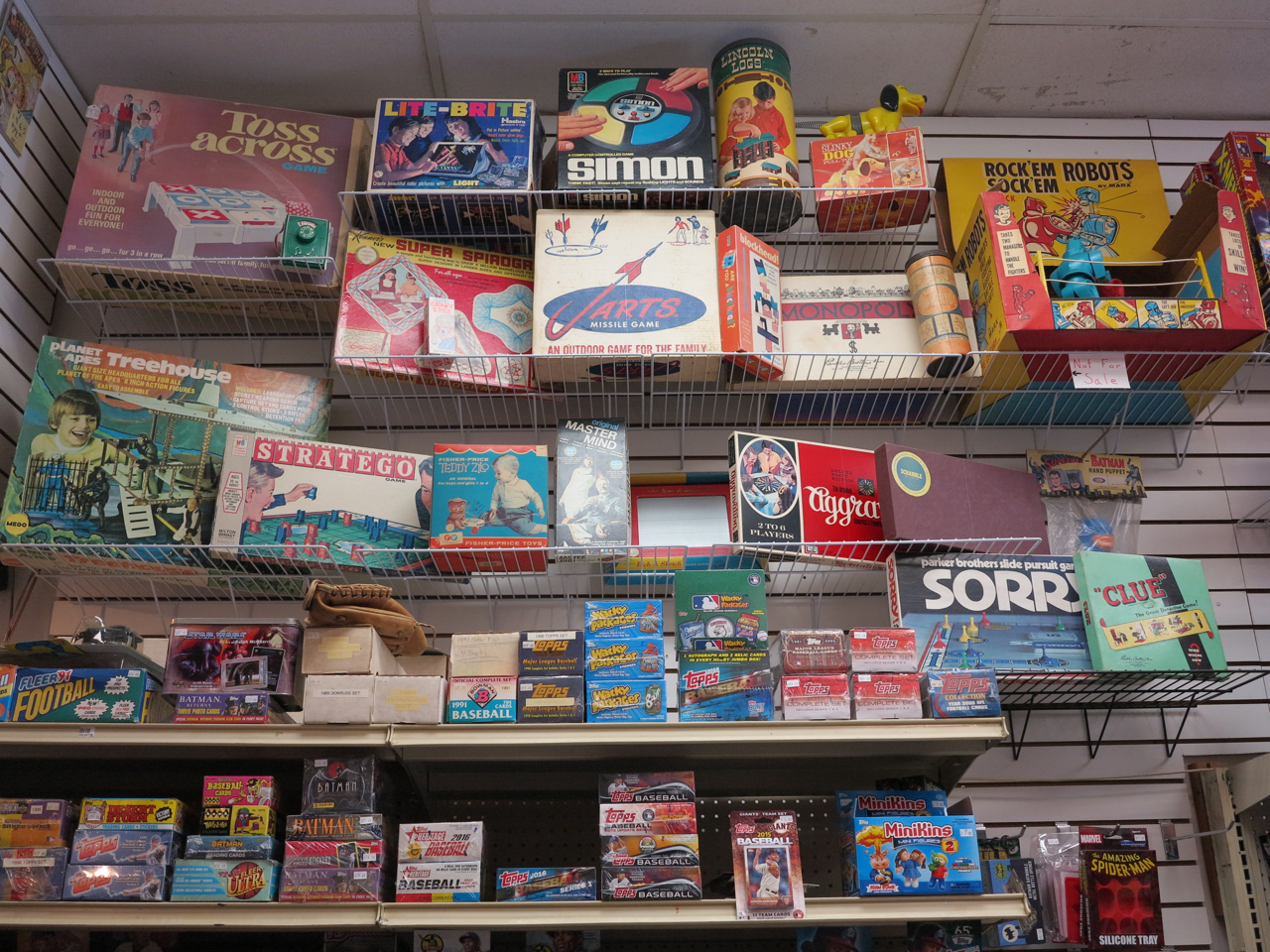
We focus on classic games, ones that have been around for 50, 60 years. While the look of the game or the characters in the game might change, the same basic game is still there for decades. Whether it's Candyland, or Monopoly, Clue, the games really haven't changed.
I also find that board games are usually for little kids, up until they are about 12 to 14 years old. People tend to get out of them, then, maybe in their mid to late 20s, people get back into board games. That's one thing I've noticed from having this store. There's really a gap ... I guess you start dealing with high school and college, so you start to forget about all that stuff for a while.
What's it like owning a business on Union Street?
Oh, it's an adventure. You know, every day is different, every month is different, every year is different.
Things have changed dramatically on the street since we moved in in 2002. Various stores have moved in, come and gone. There used to be other children's stores down the street, there was a video and CD store down the street, a bookstore down the street, and most of those have gone and not come back, unfortunately. The foot traffic has changed, but it's still a good street to be on. It's always been one of the more popular shopping streets in San Francisco.
Why did you choose this area?
Because it was one of the more popular shopping streets in San Francisco? [Laughs.]
What's the most valuable thing you have ever come across?
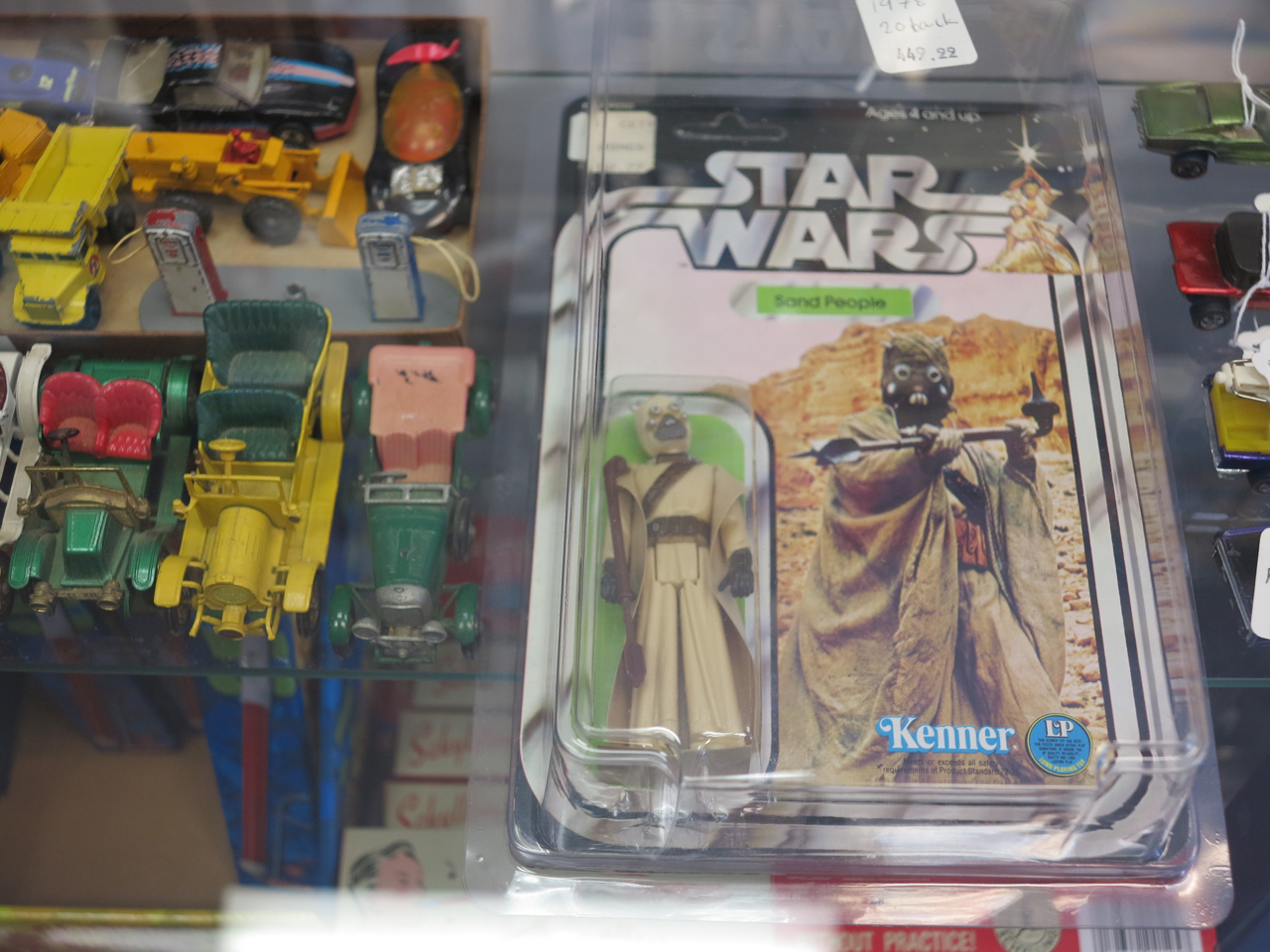
Probably this Star Wars stuff we have. We bought a collection of Star Wars figures in November. We had an original Luke and Darth Vader, and they were $1,500 each.
Wow.
In the package! [Laughs.]
How do you go about sourcing this stuff?
A lot of it is stuff I've purchased over the years and have been holding onto for 20 years. Also, people call me regularly, trying to sell stuff.
What makes something valuable?
Popularity, generally. It doesn't necessarily matter how scarce something is—that doesn't mean that it will have value or extreme value. It's basic supply and demand. People have to want it for it to have value. If people don't want it, then it's not going to be worth anything. If something falls out of the public eye, and people don't care, then it's not going to have any value.
Like, take Beanie Babies. They were huge and very expensive for a long time, and to some people they still are very expensive, but for the most part, they just dropped way off.
What's your favorite toy of all-time?
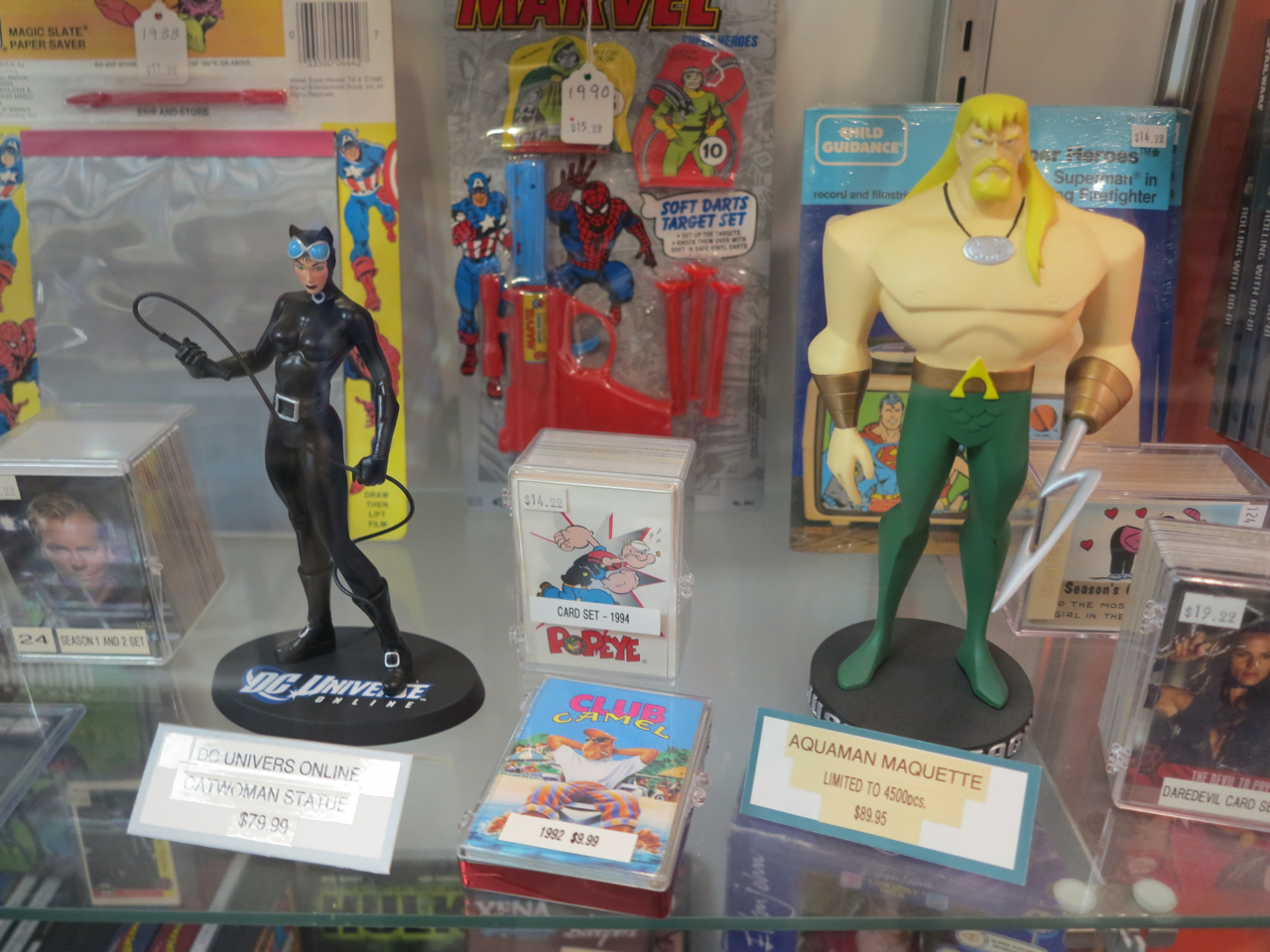
I don't know that I have a favorite all-time toy. I liked a lot of that Planet of the Apes stuff from the '70s, and also the Mego figures—the superhero ones from the '70s. I love finding those in the box. But then again, that's a lot of toy collectors' favorite thing. Those particular figures, if found in the box, can be quite valuable, so they are very tough to come by in great shape.
Any future plans for the business?
No, not really. We hope to be here for as long as we can, and all that means is that customers have to come in and buy stuff. As long as they're doing that, we'll stick around.




