
























































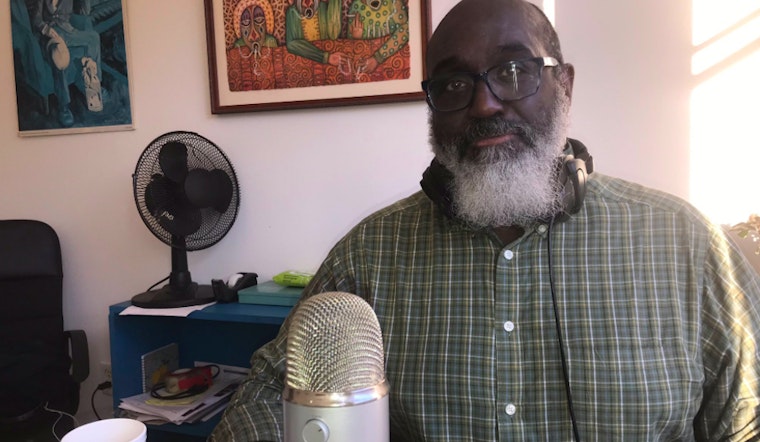
Full disclosure: Walter Thompson is a former editor at Hoodline. We decided to profile his new podcast because we know that many of our readers were fans of his work — especially his pieces about the city's history — and might be interested in listening to new stories.
If you have feedback about our coverage of this topic, feel free to email [email protected] or leave a comment below.
Walter Thompson grew up on the East Coast. But now that he's lived in San Francisco for more than 20 years — longer than he's resided anywhere else —he's embraced the fact that he's a local.
That's also meant accepting that he isn’t the same person he was when he first arrived.
“I took myself too seriously back then,” he said.
Now that he's fully embraced being a San Franciscan, Thompson has become fascinated by the city's history — how today's environment reflects yesterday's decisions, and how the San Francisco of today might impact the San Francisco of the future.
His new podcast, The Golden City, aims to connect listeners to all three sides of San Francisco: the past, present, and future. While he launched it after encouragement from friends and colleagues, he says it's ultimately a "selfish exploration" of his curiosity about the city he now calls home.
After leaving his position as Hoodline's city editor in 2018 (he's now a senior editor at TechCrunch), Thompson found himself missing the opportunity to write about the historical oddities he'd discovered at Hoodline, like the tragic history behind a now-closed Cole Valley laundry, or the time UC San Francisco's test monkeys escaped in the city.
Much of "The Golden City" stems from a documentary Thompson worked on in 2014 and 2015, which was never completed. He'd hoped to investigate the impact of technology and its cycle of employment on housing and transportation in San Francisco.
“I’d done at least 20 interviews" for the documentary, he said, many of which will form the foundation of the initial podcast episodes.
The third episode, for example, starts with a 2015 conversation between Thompson and Chris Dumas, an artist who was moving back to Little Rock, Ark., to get away from San Francisco’s high housing prices and seek new cultural opportunities.
The second half of the episode is a phone call between Thompson and Dumas, discussing what he does and doesn’t miss about the city, four years after his move.
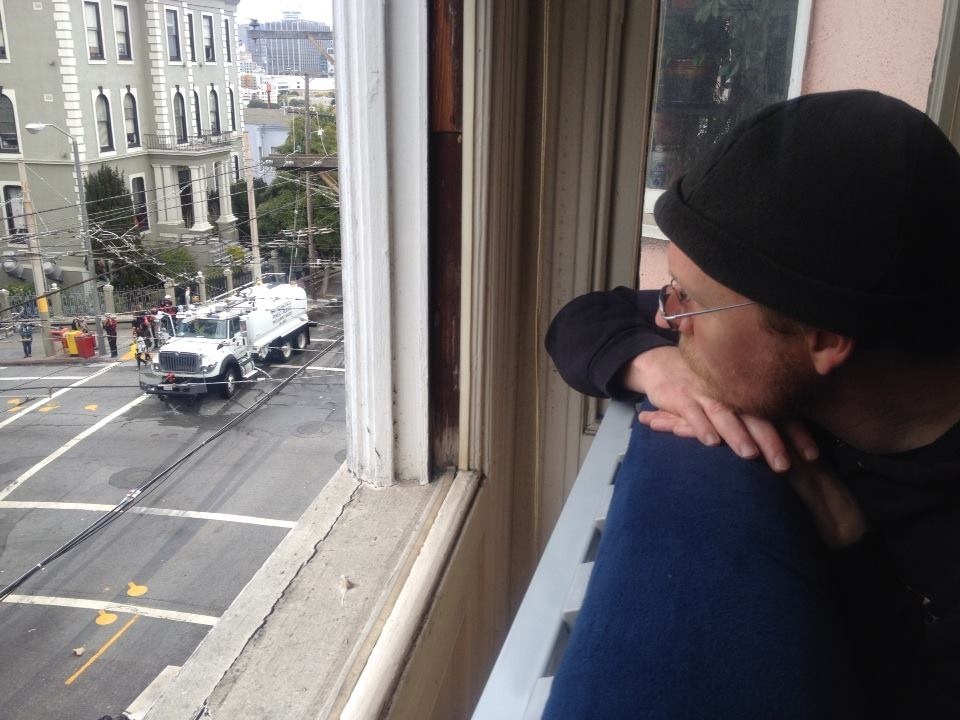
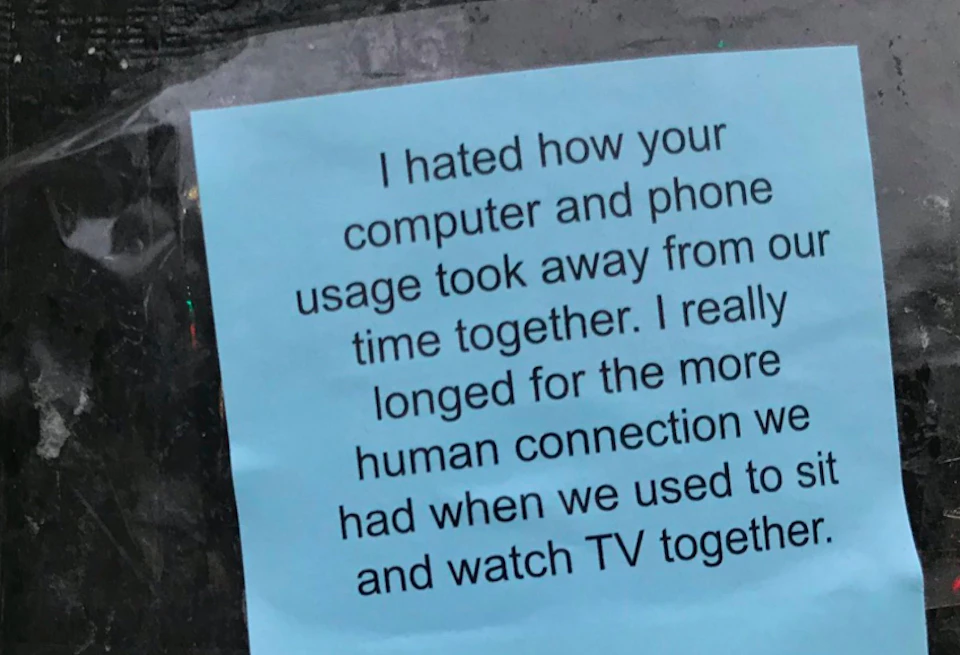
Other ideas have materialized from Thompson’s daily life in the Sunset District. The first episode investigates a phenomenon Thompson discovered on his regular walks to the beach: a seemingly random collection of anonymous blue notes, taped to telephone poles around the neighborhood.
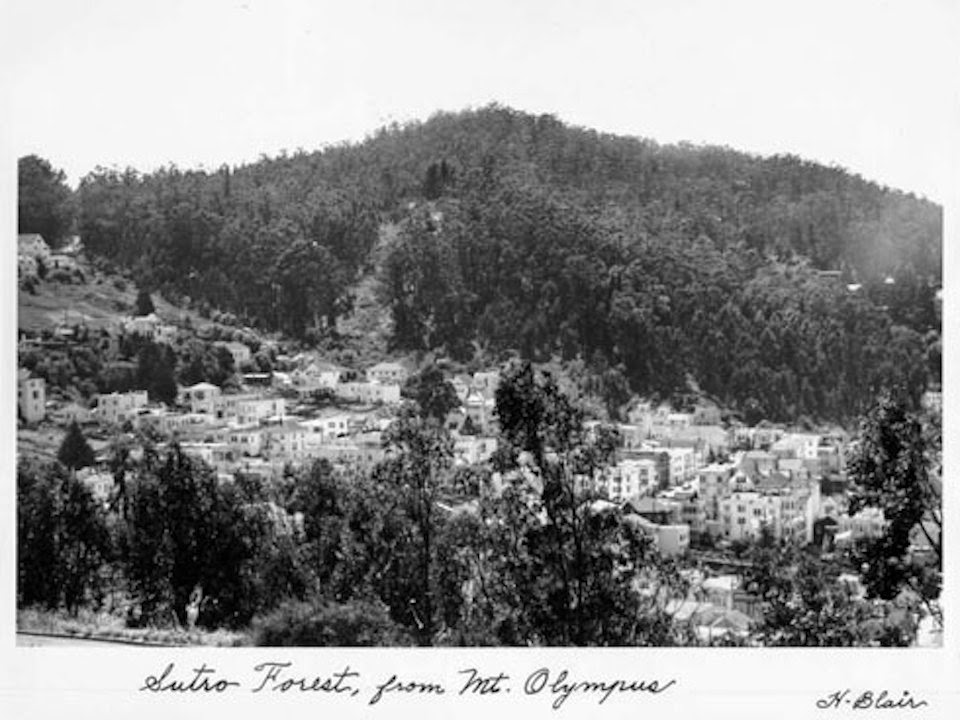
Another episode compiles “Tales from Mount Sutro,” an ongoing topic Thompson covered during his time at Hoodline.
The "Golden City" moniker refers in part to the city’s landscape, which would still be rolling golden hills and sand dunes if nature had been left alone.
But the name also suggests wealth and scarcity, and the limited space available in the city.
Thompson’s stories “are about folks trying to capture and hold on to their piece of San Francisco,” whether aspirational or struggling.
San Francisco “is not a perfect place," he said. "It’s not all we want it to be, but it is a place people come to make the best of themselves.”
Thompson has no funders or partners at this point, but he does read some pro-bono advertisements on the show, for local businesses he thinks are interesting.
“Some are for local shops that are doing cool stuff today to engage with the community, and some only exist in memory,” he said. “I’m letting the audience figure out which is which.”
While he says he "didn’t think very much about the audience” for the show before he made it, he expects people who love San Francisco and history will probably enjoy it.
Four episodes of "The Golden City" are currently available, and Thompson plans to put out new episodes twice a month. If you have any ideas for him to investigate, you can write to him on Twitter at @GoldenCityPod.


