

























































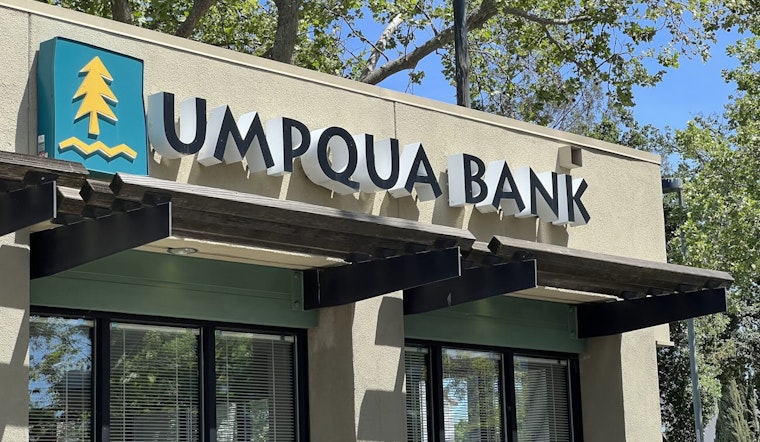
Umpqua Bank, based in Portland, Oregon, is being accused of aiding and abetting a massive Ponzi scheme that resulted in a second lawsuit filed on June 6, 2023 by 11 investors claiming losses totaling $4.2 million. The plaintiffs are part of a group that invested in Professional Financial Investors (PFI), a scheme set up by now deceased Ken Casey and his partner, Lewis Wallach. Wallach pleaded guilty to defrauding investors and was sentenced to 12 years in prison.
A class-action suit on behalf of over a thousand investors claiming over $300 million in damages was filed against Umpqua Bank in 2020, alleging that the bank played a significant role in facilitating the Ponzi scheme. Since then, PFI declared bankruptcy and a trustee has attempted to return money to investors by selling off the 71 properties held by PFI. However, according to attorney Linda Lam, who represents the 11 plaintiffs, at best, investors are expected to recoup only 40% of their initial investments, as reported by the San Francisco Chronicle.
Lam, in the new lawsuit, alleges that Umpqua Bank not only facilitated the illegal activities of PFI but also profited from it. The suit accuses the branch bank in Novato, California, of turning a blind eye to obvious red flags and helping PFI's principals, Ken Casey and Lewis Wallach, in perpetrating their fraudulent activities. In response to the allegations, Umpqua Bank issued a statement, saying they are "disappointed in the ruling" and will "continue to defend our company against these allegations."
The Marin Independent Journal published details of PFI's business, which worked exclusively through Umpqua Bank's branch in Novato. Casey and Wallach raised millions of dollars by promising steady returns for investments in Marin County real estate. Yet, instead of looking out for their clients' best interests, they reportedly used the funds from new investors to pay off older investors and support their extravagant lifestyles. This house of cards finally collapsed after Casey's death in May 2020, prompting an investigation by the U.S. Securities and Exchange Commission (SEC).
The new lawsuit against Umpqua Bank further alleges that the bank was aware of Casey's criminal past. He had been previously convicted of bank fraud in the late 90s, and any reasonable lender would have avoided dealing with Casey and his company. The lawsuit argues that the bank should have been vigilant, considering that it had experience with a similar Ponzi scheme, having paid $11 million in 2017 to settle accusations of aiding and abetting a scam in the Pacific Northwest, and $30 million in 2010 for its alleged involvement in a scheme in Bend, Oregon.
In a series of troubling events detailed in the suit, the plaintiffs accuse employees at the Novato branch of making fraudulent transactions that helped cover PFI's overdrafts and fund shortages. It shows that the bank's computer system issued 146 alerts for unusual activity in PFI's accounts between June 2018 and April 2020, but nothing was done to investigate further. Umpqua Bank has yet to offer an explanation for why these alerts were dismissed.
As the SFist pointed out, the Marin investors' suit hinges on a substantial claim: that Umpqua Bank knowingly and repeatedly put its clients at risk and allowed an apparent Ponzi scheme to flourish in Novato, California. U.S. District Chief Judge Richard Seeborg said there was evidence that the bank's employees participated in "some of the mechanics of the scheme."



