

























































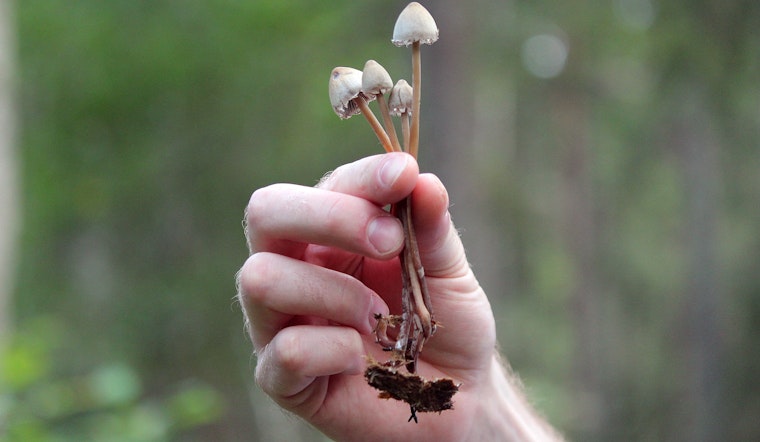
The Berkeley City Council finally caught up with other California cities, voting unanimously to scale back criminal enforcement against personal use of certain psychedelic plants and fungi, according to the East Bay Times. Plants such as magic mushrooms and ayahuasca are now following in the footsteps of Oakland, San Francisco, and Santa Cruz, which have adopted similar measures.
This change does not mean these substances are technically "decriminalized" but eases penalties to as close as possible for a local government while these psychoactive chemicals remain federally classified as "Schedule One" drugs – substances considered easily abused with no legitimate medical use.
This decision builds on the growing interest in researching the therapeutic potential of psychedelic plants and fungi for treating mental health conditions such as depression and substance abuse disorders. Interestingly, the policy change arrives after more than a dozen other local governments around the United States have enacted similar reforms, with California cities taking the lead.
However, Berkeley's resolution does not include all psychedelic substances, excluding synthesized drugs like LSD and MDMA, nor does it loosen the prohibition on giving away, sharing, or distributing entheogenic drugs. The policy does not cover the cactus peyote, which contains mescaline, honoring a request from the National Council of Native American Churches and the Indigenous Peyote Conservation Initiative. These groups expressed concern about decriminalization and poaching threatening the sustainability of the plant, which has been used for spiritual and cultural purposes by indigenous communities for centuries.
The legislation, sponsored by City Councilmember Sophie Hahn, applies only to personal use and possession of certain psychedelics, meaning gifting, selling, or administering hallucinogens would still be prohibited, according to KTVU.
Berkeley City Council's decision came only hours after a state Assembly committee advanced a bill by Senator Scott Wiener (D) that would legalize possession and facilitated use of psychedelics like psilocybin and ayahuasca across California.
It's worth noting the resolution was rewritten in its entirety to focus on de-emphasizing enforcement to avoid creating an unofficial market, a problem faced by other cities that have passed similar policies, according to City Councilmember Hahn.





