

























































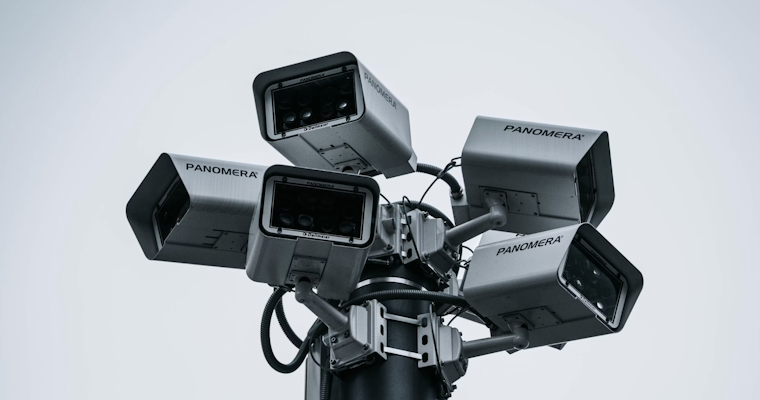
The Berkeley City Council has approved the installation of 52 automated license plate reader (ALPR) cameras throughout the city, despite concerns regarding privacy and the technology's potential effectiveness at tackling crime rates. The six-to-one vote moves ahead with a two-year trial aimed at cracking down on car thefts and overall crime in Berkeley, as reported by KRON4.
Privacy advocates and some residents are skeptical of the mass surveillance technology and worry about how the immense amount of data captured by scanners may be used. Hansel Aguilar, director of the city's Police Accountability Board, stated to KQED that there was "insufficient evidence at this point" to prove ALPRs will solve crime problems in the city.
Recent data shows that crime reports in Berkeley are up 15% compared to last year, with at least 733 stolen vehicles reported so far this year, marking a 67% increase from the previous year. However, mixed results have been reported with the use of ALPRs in other cities; for example, Vacaville saw a 33% dip in auto thefts after installing the scanners in 2019, but that statistic could be misleading due to the decrease occurring before some of the ALPRs were fully operational. Other cities such as Vallejo and Fremont experienced an initial decrease in car thefts followed by an increase in subsequent years via the East Bay Times.
Beyond effectiveness concerns, privacy issues were also raised, with the American Civil Liberties Union (ACLU) writing a letter to the Berkeley City Council highlighting ALPR systems' potential for misuse in marginalized communities and the likelihood of contributing to more harm than good. Chief among citizens' concerns is the potential for data breaches and the possibility of government misuse of the captured data to track individuals' movements.
The pilot program will require an initial setup cost of $250,000 and approximately $175,000 per year to maintain the devices. Despite the opposing views and concerns, the Berkeley City Council has decided to move forward with this two-year experiment, with the intention of revisiting the program at the end of the trial period.





