

























































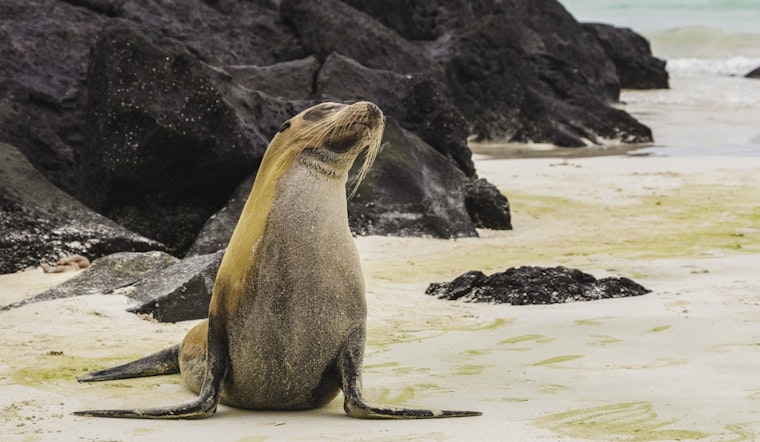
San Diego City Council's Environmental Committee recently voted unanimously to recommend a permanent, year-round closure of Point La Jolla, a popular rocky coastline near California Sea Lions. According to CBS 8, the decision, which will require a full council hearing, has triggered heated debates between those who support the measure to protect the sea lions and their habitat, and those opposing the closure due to restricted access to the ocean and possible environmental consequences.
Implemented last year, the current annual sea lion pupping season closure stretches from May 1st to October 31st, with signs and barriers placed around the area to deter human interactions. Local fishermen and ocean access advocates, however, are staunchly against extending the closure permanently. Volker Hoehne, Board Member of San Diego Free Divers and Waterman's Alliance, lamented, "The tragedy, here at Point La Jolla, is they do dumb things and don't respect wildlife, and now I, the angler and surfers, have to pay. Our access is closed."
Additional opposing voices include Bob Evans, President of La Jolla Parks and Beaches, who called for other solutions to protect sea lions without resorting to more beach closures. While some committee members acknowledge environmental factors associated with the closure, as detailed in a La Jolla Light article, the full council has not yet scheduled a vote.
Wildlife advocates supporting the closure argue that it is essential for the safety and well-being of both humans and sea lions. In recent years, the increased sea lion population at Point La Jolla has led to a rise in tourism, resulting in dangerous interactions between humans and the animals. According to San Diego Gov, tourists often attempt to touch the sea lions, take selfies, or get as close as possible, violating the federal Marine Mammal Protection Act and posing risks to both parties, especially during the critical pupping season.
Proponents of the closure emphasize the negative impact human interactions can have on the sea lions' habitat and well-being. Carol Toye of the Sierra Club Seal Society told La Jolla Light, "It's unsafe to have high numbers of visitors entering a breeding area with a population of around 200 sea lions year-round." Upcoming challenges like toxic algae blooms and the anticipated El Niño weather phenomenon further exacerbate the stresses on the sea lion population, elevating the urgency for a sustainable solution.
However, some critics raise concerns about the environmental effects of a permanent closure, emphasizing the need for a comprehensive study before any decision is made. Ocean access advocate Kurt Hoffman argued that the growing sea lion population contributes to pollution and a decline in water quality in the area, which could increase health risks for swimmers and surfers. La Jolla Light reported that a proper environmental study has not been conducted because the issue revolves around humans' presence in the protected area and does not directly involve sea lion activities.
As the debate continues, many stakeholders await the full council hearing for a conclusive decision on the permanent closure of Point La Jolla. The outcome will likely shape the future of wildlife protection, ocean access, and environmental concerns in the popular coastal region.



