

























































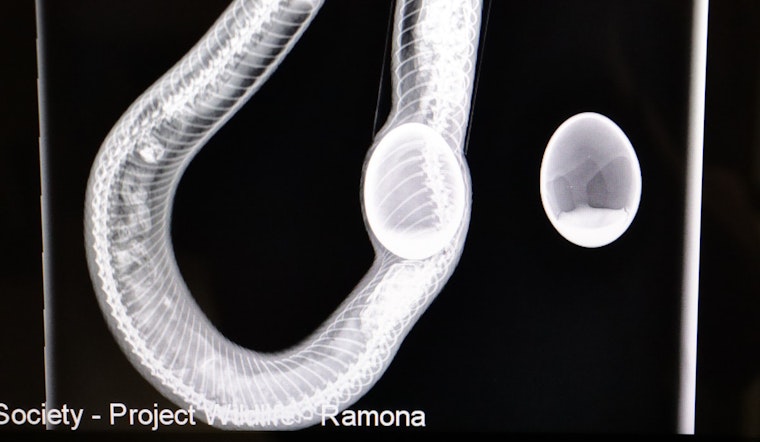
A snake had an unexpected encounter with a fake chicken egg, leading to not only a successful recovery but also impacting the surrounding ecosystem. On July 20, 2023, a Gopher snake was returned to the wild after 35 days of rehabilitation at the San Diego Humane Society's Ramona Wildlife Center, recovering from the damage it experienced due to swallowing a rubber "dummy" egg it mistook for real prey according to the San Diego Humane Society.
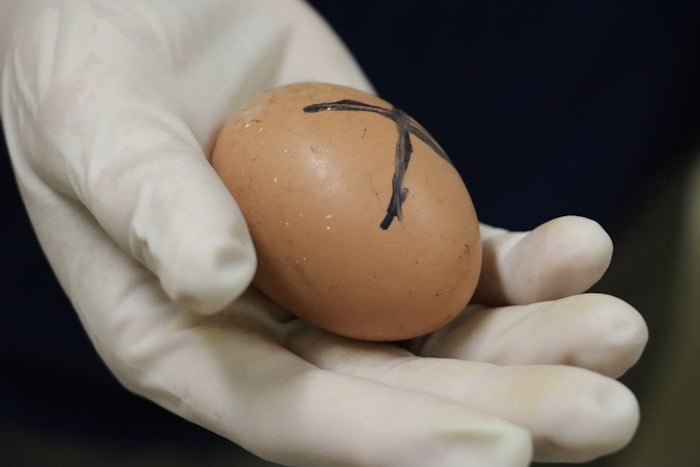
The snake's rehab journey began when a local farmer brought it to the center on June 16, 2023, after it had ingested the fake egg made from a plastic polymer. These dummy eggs, often used by farmers to encourage their chickens to lay more, can be deceptive for snakes, which occasionally mistake them for real meals. After witnessing the snake's plight, the thoughtful farmer made a decision to cease using these false eggs on their property, expressing relief upon learning that the snake had survived the ordeal.
Courtesy of the San Diego Humane Society
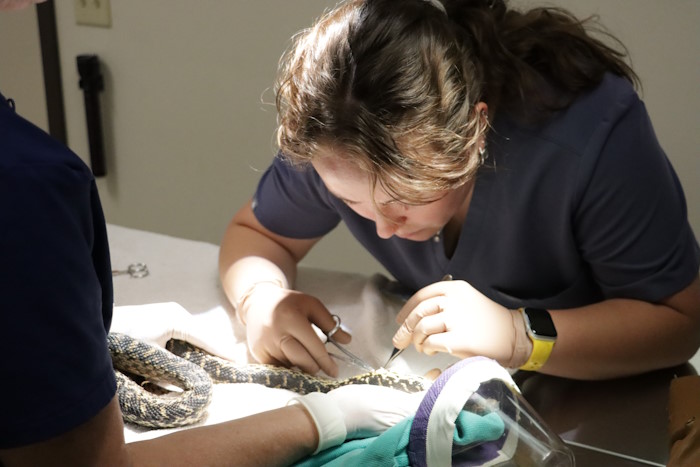
At the Ramona Wildlife Center, the veterinary team of Project Wildlife sedated the Gopher snake and slowly moved the synthetic egg towards its head, allowing the snake to regurgitate the object. Some areas of the snake's skin had been lacerated by the egg, requiring stitches. Once the snake awoke, it was able to successfully push the egg out of its mouth per the San Diego Humane Society.
Courtesy of the San Diego Humane Society
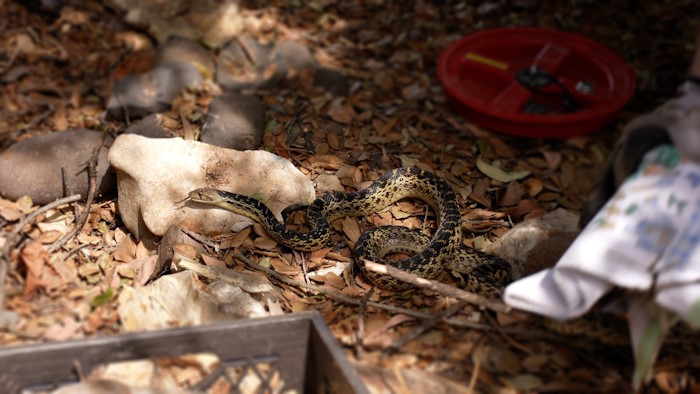
The snake required approximately a month to heal from its injuries. On July 14, Project Wildlife removed the sutures from the snake and continued monitoring its behavior and eating habits. This recovery and release, as Andy Blue, campus director of the Ramona Wildlife Center, stated, serve to emphasize the importance of every wild creature's role in our shared ecosystems. Blue added that Gopher snakes specifically provide a natural way for humans to control the rodent population.
Courtesy of the San Diego Humane Society
Although this may seem like an isolated incident, other historical accounts of snakes ingesting plastic items, such as a snake swallowing a plastic nest egg back in 1990, demonstrate that it's not an entirely new phenomenon. it is clear that this issue could negatively impact not only the individual animals but also the broader ecosystem they inhabit. Given the crucial role of snakes in controlling rodent populations, disrupting this balance could lead to a ripple effect on the surrounding environment.
The San Diego Humane Society's Project Wildlife is dedicated to being the primary resource for wild animal rehabilitation and conservation education in San Diego County. Every year, the program provides nearly 13,000 injured, orphaned, and sick wild animals with a second chance at life, helping to maintain the delicate balance of the natural world. At the Ramona Campus, the organization focuses on aiding native apex predators and birds of prey, such as hawks, owls, eagles, coyotes, bears, bobcats, and mountain lions under special pilot authorization according to their report.



