

























































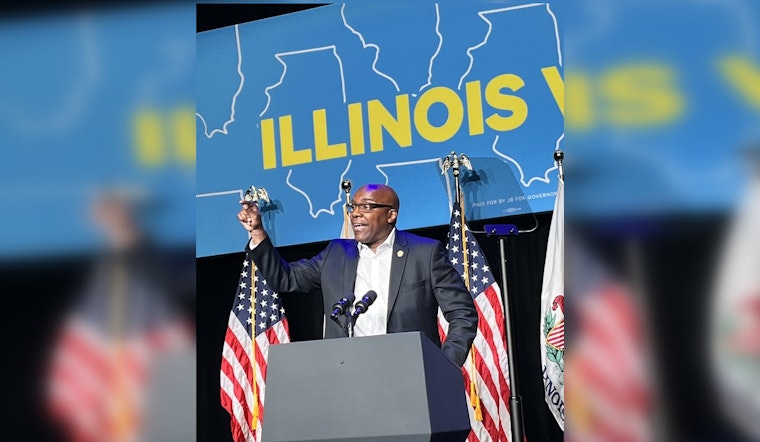
In an ongoing pursuit of equity and proactive efforts to subdue climate change, Attorney General Kwame Raoul recently spearheaded a multi-state coalition requesting Congress to reject budget cuts to vital programs within the Inflation Reduction Act (IRA), a landmark law signed by President Biden in August 2022. These programs, as outlined in the official comment letter presented by the coalition, were specifically designed to address the global climate crisis and lay down a foundation for a cleaner, equitable, and more sustainable energy sector.
The potential culling of essential funds constitutes a significant threat to progress, undermining the IRA's objectives—including greenhouse gas reduction and the creation of environmentally friendly jobs. The coalition highlighted that proposed budget cuts could rescind over $20 billion authorized by the IRA, making it even more challenging to combat the detrimental effects of climate change on Illinois communities and the nation as a whole.
These financial constraints would strike a blow to programs aimed at helping small rural businesses and agricultural producers transition to renewable energy, as well as initiatives directed at making energy cleaner, more reliable, and more accessible for disadvantaged communities. Low- and moderate-income families who seek to adopt cleaner household solutions would feel the effects of such cuts, further exacerbating the divide between socio-economic strata and compromising environmental efforts by limiting opportunities for progress.
A press release from the attorney general’s office gave voice to the coalition's concerns regarding the potential depletion of resources for various federal agencies, including the Council on Environmental Quality, Environmental Protection Agency, Treasury, and Department of Labor. These entities play a critical role in ensuring the effective implementation of IRA provisions, warranting the necessity for robust financial support.
The diverse coalition of attorneys general underscores the vital importance of an equitable and sustainable transition away from fossil fuels, and highlights the need for consistent and unwavering commitment to funding. The recent past teaches us that aspiring to achieve seemingly insurmountable goals requires the bridging of historical gaps, the forging of new alliances - such as the one comprised of attorneys general from Delaware, Maine, Maryland, Massachusetts, Michigan, New Jersey, New York, Oregon, Rhode Island, Vermont, and Illinois - and the powerful realization that, united, we will stand.
Being mindful of the intertwined destinies of all communities, it is critical to acknowledge that the course of future generations, whether marked by turmoil or stability, will be determined by the collective force of today's actions. The institutions that stand at the helm of these changes must remain vigilant and uncompromising in pursuing their objectives in the face of seemingly insuperable challenges. Attorney General Raoul's resolute initiative, along with the solidarity of his counterparts, sets us on a path toward a more sustainable and healthy ecosystem for all.





