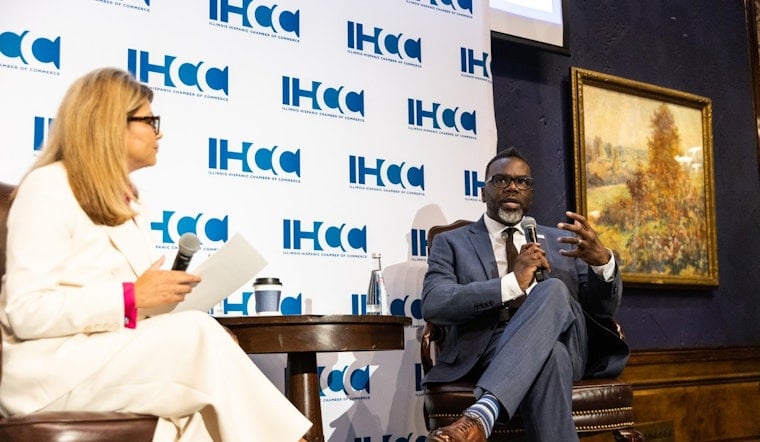
The "Bring Chicago Home" resolution, a crucial part of Mayor Brandon Johnson's 100-day agenda, was introduced to the city council today by his aldermanic allies, signaling progress in addressing Chicago's homelessness crisis according to the Chicago Tribune. First proposed four years ago, the measure failed to gain momentum under former Mayor Lori Lightfoot but has re-emerged as a focus for Johnson's administration.
The original proposal, which sought to triple real estate transfer taxes on property sales above $1 million, faced opposition from businesses and landlord groups, arguing that it would burden property owners of smaller multifamily buildings. In response, Johnson's team revised the plan, introducing a tiered system that offers relief for properties priced below $1 million but increases taxes on those above the threshold. The updated plan is estimated to generate over $100 million in annual revenue, a decrease from the initial $160 million projection under the original proposal, as reported by the Chicago Tribune.
Despite these adjustments, opposition from the real estate industry continues. Miguel Chacon, a landlord and real estate broker for smaller property owners in Pilsen, criticized the ordinance as "terrible" and warned that renters would bear the brunt of the financial burden as property owners pass on added costs to tenants.
Another concern among critics is the potential impact on the city's real estate market, particularly in light of the ongoing pandemic. Mayor Johnson's budget forecast for 2024 estimates a shortfall in transaction taxes due to a slowdown in the property market, with a projected drop of 37.1%, or $82.1 million, below budget, as per Crain's Chicago Business.
Nevertheless, supporters of the resolution, such as Ald. Maria Hadden, 49th, emphasize the need for a dedicated revenue stream to address the city's growing homeless population, which increased by nearly 3,000 people from 2020 to 2021. The Chicago Coalition for the Homeless reported that in 2021, the number of people experiencing homelessness in the city reached 68,440, underscoring the urgency of the situation, as reported by the Chicago Tribune.
To pass the resolution and make effective changes to the city's real estate transfer tax rate, the proposal must either be approved by the Illinois General Assembly or through a citywide referendum. Johnson and his allies have opted for the latter, aiming to pass the resolution through the City Council in October 2023 and place the referendum question on the March primary ballot per the Chicago Tribune.