

























































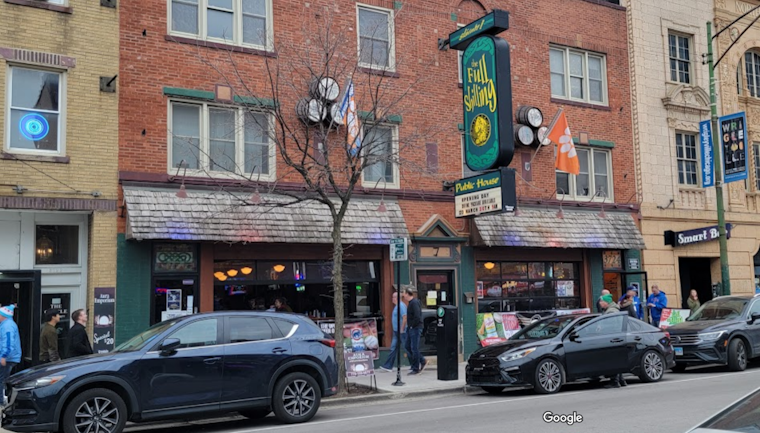
As autumn arrives in Chicago, bringing with it sweater weather, residents continue to seek refuge in the city’s ever-popular bars and restaurants. But behind the vibrant food scene lurks a harsh reality: the hospitality industry remains a challenging environment, as evidenced by the recent closures of several establishments throughout the city.
Yesterday, September 26, Eater Chicago reported a string of closures, including Wrigleyville’s Full Shilling Public House, which had been in operation for 20 years, and the El Xangarrito Mexican restaurant in Lincoln Square. These closures are only the tip of the iceberg. Earlier this year, Axios documented even more businesses that closed their doors, including iconic establishments like Reza's in Andersonville and Fork in Lincoln Square.
One striking example is the Oswego Brewing Company, a popular beer maker located about an hour outside of Chicago. In an emailed statement, brewery managers said the reasons for its closure were "many and varied," with its primary cause being the long-lasting impact of the COVID-19 pandemic. They explained that shutdowns damaged their business model, while their taproom population never rebounded to pre-COVID numbers.
Other establishments have not survived past the one-year mark, such as Dear Madison in the West Loop and Smokeshow BBQ in Naperville, showing that new businesses face an uphill battle too. Some longer-standing icons of the city, like Reza's and Fork, have not fared much better. The former, a 40-year-old Middle Eastern restaurant, had become synonymous with the neighborhood of Andersonville. However, despite closing its original location, Reza's owners plan to keep their Evanston and Oak Brook venues open, indicating that there is still hope for some established restaurants to weather the storm.
The increasing number of closures is indicative of the continuing struggle for many businesses who, hit hard by the pandemic, are now also grappling with problems such as inflation, rising labor costs, and changing consumer habits. As another Axios article points out, Debonair Social Club in Wicker Park found itself closing permanently after city code violations, a recent shooting, and 17 years of operation — a lifetime in the nightclub industry.
These closures are a sobering reminder of the challenges facing Chicago’s hospitality industry; however, the city's food scene is far from doomed. The announcement of new closures has often been accompanied by the launch of exciting future projects, taking inspiration from failed ventures or pivoting to different concepts altogether.
For example, El Xangarrito's owners, spouses Rogelio and Erika Benitez, stated on Instagram that they have a "big project for the future" in the works – a testament to their unwavering commitment to contributing to Chicago's rich culinary landscape. In this sense, the closures are not only a reflection of the obstacles faced but also an opportunity to learn, innovate, and ultimately rise again.





