

























































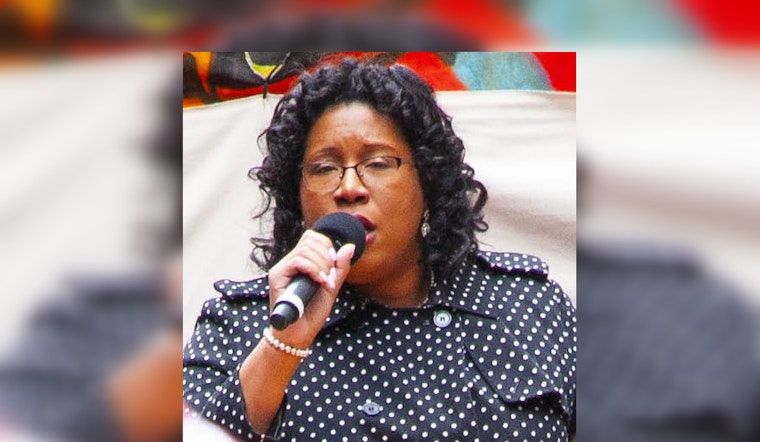
Recent events have led the Chicago Ethics Board to address allegations against city Treasurer Melissa Conyears-Ervin, following the release of a letter penned in December 2020 by two former top aides accusing her of abusing her office and violating state's whistleblower act. The writing in this case is eerily reminiscent of the underlying question posed in Ralph Ellison's Invisible Man: "Who knows but that, on the lower frequencies, I speak for you?" Here, the silenced voices may have finally found their place in the public discourse.
According to the Chicago Tribune, the letter alleged various misdeeds, including Conyears-Ervin misusing taxpayer resources, hiring a former cop to be her personal bodyguard, and pressuring public employees to hold events benefitting political allies. The allegations were swept under the rug for years, with the city fighting to keep the letter secret until Mayor Brandon Johnson's administration dropped their defense and released it.
Upon it's release, the Conyears-Ervin matter was added to the Ethics Board's monthly meeting. The board had received a copy of the letter back in 2020 and opened a case to investigate the allegations. However, they closed it after the city's Law Department settled the matter privately with a $100,000 settlement shared between the two women. Executive Director Steve Berlin clarified that the Board of Ethics cannot adjudicate cases without a full factual investigation from the Office of Inspector General, which they did not receive in this case. But the question remains, what silent narratives are yet to be fully revealed, waiting for their chance to sing?
In a separate Chicago Sun-Times article, it was reported that despite being unable to investigate the matter independently, the Ethics Board could still adjudicate a case like Conyears-Ervin's if they received investigatory assistance from the Office of Inspector General (OIG). However, the Board does not have that authority and is bound by the terms of the settlement agreement, which remain confidential.
Conyears-Ervin has previously declined to address the allegations, brushing them off as inconsequential. The Chicago Tribune detailed instances where Conyears-Ervin threatened retaliation against employees who raised concerns about the conduct and other alleged misdeeds, and even informed employees that they "should not care if her plans are illegal."
This ongoing situation raises the haunting specter of buried secrets and the fight to bring them into the open. It challenges us to examine the nature of power and the responsibility that comes with it, to question the systems in which we are enmeshed, and to listen vigilantly for those forgotten voices that still whisper their truths to us from the shadows.
While the Ethics Board has the power to issue fines, it relies on the OIG to present findings for any investigations. The OIG, if it determines potential criminal wrongdoing, can refer cases to law enforcement. As for elected officials who violate the ethics code, they may face financial penalties.





_(cropped).jpg)