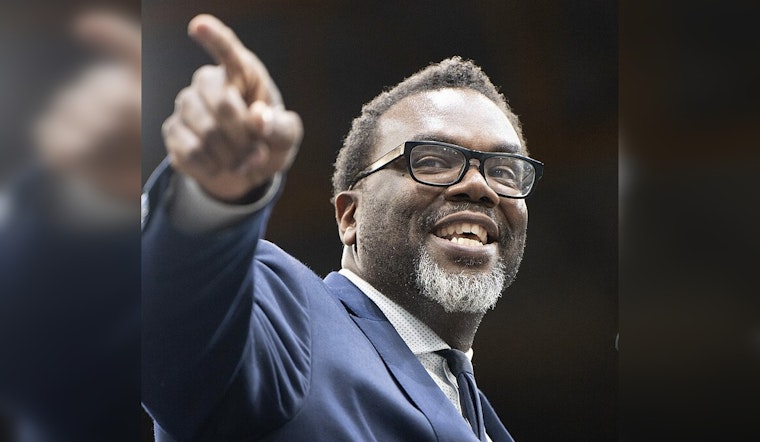
Chicago stands on the brink of a financial storm, with a projected $538 million budget shortfall for 2024, according to a Chicago Sun Times article. More than a third of the shortfall – a staggering $200 million – is tied to the ongoing migrant crisis, which has strained the city's resources and sparked tension among its leaders and citizens. As the city's budget woes escalate, Mayor Brandon Johnson must walk a tightrope between addressing the immediate needs of asylum-seekers and the growing demand for reducing Chicago's existing homeless population.
The budget hole Johnson inherited includes unresolved pension costs and new five-year contracts, among other pressing financial issues. Notably, Johnson decided against increasing property taxes to match inflation, a decision that accounts for $90 million of the budget shortfall. He also reversed former Mayor Lori Lightfoot's plan to offload $45 million in pension costs to Chicago Public Schools, as WTTW News reported.
Chicago's budget difficulties come amid a growing sense of urgency to address the rising influx of migrants, primarily asylum-seekers arriving from the southern border. Per the Sun Times, nearly 40 migrants fly into Chicago every day, in addition to the numerous bus caravans filled with asylum-seekers. In a bid to manage the escalating humanitarian crisis, Johnson plans to move over 2,000 asylum-seekers from Chicago police stations and airports into large tent cities. However, these "winterized base camps" could add an estimated $5 million to the migrant crisis costs every month, a major challenge for a city already struggling with its finances.
As Chicago allocates more resources toward addressing the migrant crisis, a faction within City Council has voiced concerns about fairness and balance, particularly when it comes to tackling homelessness amongst Chicago's citizens. Ald. Walter Burnett (27th), a lifelong advocate for the homeless, has called for an equitable approach to both issues. "We have veterans that are homeless ... We have folks who have been waiting on apartment lists for like, years. And these folks are getting vouchers to get an apartment in six months. And it's not fair. We've got to figure out a way to balance this out," Burnett said during discussions on the issue, according to the Chicago Sun Times.
As the city navigates the delicate balance between addressing the migrant crisis and the growing issue of homelessness, tensions are rising. The Council's Budget Committee recently approved a $33 million federal grant from the U.S. Department of Homeland Security, but this represented only a temporary solution, covering just a few months of past and future spending. According to the same Sun Times report, the full cost of dealing with the migrant crisis will likely exceed $300 million by the end of next year. Furthermore, the transparency in how these funds have been and will be allocated has raised concerns among council members who want more clarity on spending details.
Chicago's financial situation is further complicated by the much-faster-than-anticipated recovery from the COVID-19 pandemic and the city's receipt of nearly $2 billion in federal aid to help it navigate the economic catastrophe of the pandemic. Johnson's administration must decide how to allocate these funds to close the budget gap and address the city's many pressing issues. Concurrently, rising pension payments will continue to weigh on the city's finances.