

























































As the relentless grip of drug overdose-associated deaths escalates in San Francisco, the city has recently received a grant from the Centers for Disease Control and Prevention (CDC) to bolster overdose prevention initiatives. The CDC's Overdose Data to Action (OD2A) program has granted $2.25 million per year for five years to the San Francisco Department of Public Health (SFDPH), amounting to a vital $11 million federal investment. A press release by London Breed, Mayor of San Francisco, details the allocation of this major funding support.
The introduction of fentanyl into the illegal drug supply has swept the nation, skyrocketing the number of overdose deaths to crisis proportions. Data from the Office of the Chief Medical Examiner reveals that nearly 80% of drug overdoses in San Francisco involve fentanyl. Additionally, a staggering 30% of those deaths impact the African American community, which represents less than 6% of the city's population. The OD2A grant aims to fortify partnerships between public health, behavioral health, local health systems, public safety entities, and community-based organizations while ensuring that collected information is used to optimize life-saving, evidence-based programs.
Addressing the disparities existing in overdose rates and drug utilization among San Francisco's diverse communities, Mayor London Breed emphasizes that "this is a crisis that goes well beyond our City borders." The Mayor thanked the CDC and federal partners for supporting beneficial efforts in San Francisco and across the United States to fight the persistent and widespread public health crisis.
Offering profound assistance to the nation, the CDC's OD2A grant program enhances the response to the opioid epidemic by supporting jurisdictions with accurate, comprehensive, and timely data on nonfatal and fatal overdoses. Mayor Breed's press release states that key elements of SFDPH's utilization of the grant will include the following: amplifying substance use and overdose prevention coordination, enlisting peer overdose prevention champions in Black/African American organizations, and developing navigators' roles in connecting people to care across seven San Francisco hospital emergency departments and community-based treatment programs. Moreover, the funding will increase overdose prevention activities and resources in supportive housing and scale up data-driven prevention and surveillance efforts.
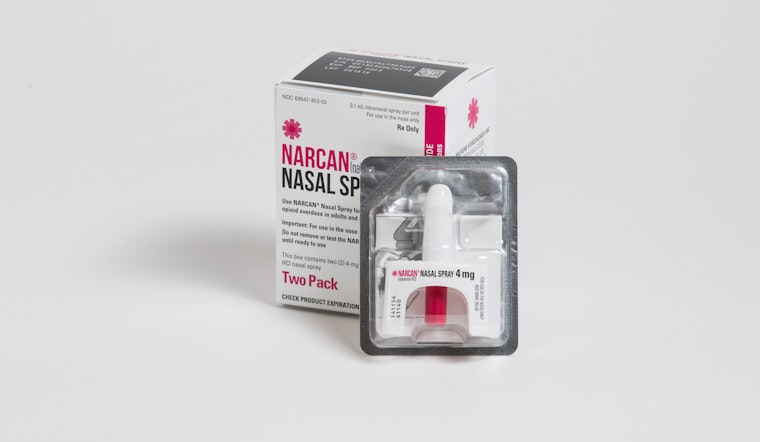
Complementing the city's existing programs, San Francisco is already working rapidly to respond to overdoses in a myriad of ways. Actions include augmenting access to crucial addiction treatment medications, extending hours at SFDPH pharmacies and clinics, deploying mobile clinics and care teams to neighborhoods with high overdose rates, and bolstering addiction care teams' efforts to help individuals find the right path to recovery. In addition, naloxone distribution is being increased across the City. From January to June 2023, SFDPH and community partners had already distributed over 73,000 doses of the life-saving opioid overdose antidote, including for fentanyl overdoses.
Director of Health Dr. Grant Colfax highlights that "no one should die from a drug overdose in San Francisco," emphasizing the success of community-based strategies. Collaborating with emergency departments and community-based organizations, the funding will support the Black/African American community's initiatives to reduce the impact of overdoses. Grant Baldwin, PhD, MPH, Director of CDC's Division of Overdose Prevention, shared the excitement for awarding the grant to San Francisco in order to back the ongoing struggle against drug overdoses. Through the OD2A program, the CDC continues to empower communities with the necessary tools and resources to assemble and analyze data that informs prevention activities with meaningful local impact.
Mayor Breed's new budget acknowledges the urgency of addressing homelessness, mental illness, and substance use disorders. The budget maintains efforts launched earlier, including the ongoing expansion of 400 new treatment beds, the implementation of Mental Health SF, funding for overdose prevention services in high-risk settings such as single-room occupancy hotels (SROs), addiction care specialists in Zuckerberg San Francisco General Hospital's emergency room, and comprehensive street outreach work. Supporting these programs, the budget expands contingency management initiatives and is set to launch CARE Court implementation.
To learn more about San Francisco's overdose prevention strategies, visit their official website.





