

























































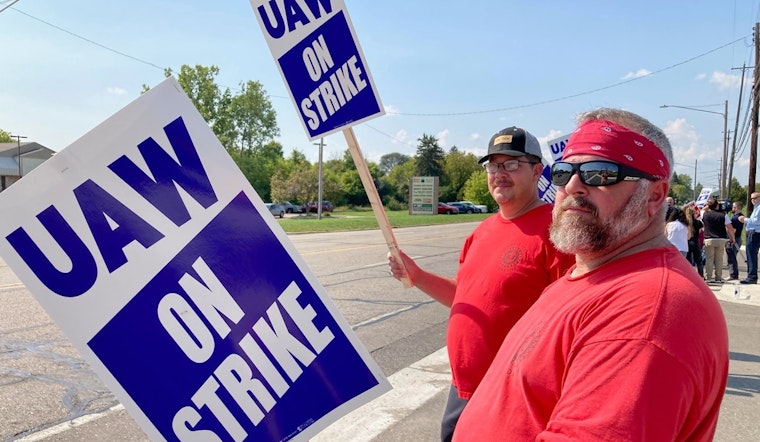
The United Auto Workers (UAW) strike has taken a significant step forward, as union president Shawn Fain called on all UAW workers at General Motors (GM) and Stellantis parts distribution centers across the country to join the strike over demands for higher wages, a shorter work week, and other benefits. The expansion now affects 38 locations in 20 states, including two in Illinois: a GM Parts Distribution Facility in Bolingbrook and a Stellantis plant in Naperville. This decision puts added pressure on the auto industry, particularly GM and Stellantis, as they face the need to invest in electric vehicles while dealing with the striking workers. NBC Chicago reported that the strike started on September 14, and now involves fewer than 13,000 of the union's 146,000 members. Ford assembly centers were excluded from this call, as significant contract talks had taken place, showing Ford's seriousness in reaching a deal.
In their demands, the union aims to seek a wage increase of 36% over four years, end lower pay scales for new workers and implement a 32-hour work week for 40 hours of pay. However, the auto companies argue that they cannot afford the union's demands as they need to invest their profits in the costly transition from gas-powered cars to electric vehicles (ABC7 Chicago). Despite the ongoing negotiations, both sides remain far apart on wage increments.
The auto companies have currently offered a little over half of the demanded wage increment, countering with a 20% pay increase. As the UAW strike continues, the impact on car lots around the country has yet to be felt significantly. Analysts anticipate that it will take a few weeks for the strike to cause a considerable shortage of new vehicles. However, the prices of cars could rise even sooner if the prospect of a prolonged strike triggers panic buying among consumers.
This crucial expansion of the strike comes as Fain faced a close election in March to unseat the previous UAW president. He has followed an unusual strategy of negotiating simultaneously with all three of Detroit's big carmakers (NBC Chicago). Meanwhile, Unifor, the union representing Canadian auto workers, has adopted a more traditional approach by targeting a single company at a time. Last month, they targeted Ford and reached a tentative agreement just hours before the strike deadline. Unifor expects that GM and Stellantis will agree to similar contracts for Canadian workers if the deal is ratified.
As the strike continues, tensions are rising in Detroit leading up to Fain's scheduled announcement. NBC Chicago reported that a Detroit News article revealed a message by a spokesman for Fain, stating that union negotiators aimed to inflict "recurring reputations damage and operational chaos" on the carmakers, with the intention to keep them wounded for months. Ford and GM seized on these messages as a sign of bad faith by the UAW. GM said in a statement, “It's now clear that the UAW leadership has always intended to cause months-long disruption, regardless of the harm it causes to its members and their communities.” Ford spokesman Mark Truby called the messages “disappointing, to say the least, given what is at stake for our employees, the companies, and this region.” The UAW spokesman, Jonah Furman, did not confirm writing the messages and called them “private messages”.





