

























































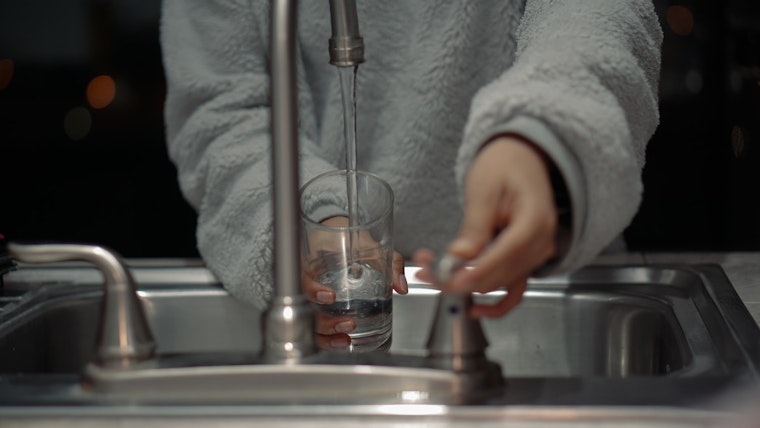
City officials in Boston are issuing a warning related to the health and wellbeing of its residents, after recent tests conducted by the Boston Water and Sewer Commission detected elevated lead levels in the drinking water of more than 15% of tested homes. Among the 33 properties identified as high risk, six exceeded the federal action level for lead in drinking water, set at 15 parts per billion, as detailed by the Boston Herald.
While the Massachusetts Water Resources Authority (MWRA) assures that Boston's water mains are free of lead upon exiting the reservoirs, it can still enter the water supply through lead-made service lines connecting homes to the main supply. Additional sources of lead exposure include lead solder used in home plumbing and older brass fixtures and faucets. Lead in drinking water is particularly detrimental to infants, young children, and pregnant women, inhibiting physical growth and mental development, and adversely affecting fetal health as noted by experts at the Boston Water and Sewer Commission.
On a mission to hasten the abatement of potential health hazards posed by lead exposure, the Boston Water and Sewer Commission is providing eligible customers the opportunity to, at no cost, replace their lead service lines. Over 240 lead service lines have been eliminated in the past year due to these efforts. The commission remains committed to proactively engage with property owners having suspected lead service lines and encourages customers to benefit from the free lead replacement program, ensuring that better health for our community members is prioritized.
The need for comprehensive public education and awareness is significant to quickly act and address a problem of such magnitude. As delineated in the press release by the Boston Water and Sewer Commission, intensified monitoring, provision of public educational materials, and the removal of additional lead service lines are paramount in addressing the issue.
John Sullivan, Chief Engineer for the Boston Water and Sewer Commission underscored the importance of reducing lead exposure with this statement: ”The longer water is in contact with plumbing materials which contains lead, the greater risk there is that lead will infiltrate the drinking water." In response to this risk, customers are recommended to flush out stagnant water for a span of 30 seconds to 2 minutes or until it feels cold, before drinking or cooking with it.
A unified effort from city officials, property owners, and residents is needed to successfully confront the threat of lead contamination. While the Boston Water and Sewer Commission works to identify and address potential water supply hazards, it is crucial for residents to be vigilant and take necessary steps to protect their families from the danger of lead exposure.





