

























































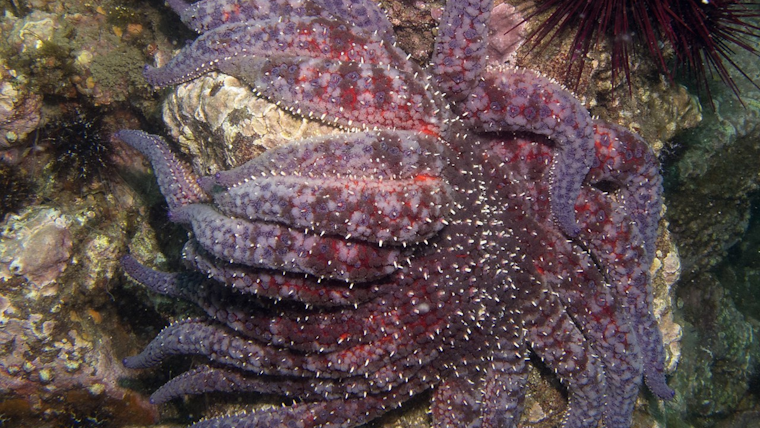
Today, marked a breakthrough in the field of species conservation, thanks to the Birch Aquarium at Scripps Institution of Oceanography at UC San Diego. They announced the successful spawning of three Sunflower Sea Stars, only the second time for this event to occur within their walls. The institution's achievement on this date has been detailed in a press statement from Birch Aquarium at Scripps.
This profound spawning achievement was achieved by the efforts and partnerships of various organizations such as the Aquarium of the Pacific, Steinhart Aquarium at California Academy of Sciences, San Diego Zoo Wildlife Alliance, and the Sunflower Star Laboratory. These organizations united under the Association of Zoos and Aquariums (AZA) Saving Animals From Extinction (SAFE) Sunflower Sea Star program, dedicated to preserving this species and restoring the kelp ecosystems along the West Coast.
Importance of this event isn't lost on Melissa Torres, Assistant Dive Safety Officer and Aquarist at Birch Aquarium. Recognizing Sunflower Sea Stars as functionally extinct in California and Oregon, she credits the combined efforts of the AZA SAFE Sunflower Sea Star program participants in creating a 'Roadmap to Recovery.' This comprehensive, multi-part initiative aims to restore the dwindling West Coast Sunflower Sea Star population.
Jenifer Burney, senior aquarium and co-chair at the AZA SAFE Sunflower Sea Star Program, emphasizes the importance of the gathered effort of individuals and institutions. The Sunflower Sea Star's crucial role in its ecosystem was underscored, as they regulate the sea urchin population. The Sea Star Wasting Disease, has deeply impacted this species, hitting them the hardest of all sea star species - particularly in warming waters.
Invertebrate reproduction in captivity poses major challenges. Sea stars rely on broadcast spawning - the release of male and female gametes into the open water for chance encounters and fertilization. Birch Aquarium removed this randomness to increase success rates. The resultant spawn-inducing hormone mix allowed for the captive spawning of Sunflower Sea Stars.
To shop aim is to reestablish local sea star populations within the next five to ten years. This will be achieved by coordinating effort between Birch Aquarium and its SAFE Sunflower Star Program partners with an aim to spawn and cross-fertilize male and female sea stars. The expertise and resources of the partnering institutions working together may shape the future of Sunflower Sea Star conservation and play a key role in restoring the West Coast's kelp forest ecosystems.



.jpg)