

























































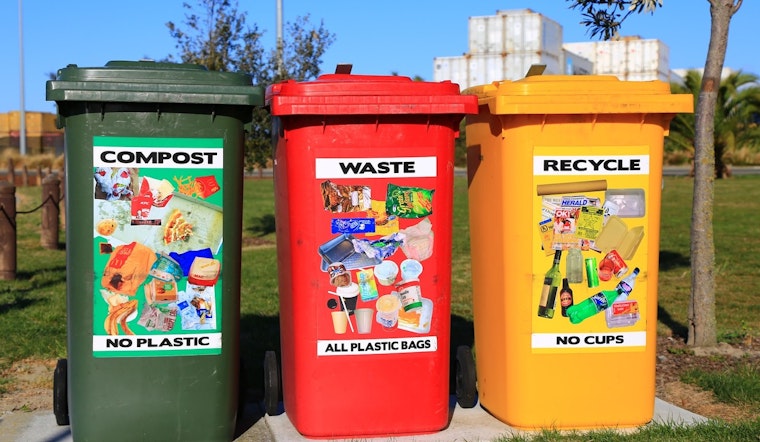
Mayor Brandon Johnson, in association with the Department of Streets and Sanitation (DSS), declared the launch of Chicago's inaugural citywide composting scheme yesterday, October 16. The novel Food Scrap Drop-Off program offers citizens the means to divert domestic food waste away from landfills, taking meaningful measures in mitigating the climate change crisis and promoting a healthier community. An official press release illustrates the city's commitment to environmental sustainability and waste management.
The program already offers 15 drop-off locations across the city, where residents can discard their food waste stored in sealed containers. This waster, after collection, is transferred to a composting facility to be converted into compost—a crucial resource for boosting soil fertility.
Mayor Johnson stressed the significance of composting in response to the climate crisis and in minimizing the damaging greenhouse gases discharged when organic food waste decomposes in landfills. "The provision of composting facilities to all Chicago residents enables us to repurpose organic waste and crucially foster healthier communities throughout our city," he commented.
In cooperation with city allies, The DSS has managed to offer composting facilities to Chicago residents, aiming to meet the city's climate action goals and escalate its material diversion rate. The DSS's top dog, Commissioner Cole Stallard, gave thanks for the bolstered resources allocated to this initiative and reaffirmed the commitment of his department toward the successful execution of this program.
This composting program encourages the reduction of waste by accepting all types of food remnants, which include meats, bones, dairy products, and fruit and vegetable scraps. Angela Tovar, who is the Chief Sustainability Officer for the city of Chicago, commended the initiative for its potential to decrease waste disposal and harmful environmental consequences by recycling organic waste effectively. This is seen as part of a larger scheme emphasizing the significance of circular systems in Chicago, prioritizing reduction, reuse, recycling, and repair instead of landfill disposal.
This composting initiative in Chicago is part of a growing trend across the country that emphasizes environmentally sustainable practices. San Francisco initiated its requirement for residential curb-side composting earlier in 2022, becoming the first city-states to do so, as reported by SF Rec & Park. According to the Department of Sanitation (DSNY), New York City has also expanded its residential organics collection program. Such efforts from big cities across the United States highlight a joint awareness of the pressing issue at hand and the necessity to prioritize sustainability and tackle the climate crisis through waste management.
As Chicago moves forward with this novel composting scheme, widespread adoption and understanding will be key in reaching the scheme's maximum potential. An explanation of the details, how to sign up for designated drop-off sites, and the items accepted and declined, can be found at chicagorecycles.org.



