

























































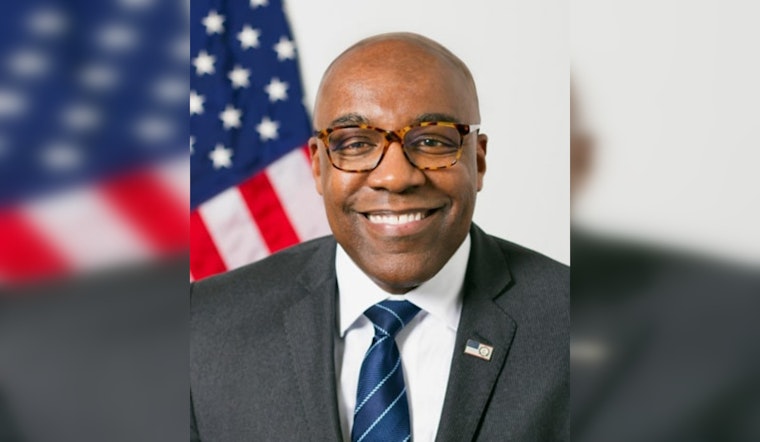
Chicago's Attorney General Kwame Raoul is leading a coalition of 13 attorneys general in favor of the U.S. Environmental Protection Agency's (EPA) proposed measures, aimed at enhancing dust-lead hazard standards and levels after abatement.
The measures, sanctioned by the Toxic Substances Control Act (TSCA), intend to safeguard the public from the hazards of dust-lead and lead paint, particularly in environmental justice communities such as low-income and communities of color.
"The EPA should prioritize its proposed measures to protect communities in Illinois, and nationwide, from dangerous lead exposure," Raoul urged, as detailed by the Illinois Attorner General's office.
Per a lead surveillance report by the Illinois Department of Public Health, children residing in high-risk zip codes are twice as likely for having elevated blood-lead levels compared to children in low-risk zip codes. The report also underscored the disproportionate lead exposure incidence on Black or African American children, who have higher blood-lead levels compared to other demographic groups in the state, according to the statement.
The attorneys general coalition, in their comment letter, affirmed the EPA's attention to scientific studies indicating that there isn't a safe level of lead exposure. They highlight the myriad adverse effects potentially stemming from even low levels of lead exposure, such as developmental delays and academic performance issues in children.
Concerns about lead exposure transcend Illinois state borders, as communities across the nation continue to grapple with the wide-reaching impacts of lead exposure.
Beyond lauding the EPA's measures, Raoul and his coalition also call for the EPA to address lead in soil and redefine lead paint, aiming for a comprehensive approach towards reducing health impacts from lead exposure.
Alongside Raoul, the coalition comprises attorneys general from California, Delaware, the District of Columbia, Hawaii, Maryland, Massachusetts, Minnesota, New Jersey, New York, Oregon, Pennsylvania, and Rhode Island. They champion a vision of more robust standards and improved post-abatement levels — a strive towards equitable future for all, as the Illinois Attorney General's office reports.




