

























































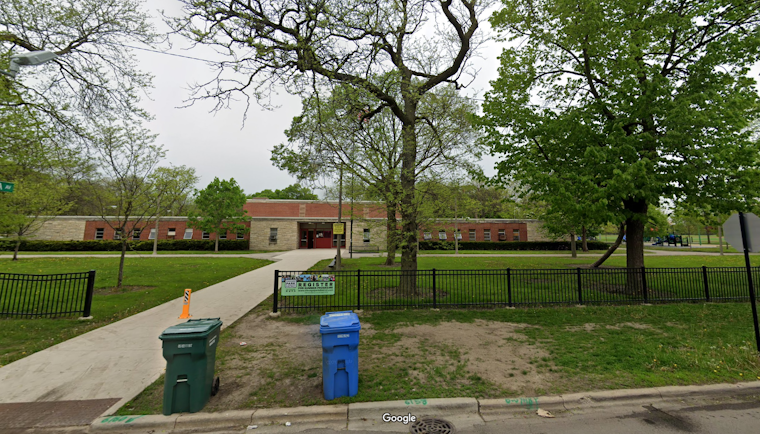
Chicago residents' concerns over public facilities being used to house migrants highlight the need for balance in a vulnerable community. The city's proposal to house migrants near Amundsen Park in Galewood intersects local worries about losing resources, and the empathetic call to help the displaced. This issue emanates from the ongoing challenge of managing the migrant influx in Chicago, placing the city in a quandary with its residents.
As Chicago Sun-Times reports, using public buildings like the Amundsen Park Fieldhouse to house migrants has led residents, such as Sarina Knudtson, to question whether it's right to concentrate the migrant housing burden on specific communities. Knudtson, supportive of migrants and immigrants, emphasizes her fears about the impact of housing arrangements on local youth. Advocates like Knudtson urge the city to conceive sustainable, equitable solutions that address migrants' needs and locals' rights to resource preservation.
Residents have now started taking legal actions against the use of public buildings for migrant housing, as highlighted by Hoodline. They accuse the city of zoning ordinance and federal safety standard breaches, coming amidst growing dissatisfaction with the city's strategies. City residents' attorney, Frank Avila, is urging the city and federal government to review funding and consider nationwide housing burden distribution.
Mayor Brandon Johnson plans to visit the U.S.-Mexico border to observe the crisis first-hand, as Chicago shelters nearly 10,000 residents and 3,167 migrants to quickly find placement, Hoodline reports. However, this single decision might not mend local government-community tensions. Residents report feeling neglected, with Mayor Johnson, a local himself, noticeably absent from meetings discussing the issue.
Chicago's potential move to alternate sites such as 1900 N. Austin Ave for migrant housing is a bid to support migrants while preserving local resources.





