

























































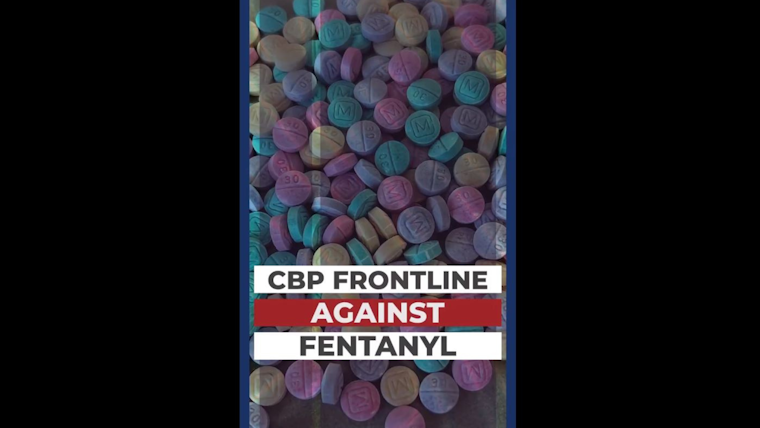
The Department of Homeland Security (DHS) has escalated its efforts to fight against fentanyl and synthetic drugs, in conjunction with Customs and Border Protection (CBP). This enhancement will continue to combat the opioid crisis as part of the Biden Administration's Unity Agenda Strategy, per the U.S. Customs and Border Protection.
The CBP Strategy to Combat Fentanyl and Other Synthetic Drugs will achieve a whole of-CBP approach against fentanyl and allow CBP to lead a government effort against illicit synthetic drugs. #FrontlineAgainstFentanyl
— CBP (@CBP) October 26, 2023
Read more about this Strategy: https://t.co/j1cQQ7gS6n pic.twitter.com/KeVxKVmL1b
Recently, in a San Diego press conference, CBP Senior Official Troy A. Miller announced an updated stance supported by state, local, and federal law enforcement agencies. CBP simultaneously launched Operation Apollo, focusing on the synthetic drug issue. With its stature as America's largest law enforcement agency, CBP is particularly equipped to detect and interdict these illicit substances before they infiltrate and potentially devastate communities.
DHS Secretary Alejandro N. Mayorkas underscored CBP's vital role in this initiative and elaborated, "The Department of Homeland Security is using every available tool to battle the tide of fentanyl and other illegal synthetic narcotics."
CBP.gov detailed that the 2023 CBP Strategy to Combat Fentanyl and Other Synthetic Drugs efficiently allocates resources, fosters partnerships, and leverages extensive knowledge to enhance enforcement intelligence and data-driven operations. Building upon the successes of earlier operations - Operation Blue Lotus and Operation Four Horsemen - this strategy also focuses on targeting finished fentanyl products at the Southwest border.
Moreover, during the four-month Operation Artemis, aimed at stopping the entry of precursors and other materials used for production, CBP executed over 900 seizures. These included more than 13,000 pounds of fentanyl precursor chemicals, 142 pill presses, 325 pill molds, and other synthetic drugs.
The updated strategy plans to widen its scope, considering the dynamic nature and spread of synthetic drugs. This involves keeping up with the innovations made by transnational criminal organizations and using actionable intelligence to impact the synthetic drug trade. Central to the CBP's plan is fostering collaboration, generating valuable intelligence, executing coordinated operations, and ensuring the security of CBP personnel and communities.
The immediate enactment of Operation Apollo stands at the heart of this updated approach. This new joint operation in Southern California, led by CBP, focuses primarily on intelligence collection. Various state, local, and tribal law enforcement organizations, as well as federal agencies within DHS, are participating. Operation Apollo aims to craft enforcement intelligence related to trafficking networks in Southern California, revealing operations, routes, and methods used by criminal networks to produce and transport fentanyl-related materials throughout the nation.
As indicated by CBP.gov, this updated approach emanates from the expanded fentanyl production outside China, venturing into Mexico and other transition countries. The legitimate import and export of precursors further complicate disrupts attempts to prevent these substances. However, by focusing on suspicious locations and recipients involved in illicit activities, CBP seeks to thwart the supply chain of fentanyl analogues, methamphetamine, and other synthetic drugs.





