

























































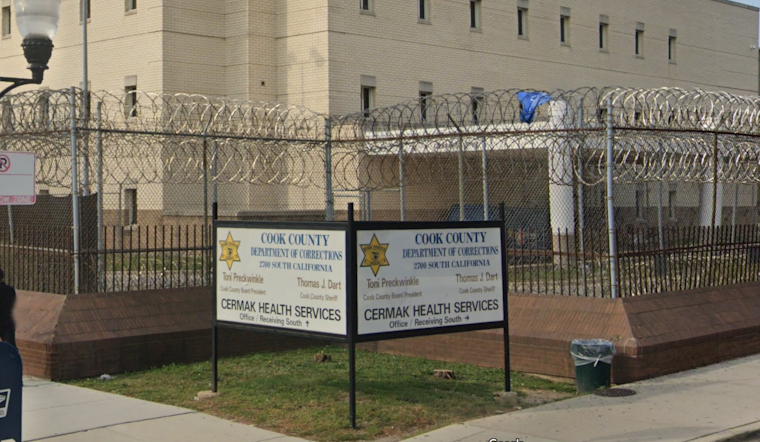
Illinois' recent bail reform measures, effective from September 18, reduced the Cook County jail population by over 500 inmates, reports the Chicago Tribune. These measures abolished cash bail and revamped the pretrial court system with intentions of fostering fairness and curtailing incarceration. Observers are studying the new system's early operations, identifying its strengths and hurdles while acknowledging expected implementation difficulties.
Although Cook County has witnessed a major population drop in its jails, the new measures have strained resources in some downstate counties. According to Scott Schultz, the chief public defender in Calhoun and Jersey counties, two of Illinois' smallest, implementing a completely new system constitutes a learning curve.
Prior to this, Cook County had initiated reforms in September 2017, focusing on decreasing bail as a release condition. This resulted in a gradual reduction in jail population, as noted by a Chicago Sun-Times report. The continued decrease in Cook County's jail population post recent bail reforms indicates a favorable trend in establishing a fairer pretrial system and minimizing incarceration.
As courts, prosecutors, and law enforcement adjust to the new law, experts anticipate fluctuations in the jail population. Concerns surrounding potential overuse of electronic monitoring as a jail alternative have been raised. But data analysis by the Chicago Sun-Times reveals only a slight increase since August in defendants on electronic monitoring in Cook County, hinting that judges are demonstrating restraint in their use.
Detailed, longer detention hearings are another significant impact. These hearings encourage in-depth discussions between clients and their attorneys at the outset of criminal proceedings. Despite certain procedural ambiguities yet to be resolved, stakeholders are optimistic that these new processes will improve over time and further the cause of justice.
Similar decreases in incarceration rates are being shared by other localities in Illinois following the abolition of cash bail. Instances include the Lake County Adult Corrections Facility in Waukegan, where a sharp drop in population has been noted. The future implications of the Pretrial Fairness Act on the rates of jail admissions and duration of detentions are yet to be seen.
David Olson, a criminologist at Loyola University Chicago, mentioned to the Chicago Sun-Times that judges appear to thoroughly evaluate each individual as the law instructs — their safety risk to the public, criminal habits, any violent history, and more. This points to the early success of bail reforms in promoting pretrial fairness and justice.





