

























































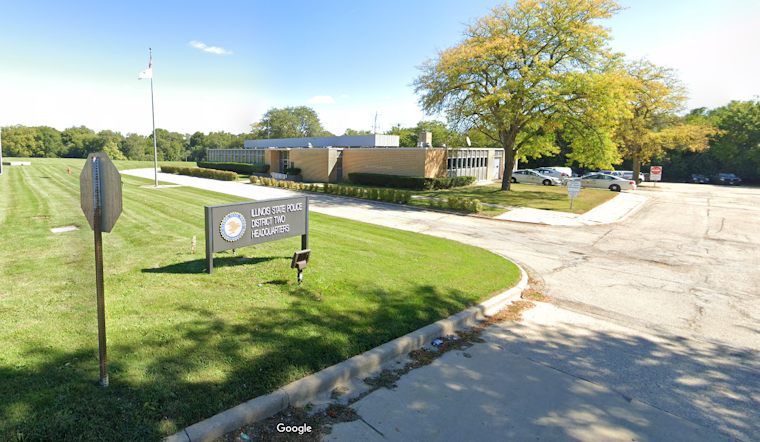
On Friday, October 13, the Illinois State Police (ISP) debuted the inaugural Illinois Law Enforcement Response to Homelessness Guidebook. This guidebook aims to equip law enforcement agencies and officers throughout the state with pragmatic tools and resources to tackle the escalating homelessness issue. The guidebook entails planning tools, training resources, policy examples, and local resources with a goal to foster a safer and more inclusive environment for all residents, specifically individuals facing homelessness.
ISP Director Brendan F. Kelly noted that law enforcement officers, due to frequent interactions with varied population groups, including homeless ones, are often poised to disseminate information about available community resources and programs. The guidebook thus aspires to empower officers in linking individuals to long-term homelessness prevention and termination solutions.
In the guidebook, successful homelessness-shielding strategies and programs from other jurisdictions are scrutinized. To swiftly handle homeless encampments, property seizures, and homeless court systems, the role played by specialized units like Homeless Outreach Teams (HOTs) is highlighted. Additionally, the guidebook underscores the significance of police training on homelessness and innovative tech and data-sharing uses, along with resource-sharing regional partnerships and funding mechanisms for homeless aid programs.
Many police departments nationwide have adopted a promising approach highlighted by the Police Executive Research Forum known as the establishment of HOTs, according to ISP. Such specialized units frequently team up with mental health service providers, in order to connect homeless individuals with requisite services and resources. Consequently, the adopted co-responder model, which pairs patrol officers with mental health service providers, have been effectively improving access to services for homeless individuals. Implementing analogous practices in Illinois can ameliorate interaction and communication with the homeless populace.
Project NOW Community Action Agency Executive Director Dwight L. Ford underscored the importance of law enforcement community partnerships in addressing homelessness. Labeling the guidebook a "living testament of our collective will", Ford expressed that, he hopes the guidebook would become the "North Star" in directing aid efforts towards the homeless.
The success of the guidebook is attributed to the collaborative efforts of numerous stakeholders including the Illinois Department of Human Services Office to Prevent and End Homelessness, various Police Departments, the Madison County Sheriff's Office, Illinois Associations of Chiefs of Police, and Project NOW Community Action Agency.
The law enforcement leaders have lauded the guidebook. Fairview Heights Police Department Chief Steve Johnson expressed, "The problem is what we do with individuals who have mental health needs, drug behaviors and resist change or help? The guide will not be a panacea for all problems but is a valuable stepping stone for local governments to kickstart the process of aid for every citizen.” Police departments across Illinois are optimistic that the guidebook will help enhance their understanding and response to the multifaceted homelessness issue.
Illinois law enforcement agencies now have at their disposal improved resources to assist their efforts in reducing and preventing homelessness, using the guidebook as a reference. As expressed by Patrol Officer Sadie Pristave of DeKalb Police Department, "We will use this guide to identify the best practices to assist those in need of shelter, and will collaborate with other community agencies to aid populations in need."





