

























































The City of San Diego is proactively confronting the challenges posed by climate change. With an ambitious climate resiliency plan in action and a climate resilient implementation tracker in place, the City's response measures report progress transparently. The tracker is available on the City of San Diego's website, providing regular public updates on both City actions and progress on climate resilience strategies.
Climate Resilient SD, adopted in 2021, counters the four primary climate change hazards—extreme heat, sea level rise, flooding/drought, and wildfires. The City is evidently working towards achieving its goals in maintaining essential services, informing and connecting communities, and safeguarding natural environments and cultural resources. There are 86 strategies within the adopted goals and the tracker reports the progress of each.
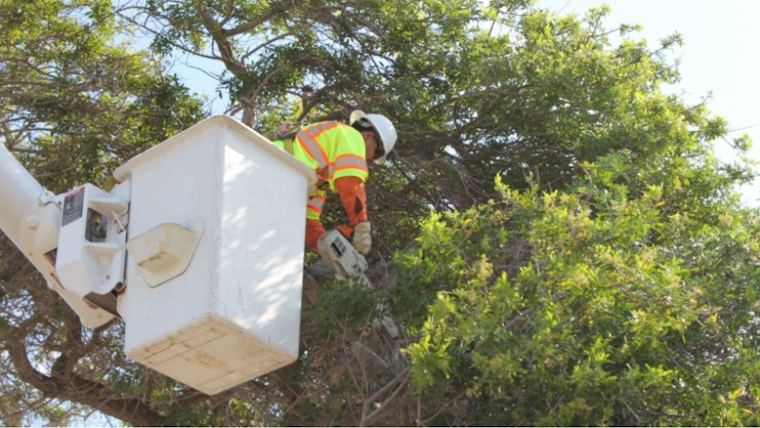
Significant accomplishments of the Climate Resilient SD initiative include the Urban Tree Canopy Fee established in August 2022. This initiative promotes plantings and maintains street trees, mitigating climate change effects. The city planted 1,237 new trees, contributing to local climate resilience and promoting a greener urban environment.
Sequentially, the City continued the construction of Pure Water SD Phase 1 facilities, with plans to expand into Phase 2 by 2035. The Pure Water SD system will supply nearly half of San Diego's drinking water, reducing dependence on imported water and securing a sustainable water supply.
As part of the plan, the City also implemented eight renewable microgrids that reduce energy consumption, GHG emissions, and energy costs. In order to prepare for climate change-related hazards, the City's Office of Emergency Services trained City employees and community members, enhancing city-wide resiliency.
Anticipating future climate resilience needs, San Diego emphasized interdepartmental coordination, particularly for the preservation of cultural heritage. The City Planning Department collaborated with tribal liaisons for this purpose, consulting with representatives of the Kumeyaay Nation on Climate Resilient SD initiatives.
Collective action within the City was also underlined by the Stormwater Department. Collaborating with two local nonprofits, community cleanup events across the City were organized, resulting in 43,000 pounds of trash removal by 2,800 volunteers. This operation emphasized community engagement and cooperation as instrumental in combating climate change.





