

























































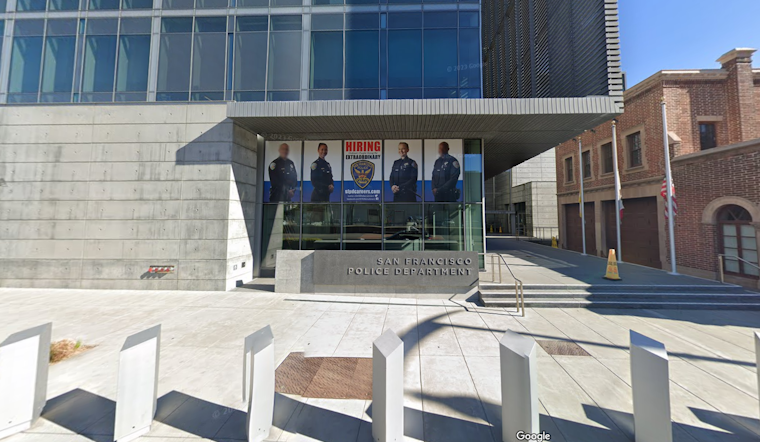
In a bid to curb the ongoing organized retail theft crisis in San Francisco, the city's police department (SFPD), recently announced a new citywide action plan. Launched this Friday, October 6th, the "blitz enforcement operations" have already resulted in multiple arrests and recovered stolen goods, according to official reports by the SFPD.
Supported by a $15.3 million state grant, this new wave of enforcement operations is specially designed to tackle organized retail crime citywide. The early success of this initiative can be largely attributed to collaborations between the SFPD and the retail community. Alongside the city's action, however, a broader view on the continuous issue of retail theft, extending beyond San Francisco, must also be considered.
The motivation behind San Francisco's crackdown on retail theft constitutes its detrimental effect on the local economy and potential for violence. Emphasizing business and shopper safety, Police Chief Bill Scott declared, "We will not stand for criminals ransacking our businesses."
Mayor London Breed articulated, "Retail theft impacts our businesses, workers, and residents, and it must be stopped." Her remarks resound not just within San Francisco, but also nationally for communities similarly suffering the ill effects of retail theft.
In San Francisco's most recent blitz operation, which took place at the San Francisco Centre, nine suspected shoplifters were arrested with support from the California Highway Patrol’s Organized Retail Crime Task Force. Uniformed and plainclothes officers, loss prevention employees, and a central command post were all integral to the operation. The SFPD reports that comparable operations have been conducted at drug stores, grocery stores, and apparel stores citywide.
The San Francisco District Attorney’s office is also stepping up to combat retail theft, adding a dedicated retail theft prosecutor funded by the state grant. District Attorney Brooke Jenkins stated that innovative enforcement strategies, coupled with rigorous prosecution, will convey a strong message, giving weight to city officials' and law enforcement's shared intent to curb retail crime.
While larceny cases have seen a 10% decrease in San Francisco over the past year, SFPD acknowledges that a lot more needs to be accomplished, in their city and beyond. As other cities consider replicating San Francisco's approach in battling retail crime, it's paramount for community cooperation, resource sharing, and collective efforts towards establishing safe environments for businesses and consumers.





