

























































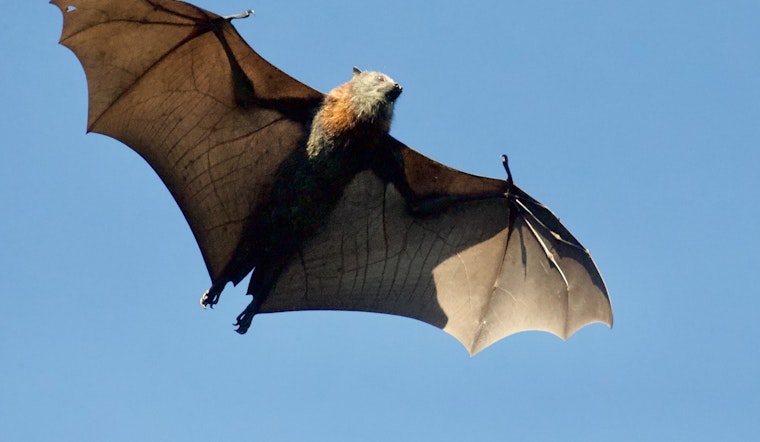
As the October chill sets in, Chicago has reported an increase in bat sightings. These winged creatures' appearance aligns with the migration patterns of certain bat species as the season turns colder. Chicagoans need not be concerned, as the Chicago Sun-Times reported yesterday, October 19.
According to operations manager Angela Rayburn, an uptick in 311 calls related to bat sightings is not reason for alarm. Most nocturnal animals seek warmth near homes during cold weather, but these creatures pose minimal risk to residents. However, bats face immediate euthanasia if removed from properties due to animal control policies, a measure meant as a last resort for public safety.
Contrary to popular belief, only a small percentage of bats carry rabies, and the rest collected this year were uninfected. As reported by CBS News Chicago, of the 27 confirmed cases of rabies in bats found in Illinois this year, none should warrant widespread panic. To maintain a healthy coexistence with bats, residents are urged to keep their pets up-to-date on rabies vaccinations.
Moreover, bats play a vital role in the ecosystem according Angela Rayburn and Lawrence Heaney, the Field Museum's resident bat expert and mammal curator. They control insect populations, facilitate plant pollination, and disperse seeds. Significantly, these nocturnal creatures manage pest control by consuming up to 1,000 insects a night.
Heaney also presented information on the migration patterns of different bat species. Big brown and little brown bats, the most common species found in the area, generally reside in the vicinity year-round, except during the winter. These bats hibernate in caves and old mine shafts. In contrast, the silver-haired and red bats, both migratory species, only migrate south during the cold season.
Regrettably, the local bat population has seen a significant reduction in recent years. The primary cause for this decline is the white-nose syndrome, a fatal fungal infection that has decimated millions of bat populations since its emergence in the United States in 2006. The disease has led to a 90% reduction in bat colonies, leaving the skies notably less populated.
In conclusion, while the spike in bat sightings may be an interesting seasonal event, there is truly no need to panic. By adhering to guidelines and developing a greater understanding of bats' ecological significance, Chicagoans might just transition from a sense of unease to enjoyment toward their winged neighbors.



