

























































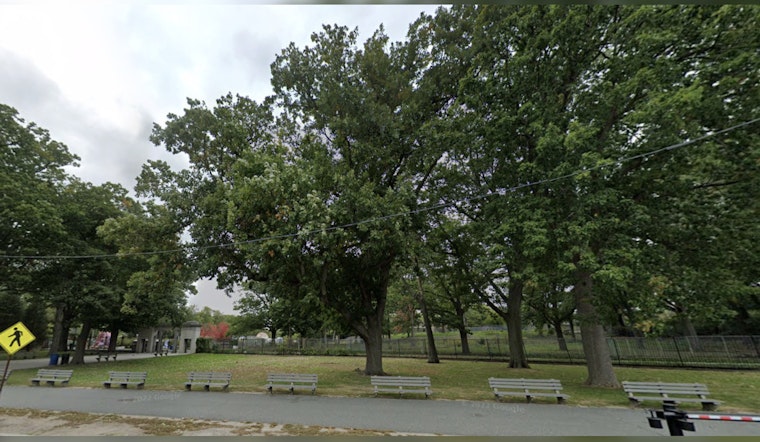
In Boston, the Franklin Park Action Plan has been lauded as an exceptional example of community-driven planning and landscape architectural innovation. The plan has earned the esteemed Award of Excellence in the Analysis and Planning category from the American Society of Landscape Architects (ASLA) as stated in a recent announcement yesterday, and is managed by the Boston Parks and Recreation Department.
Receiving the award out of 435 national entries, rendering 34 final winners, the plan emerged as the epitome of distinguished work in landscape architecture. The selection was made by a jury comprised of professionals from diverse sectors, including public and private, along with academia.
As part of the acclaimed trilogy by landscape architect Frederick Law Olmsted, including Central Park and Prospect Park, the 527-acre Franklin Park depicts an in-depth vision for the future. Unveiled in December 2022, the action plan is methodically designed to preserve the park's original ethos while expanding its accessibility to provide more to the community and park visitors.
Contributions from various collaborators played a significant role in driving this initiative. Parties such as the design team of Reed Hilderbrand with Agency Landscape and Planning, MASS Design, and community partners, Franklin Park Coalition and the Emerald Necklace Conservancy, were all instrumental in the project's success.
Public congratulations were offered from Boston Parks Commissioner Ryan Woods to everyone involved in translating the plan into reality. The awardees were formally recognized at the ASLA 2023 Conference on Landscape Architecture in Minneapolis in October.
The Franklin Park Action Plan bears witness to the impactful potential of strategic collaboration among city officials, designers, and people in the community. Projects like these not only ensure the protection of historic spaces but also their adaptation for continued relevance and engagement with visitors and residents.
While cities are currently struggling with urban planning and landscape architecture, they can seek valuable guidance from such projects. The Franklin Park Action Plan serves as a blueprint to approach and integrate community needs with respect for the past and a focus on a sustainable future.





