

























































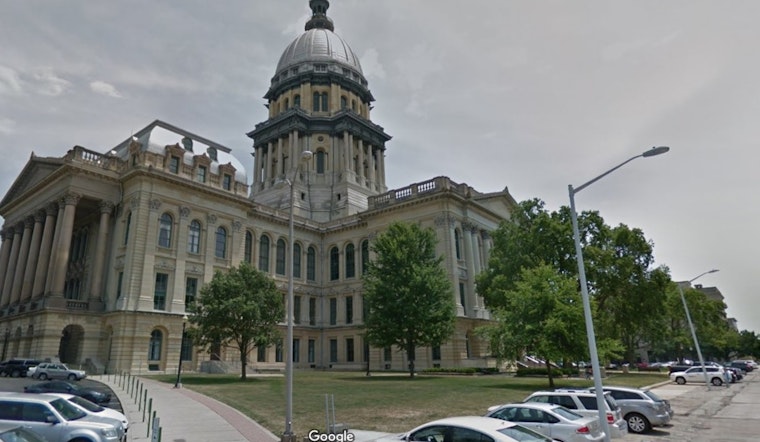
Lawmakers in the final week of the Illinois legislature face a pivotal decision on the extension of a 2018 gun possession penalty enhancement measure. As reported by the Chicago Tribune, the law, initiated by then-Mayor Rahm Emanuel's administration after 770 homicides occurred in Chicago in 2016, sought to raise minimum prison time for repeat gun offenders. This move was a result of a bipartisan agreement between Emanuel and former Republican Governor Bruce Rauner.
However, the effectiveness of this law is under scrutiny. Despite increasing incarceration rates—up to 2.5 to 3.2 times higher for some offenses—Chicago's severe levels of gun violence persist, according to the Chicago Sun-Times. This raises doubts about the law's promise of reducing gun violence by 50% in three years, as stated by then-Chicago Police Superintendent, Eddie Johnson, in 2017.
Despite the widespread concerns, Democratic state Senator Patrick Joyce advocates for the extension of the law for another year, arguing that COVID-19 may have distorted the crime figures, lessening the law's perceived efficacy. Although refusing to commit, Illinois Governor J.B. Pritzker also hints at the implications of the pandemic on the rise in crime.
With the proposed criminal penalty enhancements facing opposition within the Democratic party, it puts members in a troublesome position. They have to flush out the perception of leniency on crime while endorsing progressive criminal justice reforms. University of Illinois at Springfield's political science emeritus professor, Kent Redfield, emphasized this challenge in view of the vulnerable position of the Democrats.
Facing expiry by the end of December, the law's extension hangs on the legislature's decision. This turns a spotlight on the lawmaking body's adaptability to public sentiment regarding crime and their choices concerning criminal justice reform bills. Forgoing penalty enhancements for repeat felony offenders may fuel the perception of a lax attitude toward crime, irrespective of the effect on crime rates.
In light of the varied circumstances since the inception of the penalty enhancement law, the shift in crime dynamics due to unforeseen factors like the pandemic should be considered carefully. The General Assembly, which previously supported such measures, may experience shifts in political inclinations now. Legal decisions on these matters indicate lawmakers' political leanings and their understanding of the challenges in crime and justice reform.
Ultimately, the destiny of the penalty enhancement measure rests with the lawmakers. They have to balance public sentiment, the contested political climate, and the task to balance the need for rigorous criminal justice and progressive reforms. As the city of Chicago is still dealing with unrelenting gun violence, these legislative decisions will determine its future course.





