

























































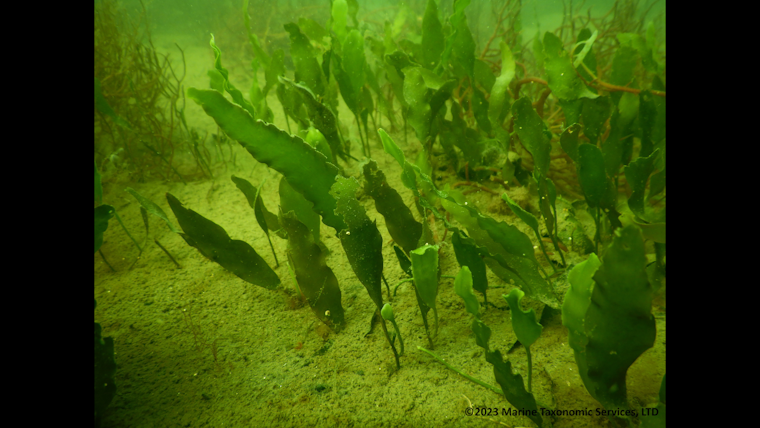
San Diego agencies, including the Southern California Caulerpa Action Team (SCCAT), the City of Coronado, and the Coronado Cays Homeowners Association (CCHOA), have united against the threat of an invasive seaweed species, known as Caulerpa prolifera, recently found in the Coronado Cays section of San Diego Bay. According to the Port of San Diego, the spread of Caulerpa can endanger native marine species, specifically those living in the federally protected eelgrass habitats.
The SCCAT rolled out a Rapid Response Eradication Plan upon the discovery of this invasive seaweed. This plan involves numerous actions aimed at controlling and monitoring the infested areas while seeking to eliminate the Caulerpa.
Originally from Florida and multiple subtropical areas, Caulerpa in non-native locations can wreak havoc on local habitats, dislodging plant and animal species native to these ecosystems. Despite California's law against the possession, sale, and transport of any Caulerpa species, within saltwater aquariums, the invasive algae can still be found. Violations can result in fines ranging from $500 to $10,000.
California has been living with the scourge of Caulerpa for nearly two decades. Instances of infestation have occurred in various locations, including Newport Bay since 2021, Huntington Harbour, and Aqua Hedionda Lagoon in Carlsbad in the early 2000s. Despite coordinated efforts to monitor the situation, encroaching on California's delicate marine ecosystems remains a tenacious seaweed tendency.
The data suggest that the most likely source of the infestation is the release of Caulerpa from saltwater aquariums. People with saltwater aquariums should avoid using and disposing of this invasive seaweed in California's water bodies. By draining aquariums into sinks or toilets, the water is directed to treatment plants capable of controlling the threat. Furthermore, selling or sharing Caulerpa is strongly advised against.
Boaters, divers, and fishermen can minimize the risk of accidentally spreading Caulerpa by learning to identify the seaweed, regularly inspecting equipment, and immediately reporting any sightings to the California Department of Fish and Wildlife.
Although the expected cost of the surveys and eradication has not been established, the Port of San Diego reports that, thus far, about $92,000 in this effort has been spent. More funding is being pursued from various sources, such as grants from the U.S. Fish and Wildlife Service and the State Water Resources Control Board's Cleanup and Abatement Account.





