

























































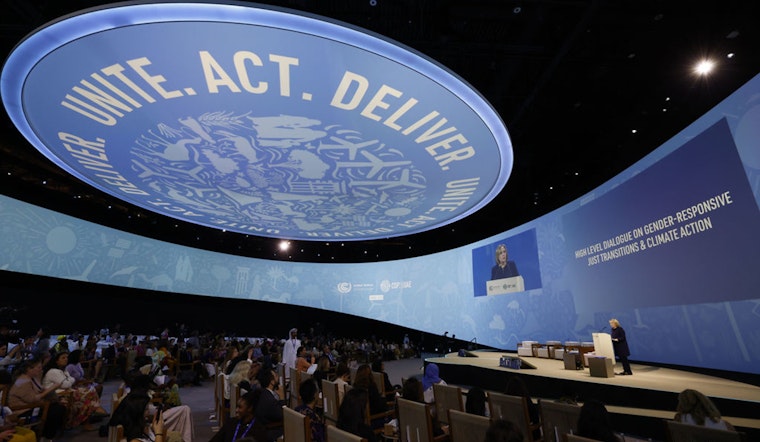
The heat is on as young activists and fossil fuel reps both descend upon Dubai for the climactic United Nations Climate Change conference, COP28—a summit that has become a melting pot of sorts for the world's climate concerns. Among those taking the global stage are six Chicago-area students, including 17-year-old Danica Sun, a high school senior with a mission to give Mother Earth a fighting chance, as reported by the Chicago Tribune. These adolescents have less to lose and everything to gain as they lobby for the future of their planet.
But another narrative unfolds in the sandy expanse of COP28, as an NBC Chicago report reveals a staggering increase in fossil fuel footprints at the climate talks. More than 1,300 big oil and gas honchos have registered to attend this year, signaling perhaps to defiantly stake their claim in a world grappling to urgently transition to greener pastures. The sheer number of fossil fuel bigwigs in the mix is setting off alarm bells among environmentalists, who worry their presence might dilute the climate action punch.
"Chicago is such a big city," Sun recalls in her thought process, determined to see her hometown lead the vanguard against global warming. She and her youth brigade, passionate and hopeful, have taken their fight from Chicago to the scorching deserts of the UAE, carrying with them concerns that echo through their concrete jungles back home. As part of a local youth environmental advocacy program, It's Our Future, the group is looking to shake the world awake, hoping to contribute to pivotal global climate discussions.
Natasha Bhatia, also 17 and a fellow Chicagoan at the summit, insists that young blood is the key to invigorating the weary climate movement. "Our voices can be really powerful in making a change," she told the Chicago Tribune. Both girls embody the change they hope to eventually see, spearheading initiatives and urging politicians and business leaders to embrace action that can drastically alter our collective trajectory.
Meanwhile, the controversial spike in representatives from industries often demonized for their carbon footprints could signal a reluctant acknowledgment of their crucial role in both the problem and the potential solutions. COP28 President Sultan al-Jaber, himself torn between organizing the talks and heading up the UAE's national oil company, defended his stance: "Let history reflect the fact that this is the Presidency that made a bold choice to proactively engage with oil and gas companies," he stated, as NBC Chicago reported. The summit has become a battleground where future-oriented idealism confronts the behemoth of economic reality, with world leaders juggling to both appease and transform an industry deeply entwined with global emissions.




