

























































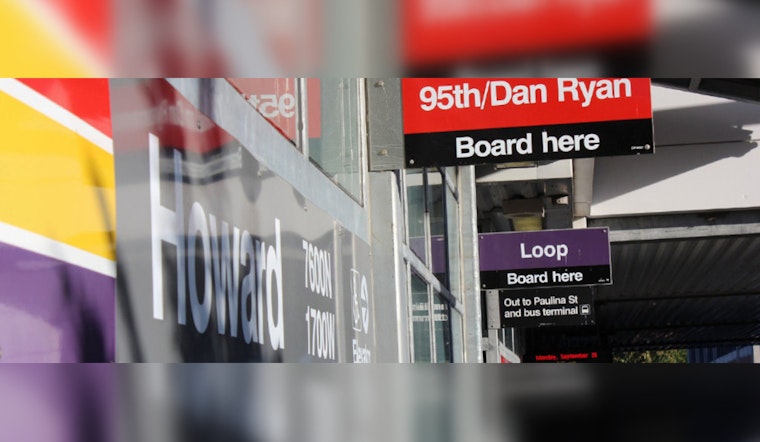
Chicago's transit future is surging ahead, with the Chicago Transit Authority (CTA) revealing they've kicked off the last major hunk of construction for its Red and Purple Modernization (RPM) Phase One Project. This heavy lifting highlights the ongoing transformation in the North Belmont area, where two new Red and Purple elevated track structures have just entered service, stretching between Belmont and Addison stations—for the riders, it translates to a smoother sail, reported CTA.
"We are bringing better transit to our customers by modernizing the CTA Red Line, which is the transportation backbone of our city and provides critical transportation to thousands of Chicagoans every day," said CTA President Dorval R. Carter, Jr., words resounding with the pulse of a city on the move. According to the same CTA announcement, this phase follows hot on the heels of the July 2023 completion of a new track between Lawrence and Bryn Mawr avenues and precedes the unveiling of four spiffy new Red Line stations slated for 2025. Offering a preview of what's to come, the tracks, which rebuilt the southbound sections, mark the evolution of Chicago's commuter experience.
For those riding the city's arterial veins, the RPM project stands as a titanic effort to redraw the map of Chicago's mobility. Contractors Walsh-Fluor, drafted into this urban odyssey, have had their noses to the grindstone since the ground cracked in 2019. Among their feats is the Red-Purple Bypass, completed way back in November 2021, which untangled a notorious train knot north of Belmont, and the upgrading of Loop-bound Brown Line tracks that now stand as of December 2023, the CTA informed. Nearing the finish line, the team is drilling into new foundations for tracks that will soon hum with the rhythms of southern-bound steel serpents.
Yet this is a story larger than metal and mortar—it's about accessibility and expansion. Stations like Lawrence, Argyle, Berwyn, and Bryn Mawr will bloom into 100 percent accessible transit hubs by 2025. And as these stations rise from the old groundwork, so too does a modern signal system unfurling over 23 miles, crafting an intricate dance of trains more reliably choreographed than ever before, echoes the CTA.
For the CTA's busiest line, carrying over 67 million rides a year, this face-lift promises not just an end to the staleness of century-old infrastructure but a pledge for capacity growth, ensuring the Red and Purple lines can continue to ferry the dreams and daily grinds of Chicago's populace. While future phases beyond RPM sparkle on the horizon, unfunded and uncharted, travelers and city dwellers alike watch the skyline shift and fix their gaze on the tracks that promise to lead Chicago into a future on the move.





