

























































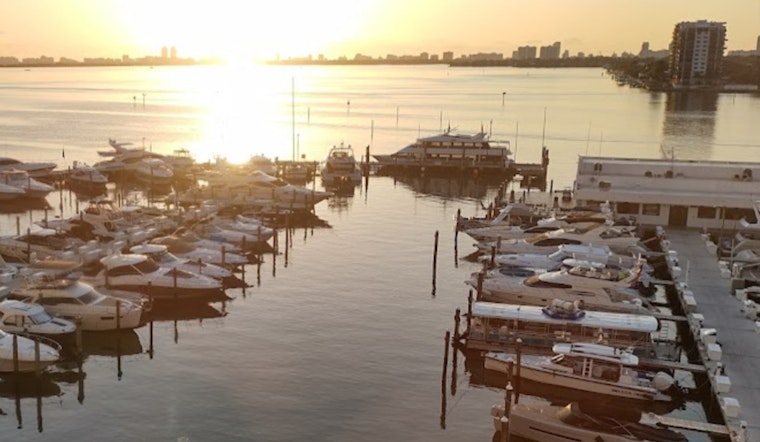
In a sweeping move by the newly minted leadership in Miami Beach, the city's dock serving as a vital link for a community of boaters in Biscayne Bay has been voted out of existence. The unanimous decision by the mayor and commission, led by Commissioner David Suarez, is aimed at moving "live-aboards" away from the waters off Miami Beach, as detailed in a report obtained by NBC Miami.
During the discussion at the December 13 commission meeting, Suarez said, "They can't live on a boat forever”. He added, "They have to come to the land to get food, water and necessary supplies," thus cutting off the dock will effectively force boaters to confront a more challenging way of life. After the vote, done in the first acts by Miami Beach's new vanguard, a "no trespassing" sign was erected and a barrier was placed to block off road access to the mainland, a move described by some of the boaters as un-American in interviews conducted by NBC Miami.
The decision has left the boaters, who have been docking their dinghies at the city-owned facility for years, in a lurch. Without access to this critical dock along Dade Boulevard, live-aboards like Carlos Leon – known for his social-media-popular German Shepherd, Apollo – will now face the ordeal of seeking alternative, often illegal, docking solutions that could lead to fines or dinghy seizures, as highlighted by Caribbean National Weekly.
The live-aboards, including Leon, who married his wife on their sailboat and was drawn to the boating community during the isolation of COVID, expressed staunch opposition to the city's decision. Leon told NBC Miami, "Saying we have to cut peoples’ lifeline – we are not in a Third World country. We're in the United States." With the dock closure now in effect following the directives given at the commission meeting, residents are gearing up for a legal battle, asserting their commitment to fighting the city's cutting of their lifeline.
This tough stance from the city government represents a larger effort to address concerns raised by residents about the boaters docking their dinghies and entering the island. As of now, police and public works crews have commenced the process of permanently closing the dock, pending necessary permits for its removal. The controversy has sparked a community-wide discussion about access, rights, and urban policy among Miami's waterfront residents.





-4.webp?w=160&h=400&fit=crop&crop=edges)