

























































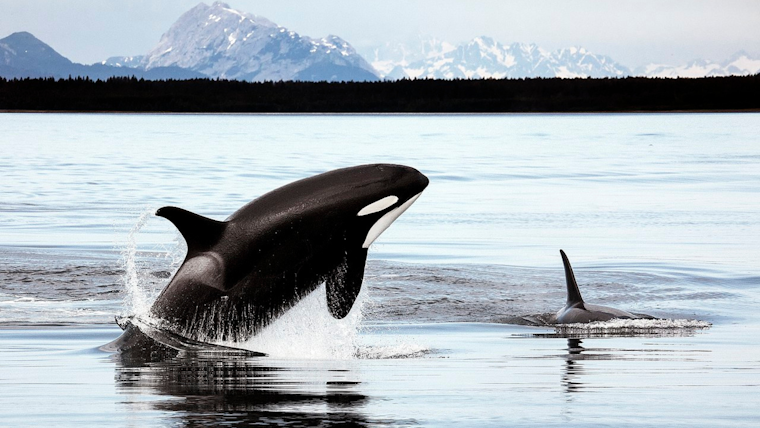
Whale watchers in San Diego got a Christmas surprise when they witnessed killer whales in a dramatic display of nature's raw spectacle. According to KPBS, pods of orcas have been roaming the Southern California coasts, much to the delight and awe of tourists on whale-watching cruises. These 'wolves of the sea', as some call them, have been observed hunting dolphins and other marine mammals close to the shore.
“Most killer whales tend to be close to the coast because that’s where most of the food is," marine ecologist Bob Pitman explained in a study conducted with the Marine Mammal Institute at Oregon State University. He noted that the abundance of prey is partly thanks to conservation efforts, with increases in dolphin and whale populations noted off California's coast. According to an Instagram post by sdwhalewatch, this was particularly evident when passengers aboard their cruise were greeted by these magnificent creatures on Christmas Day.
These orcas, known as ETPs that reside off Mexico and Central America, are specialists in hunting marine mammals. This expertise was tragically underscored earlier this month when a fin whale was found beached with tell-tale killer whale tooth marks on its body. "Some will try to ram the whale. Some will try to grab the flippers and pull them down. Some will try to get on the head of the whale and use their body weight to push the head underwater so it can't breathe," marine biologist Alisa Schulman-Janiger described their hunting techniques to KPBS.
But it's not just the marine experts contributing to the wealth of knowledge about these apex predators—tourists and citizen scientists armed with smartphone cameras are lending a hand, too. Bob Pitman told KPBS that "the majority of data in that paper was posted on social media." He emphasized the growing role of public participation in marine research, which can now supplement scientific studies with real-time observations from a far larger number of ocean enthusiasts than the number of available researchers.



