

























































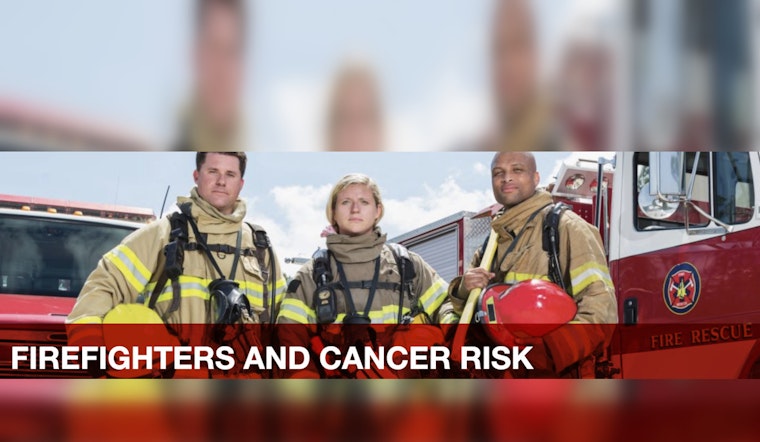
In San Antonio, a fire department initiative is blazing a trail for cancer prevention among firefighters, a concern underscored by studies indicating increased cancer risk from exposure to smoke and hazardous chemicals on the job. The San Antonio Fire Department's Quartermaster Program offers a proactive approach by delivering a change of gear to crews exposed to harmful chemicals, which is then cleaned and inspected before reuse. "We want to make sure that we're doing everything humanly possible with these cancer efficiencies," Fire Chief Charles Hood told KSAT.
This initiative addresses the substantial risk firefighters face, as the burning of synthetic and plastic materials in modern buildings releases carcinogens. Among these are polycyclic aromatic hydrocarbons (PAHs) and other known carcinogens such as asbestos, and diesel exhaust, according to a report by The Leukemia & Lymphoma Society (LLS). Wearing protective gear offers some defense, yet carcinogens can still penetrate this barrier, exposing the skin to toxins. Firefighters at Ground Zero on September 11, 2001, have notably higher rates of blood cancers and other diseases linked to their heroic response.
With its Quartermaster Program, the San Antonio Fire Department is at the forefront, with Craig Balter from the SAFD Division of Safety and Survivability mentioning a significant culture shift. "Clean gear is the best way. You want to take care of your family. You don’t want to take it home, you don’t want to take it back to the station," Balter said in an interview with KSAT. In a day, the program can swap out more than 40 gear sets, showcasing its commitment to the health of its firefighters.
To support their health, firefighters are advised to follow specific protocols. These include reducing diesel exhaust exposure, maintaining and properly cleaning Personal Protective Equipment (PPE), and cleaning their skin of soot and chemicals post-fire. "We don’t want them being exposed, and in 10 or 15 years, they get sick," Balter reflected on the significance of these measures. Alarmingly, research shows that firefighters may have to begin cancer screenings earlier and more frequently than the general population. Firefighters are also encouraged to record exposures and pursue a healthy lifestyle to minimize cancer risks, LLS reports.
Resources for awareness and support are critical, including those provided by international organizations such as IAFF, which offers a Cancer Awareness and Prevention Training to its members. The National Firefighter Registry, established by the CDC to track workplace exposures and their links to cancer, serves as another valuable tool in safeguarding the well-being of those who risk their lives daily. As San Antonio has shown, protecting the protectors through innovation and rigorous precautionary habits may become the new standard for fire departments looking to extinguish the threat of occupational cancer.





