

























































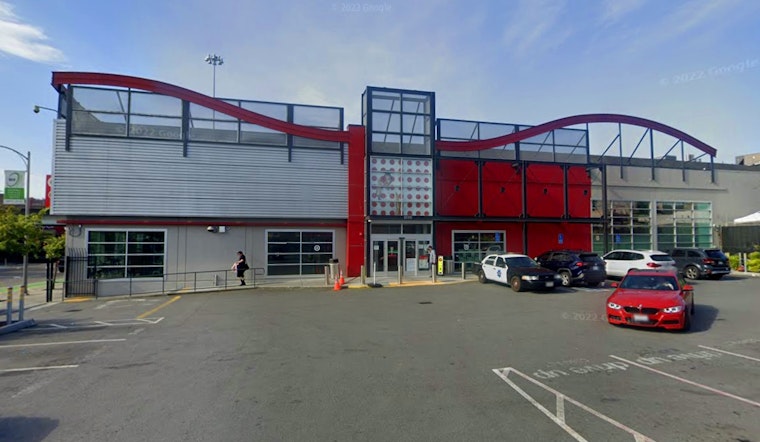
Target, the nationwide retail titan, cited theft and violence as the main reasons for closing nine of its stores in key urban locations. However, a recent CNBC investigation suggests that Target's explanation could be hiding other motives like attempts at legislative reform or covering up dismal financial performances.
Despite the Target's claims, the reported crime at these shuttered outlets was actually less than at other nearby stores that remain active. This discrepancy raises questions about the real drivers behind these closures. Having announced the shutdown on September 26 with much public attention, Target faced backlash from those who doubted the company's narrative. Notably obstructing the view, crime rates around locations which continued business as usual exceeded those at the stores that closed in the same cities.
The locations that Target chose to pull down the shutters include sites in New York City, San Francisco, Seattle, and Portland, which formed a part of a recent thrust into smaller-format stores in dense urban areas, only to backtrack when the company purged four similar outlets last spring.
According to earlier Hoodline reporting, Target aimed to convey the impression that safety concerns were the primary factor guiding these closures. Target's CEO Brian Cornell previously highlighted how theft-related losses and violent crimes had escalated sharply. While the current year's theft losses are projected to be up by potentially $500 million, the company has yet to reveal the specific figures tied to these losses, which furthers the skepticism about the true cause behind shutting these stores.
Despite these public disclosures and the nine-store exit representing less than half a percent of Target's US operations, the curious detail remains that busier Target stores with higher incidences of crime were not part of the sweep. As Target pushes forward with new openings and remodels, including 21 new stores and refreshes to 150 existing ones, the shuttered stores' crime stats give pause. They introduce a complex narrative about what it really takes for the company to decide a store's fate.
The primary force behind the closures may lie elsewhere than the public safety concerns cited by Target. With Target's role on boards like the National Retail Federation, it's suspected that the company might also be using its store closures as a tactic to influence legislative action on organized retail crime. The timing of the announcement, which coincided with NRF's lobbying for harsher punishment for such crimes, is difficult to ignore.
At the end of the day, Target maintains its focus on safety and investment in loss prevention measures. The retailer's spokesperson, Jim Joice, told CNBC, "We continue to invest heavily in safety, including strategies to prevent and stop theft and organized retail crime in our stores, as well as partnering with law enforcement, legislators, and retail peers to seek long-term solutions." As the industry grapples with the phenomenon of organized retail crime, the truth behind Target's store closures perhaps represents the murky intersection of business strategy, public safety, and public relations.




