

























































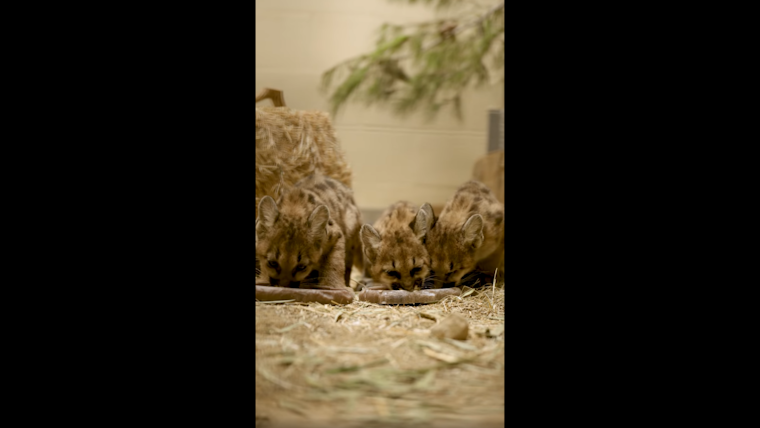
In a touching show of teamwork, the San Diego Zoo Wildlife Alliance, alongside UC Davis Karen C. Drayer Wildlife Health Center and the California Department of Fish and Wildlife, rescued three mountain lion cubs orphaned and struggling for survival in the wilds of San Diego. These courageous rescues come after extensive searches by the joint forces after their mother, known to researchers as F307, failed to return for her litter. San Diego Zoo Wildlife Alliance has reported the cubs were severely dehydrated and wouldn't have lasted a week on their own.
Lisa Peterson, executive director of San Diego Zoo Safari Park, emphasized the importance of mountain lions to the ecosystem and the zoo's commitment to these cubs' wellbeing, saying, "Mountain lions are a keystone species right here in our own backyard," and "It's been a privilege to nurse these youngsters back to full health, and we now have the honor of caring for them long term." Teams from UC Davis used data from the mother's GPS collar to pinpoint the cubs' locations; they found one hiding in a hole, another shoved between two rocks, and on the third day, tucked into chaparral, they found the last one.
Currently, the trio of cubs are in the tender care of the Paul Harter Veterinary Medical Center at the San Diego Zoo Safari Park. Incapable of surviving in the wild, the California Department of Fish and Wildlife has designated the park as a haven for the cubs, where they will receive lifelong care and have the chance to prosper despite their rocky start.
Dr. Winston Vickers, leading the Southern California Mountain Lion Program at UC Davis, expressed gratitude for the partnerships that made the successful rescue possible, saying, "Our UC Davis mountain lion study team really appreciated the help from the San Diego Zoo Wildlife Alliance and the Department of Fish and Wildlife in the effort to locate the cubs, and the willingness of the San Diego Zoo Safari Park to give them excellent care long term." Mountain lions or cougars, boast an extensive habitat that stretches from Canada to the southernmost regions of South America. Nevertheless, their coexistence with humankind continues to be precarious, particularly in regions like Southern California, where the majestic carnivores face increasing threats to their survival.



