

























































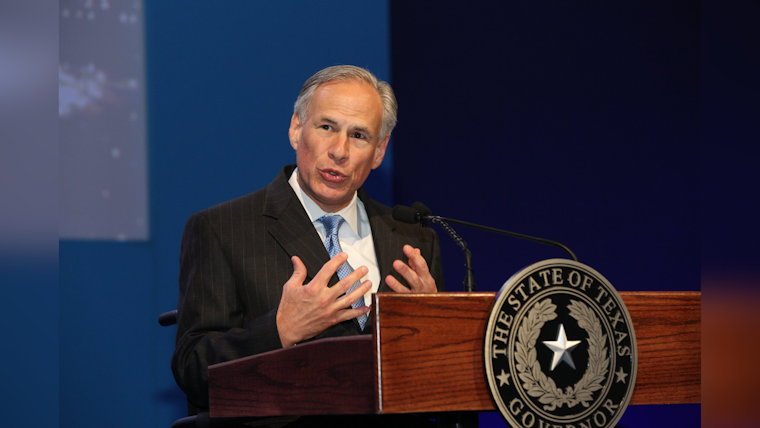
Texas Governor Greg Abbott has made a bold move in the realm of state-level immigration enforcement by signing into law Senate Bill 4 (SB4), which stands as one of the most aggressive immigration laws in recent U.S. history. This controversial bill grants Texas law enforcement the authority to arrest migrants suspected of illegal entry and allows state judges to issue de facto deportation orders, as reported by CBS News.
Signing the bill on Monday, Abbott proclaimed SB4's objective is "to stop the tidal wave of illegal entry into Texas," as per CBS News, while the Hoodline has highlighted critics who believe it fosters racial profiling and may be unconstitutional. Supporters of the bill, however, consider it a necessary tool for maintaining state security and resources in the face of increasing illegal border crossings.
The law has already attracted a lawsuit filed in Western District of Texas courts, with civil rights groups including the ACLU, challenging SB4's validity and asserting that it strips individuals of federally provided due process rights. Critics, on the other hand, are bracing for a significant legal showdown with the possibility of the Biden administration stepping in, as per CBS News.
The practicality of enforcing the bill raises serious questions, given only the federal government possesses the necessary infrastructure for deportations. Mexico's government, in agreement with international protocols, has voiced its refusal to accept migrants returned under such state-level directives. "How Texas would enforce these de facto deportation orders remains unclear", per CBS News.
Despite the legal precedents that limit local and state law enforcement in matters of immigration status, exemplified by the Supreme Court ruling in Arizona v. United States, SB4 is seen by opponents like Ramiro Luna, executive director of Somos Tejas, as promoting racial profiling and being "racist" in its implications. In reply to these accusations, proponents of SB4 emphasize the bill is vital to counter what they see as federal inaction regarding border security.
While the full impact of SB4 is yet to be seen, legal experts are advising those potentially affected to seek legal counsel and prepare the necessary documentation, reflecting the tension between state-mandated enforcement and individual constitutional protections. Immigration lawyer Haim Vasquez stressed the importance of understanding one's rights and securing legal representation. The debate and legal battles ensuing SB4's enactment will be closely observed as it unfolds.





