

























































A Watertown man is facing a potential two-decade stint behind bars after he admitted to fleecing investors with false promises of fat profits from African sports enterprises. Adrian Kawuba, 33, pleaded guilty to wire fraud charges after duping investors into funding nonexistent ventures, authorities said Wednesday.
Kawuba, was arrested last year, convinced his marks they were backing profitable, short-term sports ventures on the African continent and elsewhere. Instead of putting the cash into any real investments, he splashed out on luxe living – all the while paying earlier investors with the fresh funds from new victims. His con game roped in over $2.3 million before coming undone.
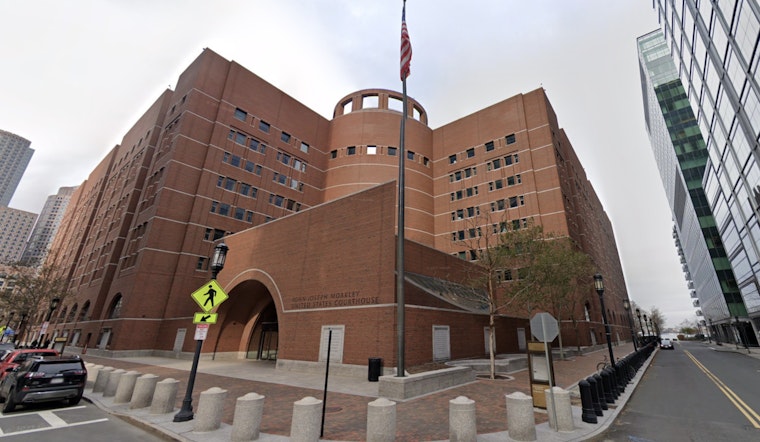
During the proceedings in federal court in Boston, Kawuba faced Judge William G. Young and entered his guilty pleas. The fraudster's sentencing has been penciled in for March 14, 2024. If maxed out by the judge, the wire fraud charges could lock Kawuba away for two decades and put him on the hook for a $250,000 fine or double the dough he swindled, depending on which figure is fatter.
According to a statement by Acting United States Attorney Joshua S. Levy and Jodi Cohen, of the FBI, Boston Division the case was brought to light with a helping hand from the Watertown Police Department. And now, Assistant U.S. Attorney Kriss Basil, of the Securities, Financial & Cyber Fraud Unit is spearheading the prosecution.
Authorities outlined at least 26 fraudulent deals churned out by Kawuba's Ponzi scheme. Victims hoping to see their funds grow were instead financing Kawuba's personal spending spree. He faces a foray of financial penalties beyond imprisonment, including restitution and forfeiture. Investors now await the March sentencing, hoping for justice and some form of recompense for their losses.



-4.webp?w=160&h=400&fit=crop&crop=edges)
