

























































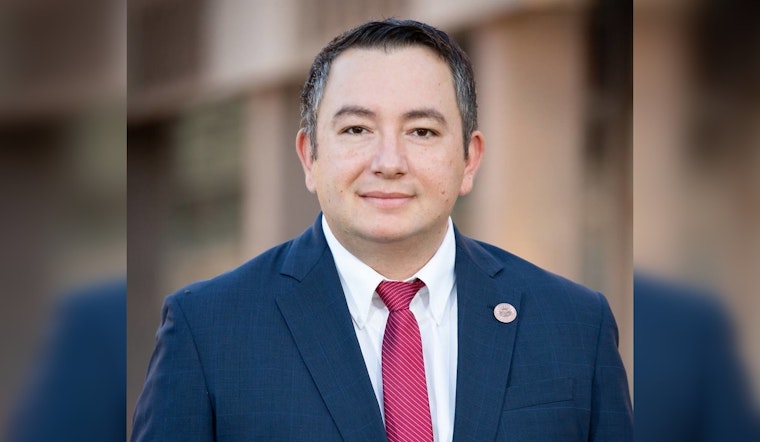
Controversy swirls around the Empowerment Scholarship Account (ESA) program in Arizona as Republican House Speaker Ben Toma resists calls to overhaul the initiative, despite claims by Democrats that the program lacks transparency and could favor the affluent. In the latest twist, a comprehensive analysis by 12News has debunked Republican claims that ESAs save the state money, pointing out errors in comparisons and omissions of key financial elements.
Speaker Toma and his Republican colleagues have touted ESAs as a cost-effective measure, suggesting a supposed savings of around $7,000 per student, yet this figure fails to include expenses like special education funding and fixed costs; vital components in the state's funding formula, which remain unchanged despite student migrations from public education to ESAs, causing 12News to brand these claims as false.
Drawing from the study, the Department of Education highlighted the complicated nature of education funding, showing that depending on the school district, the state could see an impact of anywhere from a $486 deficit per elementary student to a $7,758 increase per high school student when transitioning to an ESA. Despite these findings and calls for change, Toma has signaled he won't draft legislation to reform the ESA program, explaining, "I am open to suggestions," according to a report by the Arizona Capitol Times.
The transparency of ESA spending is also in question, with Representative Judy Schwiebert expressing frustration during a House panel, "We don't know how taxpayer money is being spent on ESA vouchers, what students are learning or whether students are even safe in private schools," despite ESA proponents' claims of a $57 million basic state aid surplus.
As contentious debate surrounds ESAs, parents who say the program has significantly aided their children with disabilities offered emotional testimonies at a packed House committee hearing, yet teachers, students, and Democrats raise concerns that the universal nature of the vouchers may simply serve as a "tax break for the wealthy." While the Department of Education's ESA program expects to spend $780 million in scholarships this fiscal year, the Joint Legislative Budget Committee remains unable to quantify the program’s full impact on the state's finances due to the complexity of educational funding and the many personal circumstances affecting it.




