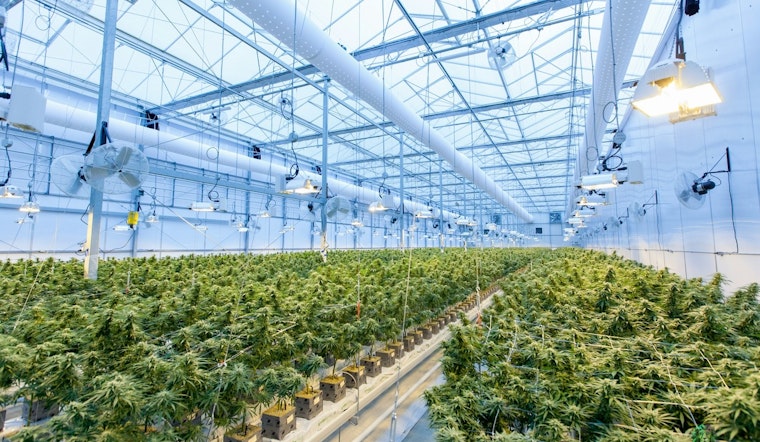
Arizona's pot industry is high on success, with sales surpassing $1.2 billion in 2023. Data released demonstrate a stark preference for recreational marijuana, which is outselling its medical counterpart by a substantial margin. As reported by Phoenix New Times, adult-use cannabis sales have consistently hovered around $85 million per month while medical marijuana struggles at $25.3 million.
Despite the boom, the medical market is experiencing a steady decline, not having surpassed $40 million since June 2022. In October 2021, medical and recreational sales were nearly equal, but today the picture is quite different. Cannabis Science and Tech notes a historic drop in medical cannabis sales, as Arizona reaches an economic milestone in its burgeoning industry. The declining trend in medical sales is precipitated by patients balking at the costs associated with maintaining medical qualification, including the $150 biannual certification fee.
Tax revenues from marijuana sales have given the state of Arizona a substantial fiscal bump. The state netted $2 million in taxes from medical sales and a whopping $13.6 million from recreational sales in October alone. The excise tax on adult-use marijuana sales has already raked in about $142.5 million. These funds are not just inflating state coffers but are being channeled into public services. "One-third of those taxes are dedicated to community college and provisional community college districts; 31% to public safety, including police, fire departments, fire districts and first responders; 25% to the Arizona Highway User Revenue Fund; and 10% to the justice reinvestment fund," according to Cannabis Science and Tech.
This fiscal landscape is shaped by a 16% excise tax on recreational sales on top of the standard sales tax, whereas medical patients only pay roughly 6% in state sales tax, with local jurisdictions adding an additional 2% or so for all marijuana sales. The disparity in taxation between recreational and medical cannabis appears to correlate with the soaring sales gap between the two industries—a trend that might continue unless there is a shift in consumer behavior or regulatory adjustments.