

























































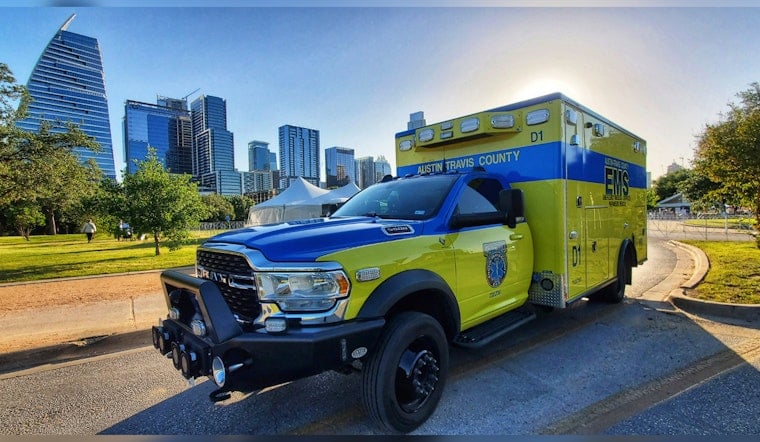
As Austin faces a dire shortage of emergency medical staff, Austin-Travis County EMS (ATCEMS) continues to hurdle over obstacles to keep the city's ambulances running. The shortage is a ripple effect from the spikes in declination faced post-pandemic, as reported by KVUE. Staffing vacancy rates soared over 20% each month from June 2022 through March 2023, hitting a high of 25% a year ago.
Despite the staffing headwinds, ATCEMS has ushered in fresh blood with 30 new cadets graduating in September, followed by another 29 in the spring. This injection of new talent into the system comes after a year marked by what officials termed crisis-level staffing within the agency. In an interview with KVUE, Selena Xie, president of the Austin EMS Association, described the situation as "really bad for a lot of reasons." Yet, the fresh wave of medics represents a potential turnaround in an otherwise grim landscape.
The problem isn't just in numbers. Austin's high cost of living has also been a barrier to staffing. A report from CBS Austin highlights the struggles potential applicants face in affording relocation to the city. "Yes, our wages are fine, but we can't get people to move here because they literally cannot afford to do so," Xie said, shedding light on the entangled issues of remuneration and living costs.
ATCEMS Director Robert Luckritz has not only tackled staffing head-on but also sought to address response times for emergencies. Although vacancies have risen, new positions have opened up, including the addition of the Good Night Ranch EMS fire station in Southeast Austin. "It's going to take a little time for us to be able to get those folks through the academy, get them up to speed, and make sure that they are the absolute high caliber, Austin Travis County EMS and the community has come to expect," Luckritz told CBS Austin.
City officials are also pitching in on solutions. Council Member Mackenzie Kelly has proposed housing assistance for cadets, while ATCEMS received approval from the City of Austin to increase their cadet class frequency – efforts all designed to replenish the corps of medics. With these steps, plus a focus on addressing different priority calls, ATCEMS aims to ensure that critical response times remain swift and that the health needs of Austinites are met without delay.




