

























































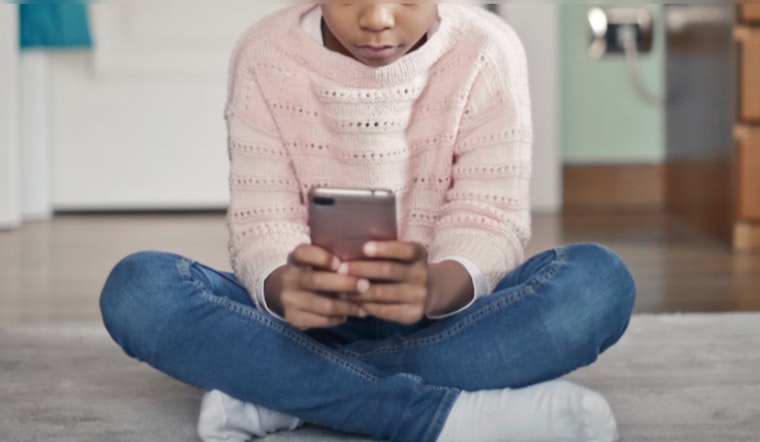
The Florida House has taken a bold step to regulate social media usage among the state's youth. In a decisive 106-13 vote, legislators approved House Bill 1 (HB 1), aimed at prohibiting children under 16 from having social media accounts. The bill, which netted bipartisan support, is a move that Florida House Speaker Paul Renner believes will combat mental health issues and predatory behavior on these platforms. "This is about protecting children from addictive technology and what we know harms them," Renner said, as NBC Miami reported.
Amidst applause from supporters, who cite dangers such as online bullying, the rights of parents and the bill's constitutional implications have sparked controversy within the legislature. Opponents of HB 1, like Democratic Rep. Daryl Campbell, accuse the bill of being a "complete governmental overreach," as he told NBC Miami. With concerns highlighting the First Amendment and the autonomy of parents, critics argue the bill may have overstepped its bounds, questioning the role of government intervention in the digital upbringing of children.
Despite opposition, proponents stand unwavering in their defense of the bill's aims. Republican Rep. Tyler Sirois articulated the dangers posed by social media companies towards kids, saying on the house floor, and subsequently reported by Fox News, "That's their business model. And why do they do it? To keep them hooked ... with the dopamine hits that the platform gives our children with every autoplay, with every like, with every push notification." Sirois's words reflect a sentiment that the state must step in when industries fail to self-regulate in the interest of child welfare.
On the tech industry side, Meta has voiced its concern, pushing for a parental approval system rather than an outright ban and calling for a federal response to avoid a patchwork of state laws. Critics, including Democratic Rep. Anna Eskamani, recognize that while there's a golden intention behind the bill, the proposed solution is considered too sweeping and could have unintended ramifications. She shared her personal experiences with social media in a healing context, saying, as Fox News reported, "Many teens today leverage the internet and apps to responsibly gather information and learn about new opportunities ..." Reflecting on the potential for young Floridians to be disadvantaged compared to their peers in other states if the bill goes into effect.
The legislative journey of HB 1 is far from over as it next faces the scrutiny of the Senate. However, the bill does signal Florida's approach to navigating the complex waters of technology and its impact on the state's younger population. As the conversation unfolds, all eyes will be on the state's legislators as they balance the protection of the vulnerable with the preservation of individual freedoms and liberties in a digital age.





