

























































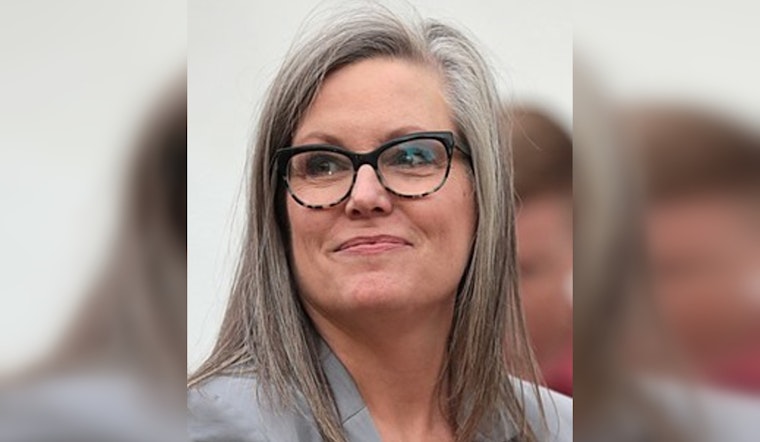
Arizona's Governor Katie Hobbs and the state's GOP-dominated Legislature are set to go head-to-head as they grapple with a daunting near $1 billion budget deficit fueled by aggressive tax cuts and a ballooning school voucher program. As they reconvene next week, the fiscal hangover from yesteryear's legislative decisions looms large—a stark contrast to the $1.8 billion in surplus funds reported just a year ago.
Per ABC15, the tax cut fallout, instituted under the previous administration and embraced by both parties at that point, has now culminated in an alarming 30 percent dip in income tax revenue from July to November 2023. Analysts are sounding alarms, as this forebodes a $400 million shortfall for the current fiscal year and another $450 million in the red for next year.
Adding to the fiscal strain is the cost associated with Arizona's school voucher system, which has skyrocketed to potentially over $900 million—a steep climb from the originally projected $64 million. The program's rapid expansion to include all students has incited a boom in participants, according to AP News, now reaching nearly 73,000 beneficiaries, with reports indicating a vast majority being pre-existing private school attendees.
With tensions mounting between the fiscal ideologies of the Democratic governor and her Republican legislature counterparts, the path forward looks to necessitate compromise. Senator John Kavanagh suggests the crunch can be tackled through measures such as delaying building projects and recalibrating state expenditure. Conversely, legislators like Rep. Oscar De Los Santos criticize the situation as a "self-created, self-inflicted wound that the Republicans have caused," pointing to constrained resources for tackling other pressing issues within the state.
Among the voices clamoring for accountability is Governor Hobbs, who has underscored the need to ensure that the state's investment in education translates into tangible benefits for the students, not just greasing the wheels of the private school machinery. Amid this backdrop of economic tumult, Arizona also contends with the specter of water scarcity—an issue Hobbs has declared as a singular 'challenge of our time,' directly impeding the development in parts of metro Phoenix and reevaluating agricultural water rights.
As debate swirls, tweaks to the voucher program have been proposed, including strictures on teachers' qualifications and students' public school attendance. This is seen by some as daylight between the fiscally conservative beats of the legislature and those seeking reform. Nonetheless, amidst the cacophony of fiscal concern and partisan wrangling, the urgency for a strategic consensus on how to navigate Arizona's budgetary quagmire remains paramount.





