

























































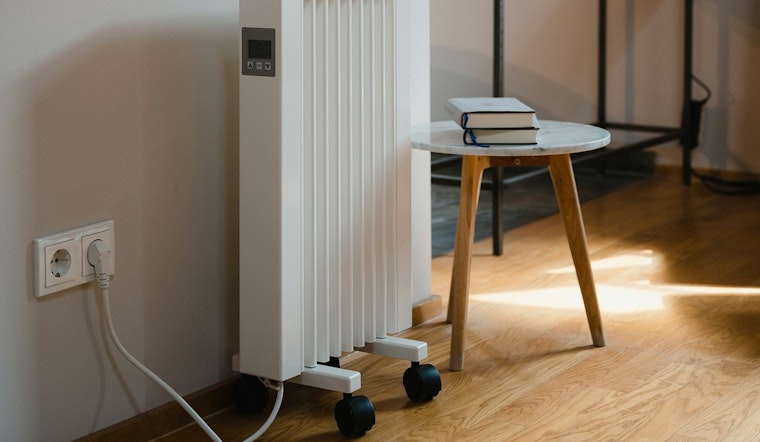
With winter in full swing, Illinois residents are bumping up their heaters, but this increase in warmth comes with a rise in home fire and carbon monoxide (CO) risks. The Illinois State Fire Marshal's Office is urging the public to get their furnaces serviced, change out filters, and ensure their CO and smoke detectors are in working order, pointing out the silent threat posed by CO, an undetectable gas without specialized alarms, reported Illinois Government News Network.
Heating equipment is linked to a significant number of home fire deaths nationwide, according to the National Fire Protection Association (NFPA), with space heaters accounting for the largest proportion of these tragic incidents often because they're too close to flammable materials such as furniture or bedding. The NFPA revealed fire departments tackled an average of 44,210 fires per year related to heating devices between 2016 and 2020 which resulted in around 480 civilian deaths annually.
Illinois State Fire Marshal James A. Rivera highlighted the urgency of fire prevention during the colder months, "During the winter months we see an increase in home fires caused by heating devices or malfunctioning heating equipment, today, contents inside homes burn hotter and faster than ever before leaving less than 3 minutes for your family to escape," he noted, stressing the critical role of smoke and CO alarms through a statement obtained by the Illinois Government News Network. "It's simple, Working Smoke Alarms Save Lives!"
In 2023, Illinois fire departments responded to over 21,000 carbon monoxide incidents and confirmed leaks in nearly half of those cases, coupling the silent gas's flu-like symptoms with more subtle signs like interior condensation or listless pets; the state's fire marshal's office offers crucial advice, including evacuating immediately if you suspect a CO leak, opening windows as you go only if accessible and calling 9-1-1 from a safe location.
Additional safety measures are recommended such as annual inspections of heating systems, keeping combustibles at least three feet away from heaters, and installing CO and smoke alarms correctly. "Test smoke and CO alarms at least once a month and be familiar with the sounds they make," the office advises, adding that CO detectors should be replaced per manufacturer's guidelines and never use an oven to heat your home. It's important to be vigilant about heating safety, particularly during the peak fire season of December through February.




