

























































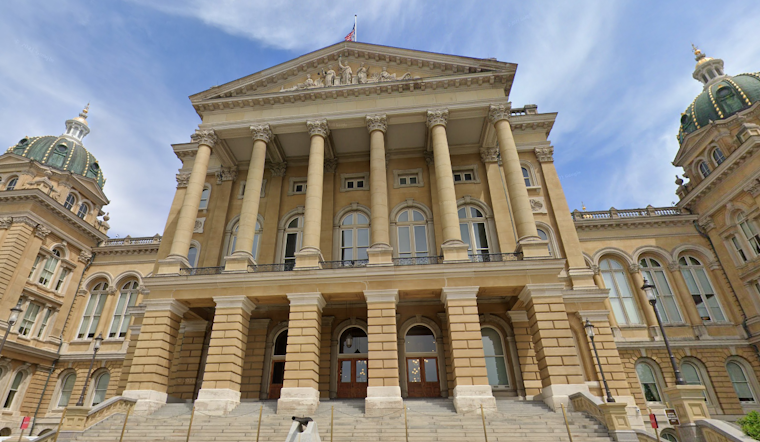
The Iowa caucuses, a staple in American politics which for over 50 years have served as the country's first major presidential nominating contest, are facing a series of significant changes this election season. These changes reflect broader shifts in political strategy and are reshaping how candidates approach their campaigns. In 1972, with just two folding tables and two phone lines, the unassuming beginnings of the Iowa caucuses were set in motion – hardly heralding the immense influence the state would come to wield in American political theater. "I did borrow a memory calculator to speed up the process," Richard Bender, a key player in creating the Iowa caucuses, told FOX 10 Phoenix, recalling the fledgling technology of that era.
The caucuses have since played a critical role in propelling underdog candidates toward the presidency, including Jimmy Carter in 1976 and Barack Obama in 2008. However, as reported by Associated Press, Iowa's traditional position is challenged with a reshuffled primary calendar for the 2024 race with both Biden and Trump leveraging party power to craft a more advantageous electoral landscape.
Historically, the selection of presidential nominees wasn't always a product of the electorate's will but was often determined by state and local party bosses behind closed doors. This changed after the tumultuous Democratic National Convention of 1968 in Chicago, leading to reforms designed to empower voters. These changes, necessitated by a revamped party convention schedule, inadvertently set the stage for Iowa to leapfrog New Hampshire in the electoral calendar. "We finagled a little bit," Bender said in an account documented by FOX 10 Phoenix, reflecting on Iowa's maneuver to secure its first-in-the-nation status.
The order of state voting has evolved once again for the 2024 campaign, with President Biden urging the Democratic National Committee to begin with South Carolina's more diverse electorate, while GOP candidates continue their focus on Iowa's traditional foundation of retail politics. Despite facing several GOP challengers and criminal indictments, former President Trump remains a predominant figure, as reported by FOX 10 Phoenix. Meanwhile, the hopefuls have keenly adopted Iowa's political customs, like Florida Governor Ron DeSantis visiting all 99 counties and Nikki Haley engaging voters at the state fair.





