

























































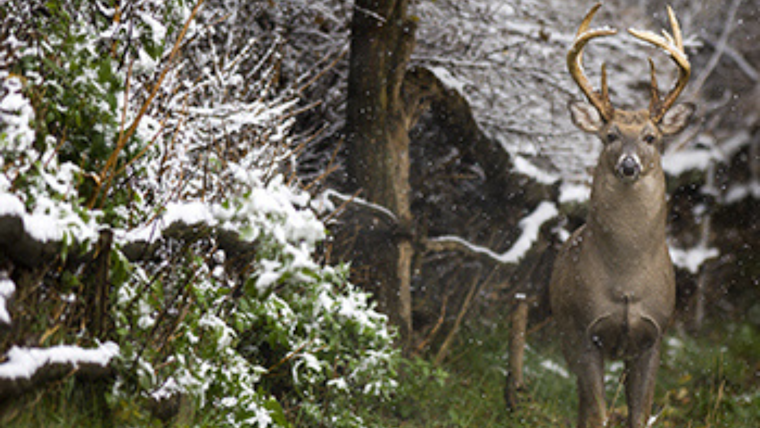
The Michigan Department of Natural Resources (DNR), alongside the Michigan Natural Resources Commission, is spearheading an initiative to address the growing challenge of deer management in the state. The initiative aims to combat the decline in harvested deer and dwindling hunter numbers, while also confronting diseases such as Bovine Tuberculosis and Chronic Wasting Disease that threaten wildlife and public health, according to FOX 2 Detroit.
The downturn in deer population management efforts is complicated by changing weather patterns, land access limitations, and the natural inclinations of an array of predators. As hunter participation has seen a substantial decrease in recent years, with figures dwindling by 250,000 over two decades, the state recorded around 550,000 hunters in 2022. Furthermore, the online harvest report indicated a decline of 20,000 fewer deer kills during the 2023 firearms season as compared to 2022's count.
In response, the DNR's Deer Management Initiative will recruit stakeholders from various sectors, including traditional hunting organizations, tribal entities, and independent parties sharing a vested interest in deer preservation. "We are looking forward to working with our traditional stakeholder organizations and partners, while also welcoming creative, new voices," DNR deer management specialist Chad Stewart stated. The goal is to build a collaborative effort that can generate sustainable solutions, as per the Michigan Department of Natural Resources.
Interested parties have until Jan. 31 to submit their applications to join this effort. Successful candidates will be notified following the deadline. The DNR is setting up two distinct working groups, targeting the unique challenges on each of Michigan’s peninsulas. Stewart mentioned, "Our focus with each group will be to pull together people with different perspectives and experiences but a common passion for improving Michigan's deer herd for future generations," as reported by the Michigan Department of Natural Resources. This collaborative strategy aims to revise the current management framework, shaping the future of Michigan's deer management to navigate the intricately interconnected challenges presently faced.





